1838–1920 · Romantic
Max Bruch
2 works
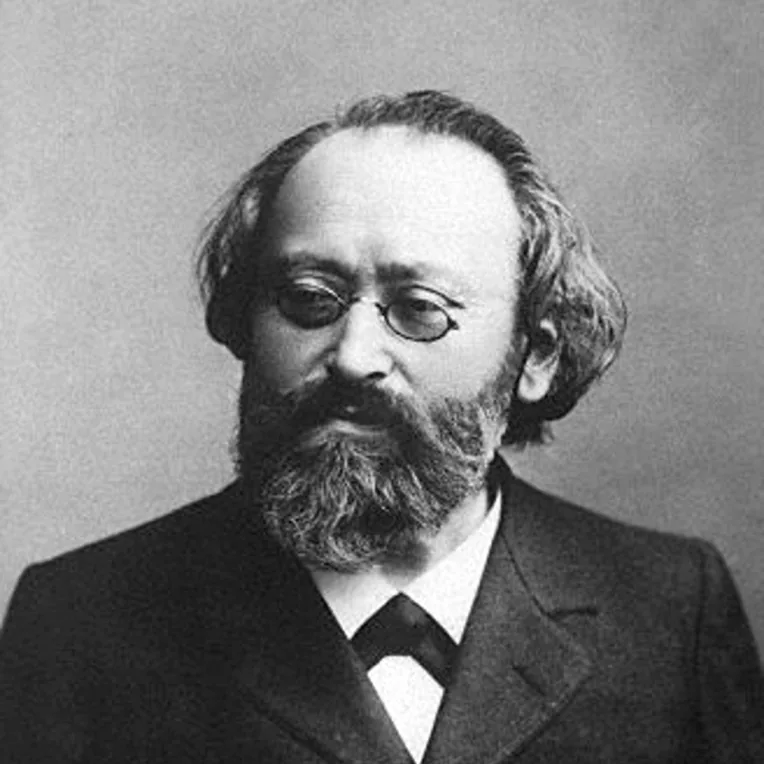
Bruch was born in Cologne and held posts in Mannheim, Koblenz, Sondershausen and Berlin before conducting the Liverpool Philharmonic Society from 1880 to 1883. He taught composition at the Berlin Hochschule from 1890 until 1910. He stayed with the Romantic tradition of Mendelssohn and Brahms, not the New German School of Liszt and Wagner, and was known mainly as a choral composer. His Violin Concerto No. 1 in G minor (1866) links its movements, a technique borrowed from Mendelssohn's violin concerto.
The Scottish Fantasy, Op. 46, was written in Berlin in the winter of 1879 to 1880. It is dedicated to Pablo de Sarasate, and Joseph Joachim advised on the solo part. Sources disagree about the first performance; one account gives Liverpool on 22 February 1881 with Joachim as soloist. Bruch had never been to Scotland, and he put in a harp because he thought violin and harp stood for Scottish folk music.
The Fantasy has four movements. A gloomy introduction, a "Celtic lament", leads into an Adagio cantabile on the tune Auld Rob Morris, which returns twice later. The Scherzo uses The Dusty Miller, with bass drones that hint at bagpipes. The Andante sostenuto is built on I'm Down for Lack of Johnnie, and the Allegro guerriero finale on Hey Tuttie Tatie, the tune of Scots Wha Hae. The piece is a free fantasy on these tunes, not a set of arrangements.
What to listen for
- The harp in the first movement, answering the solo violin in a duet-like exchange over a light accompaniment.
- Auld Rob Morris returning in later movements, so the opening tune frames the whole work.
- In the Scherzo, a sturdy dance tune over bass drones that sound like bagpipes.
- The finale, marked Allegro guerriero (warlike): a firm march-like tune, sterner than the Scherzo.
Sources: Max Bruch (Wikipedia), Scottish Fantasy (Wikipedia), Bruch: Scottish Fantasy, programme note (MusicWeb International)