1754–1812 · Classical
Franz Anton Hoffmeister
1 work
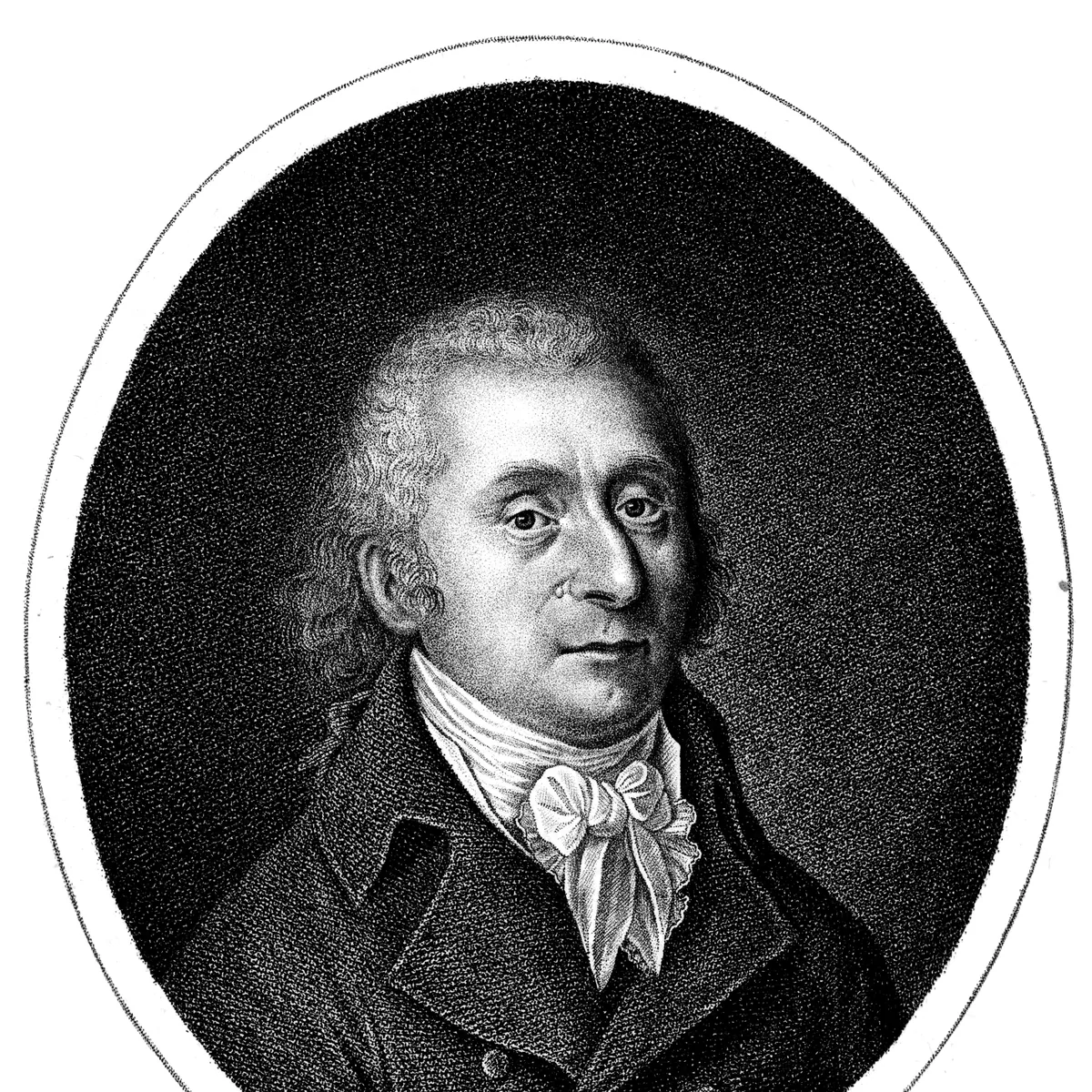
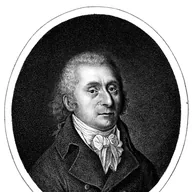
Hoffmeister was born in Rottenburg am Neckar, then an Austrian territory in south-west Germany, and went to Vienna at fourteen to study law before choosing music. By the 1780s he was a popular composer there, and by 1785 he had founded one of the city's first music publishing houses. He printed music by Haydn, Mozart and Beethoven, including the first edition of Beethoven's Pathétique Sonata, and Mozart dedicated a string quartet in D major to him. Around 1800 he set up a Bureau de Musique in Leipzig with the organist Ambrosius Kühnel, a firm later taken over by C. F. Peters, before returning to Vienna to concentrate on composing.
His output was large and practical: dozens of symphonies, string quartets, operas, serenades and a long list of works for the flute, including more than twenty-five flute concertos. The style is galant, meaning light, tuneful and clearly phrased, with touches of the empfindsam or 'sensitive' manner, which favours sudden expressive turns. A music dictionary of 1812 praised his expressive feeling, his skilful scoring and how well his music suits the players.
The Viola Concerto in D major was written some time between about 1780 and 1795 and printed in Vienna by Traeg in 1799. The solo viola is accompanied by two oboes, two horns and strings, and the three movements are an Allegro, an Adagio and a Rondo. Few concertos of the time were written for the viola, and this one has become a standard piece at orchestral auditions for violists. Its opening Allegro is in sonata form and leaves room for a cadenza by the soloist.
What to listen for
- The accompaniment is small, two oboes, two horns and strings, which leaves room for the viola's darker middle-range tone.
- Listen for trills and small ornaments at the ends of the viola's phrases, typical of the galant style.
- In some passages the soloist plays double stops, two strings at once, so the single line becomes two-part harmony.
- Near the end of the Allegro the orchestra falls silent for the cadenza, a solo passage that each violist chooses or writes.
Sources: Franz Anton Hoffmeister (Wikipedia), Franz Anton Hoffmeister (German Wikipedia), IMSLP: Viola Concerto in D major (Hoffmeister, Franz Anton), Ruangmanee: An analysis and interpretation of Viola Concerto in D major by Hoffmeister (Burapha University music journal), Escuela Superior de Música Reina Sofía: Gérard Caussé masterclass, Hoffmeister Viola Concerto I. Allegro