1823–1892 · Romantic
Édouard Lalo
1 work
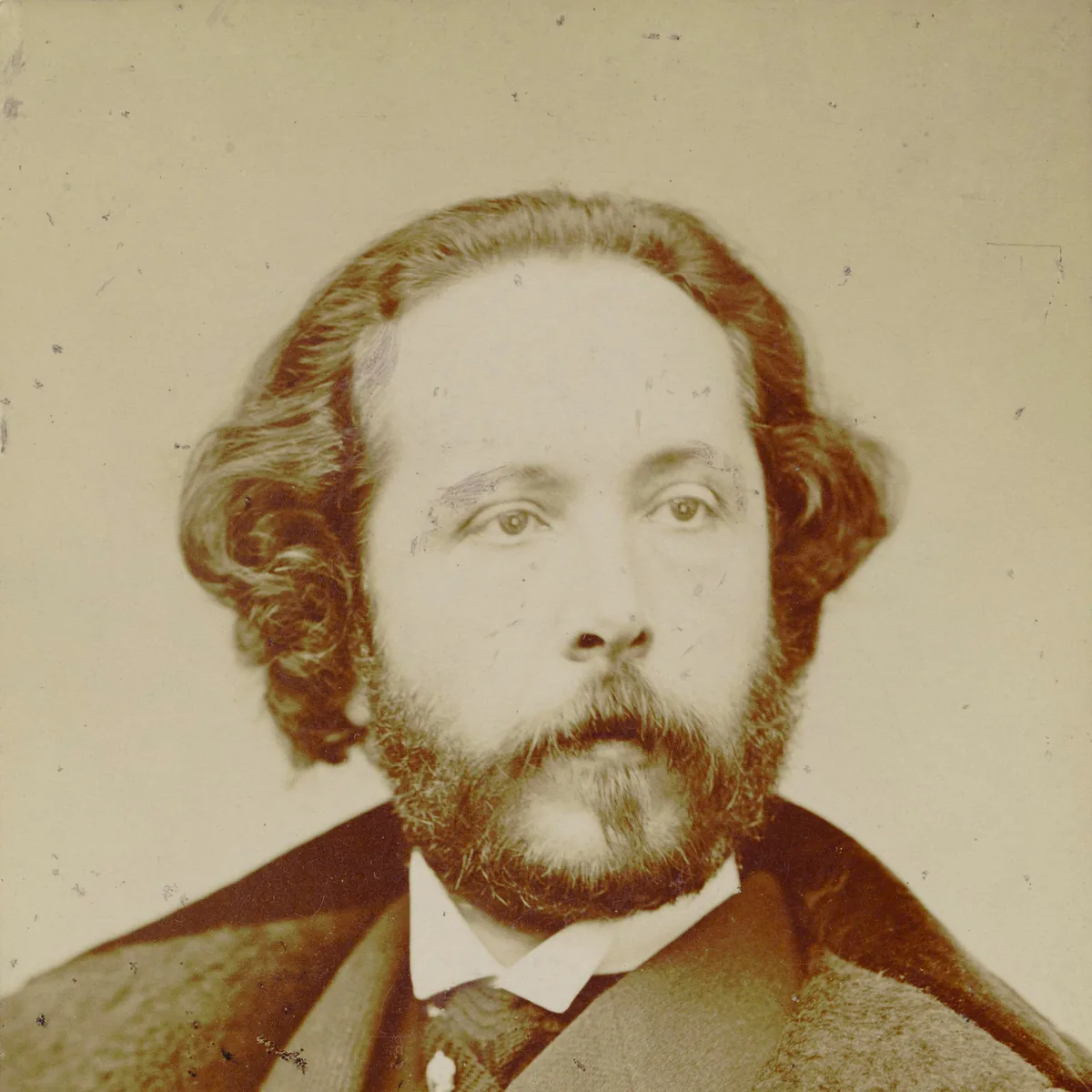
Lalo was born in Lille in 1823 and died in Paris in 1892. He entered the Paris Conservatoire at sixteen and in 1848 helped found the Armingaud Quartet, playing viola and later second violin. His wife, the contralto Julie Besnier de Maligny, encouraged his stage works, but his opera Le roi d'Ys was criticised as too progressive and Wagnerian and was not staged until 1888. After that he turned more to chamber and orchestral music. His music is known for strong melodies, colourful orchestration and a Germanic solidity.
The Symphonie espagnole in D minor, Op. 21, is his best-known work. He wrote it in 1874 for the violinist Pablo de Sarasate, and it was first performed in Paris on 7 February 1875. Despite the title it is a violin concerto in five movements: Allegro non troppo, Scherzando, Intermezzo, Andante and Rondo. Until the mid-twentieth century the Intermezzo was often left out, so performances had four movements.
Spanish motifs run through the whole piece, and it helped start a vogue for Spanish-themed music: Bizet's Carmen followed a month later. The orchestra includes piccolo, flutes, oboes, clarinets, bassoons, horns, trumpets, trombones, timpani, snare drum, triangle, harp and strings, and the work lasts a little over half an hour.
What to listen for
- A solo violin that leads throughout, as in a concerto rather than a symphony, with Spanish motifs in the music.
- The Intermezzo, the movement often left out in older performances: whether your recording includes it decides whether you hear four or five movements.
- The order of the movements: Allegro non troppo, Scherzando, Intermezzo, Andante, and a closing Rondo.
- Colourful orchestration behind the soloist, including snare drum, triangle and harp.
Sources: Édouard Lalo (Wikipedia), Symphonie espagnole (Wikipedia)