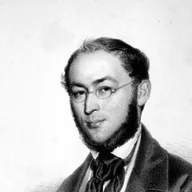
1819–1895 · Romantic
Franz von Suppé
1 work
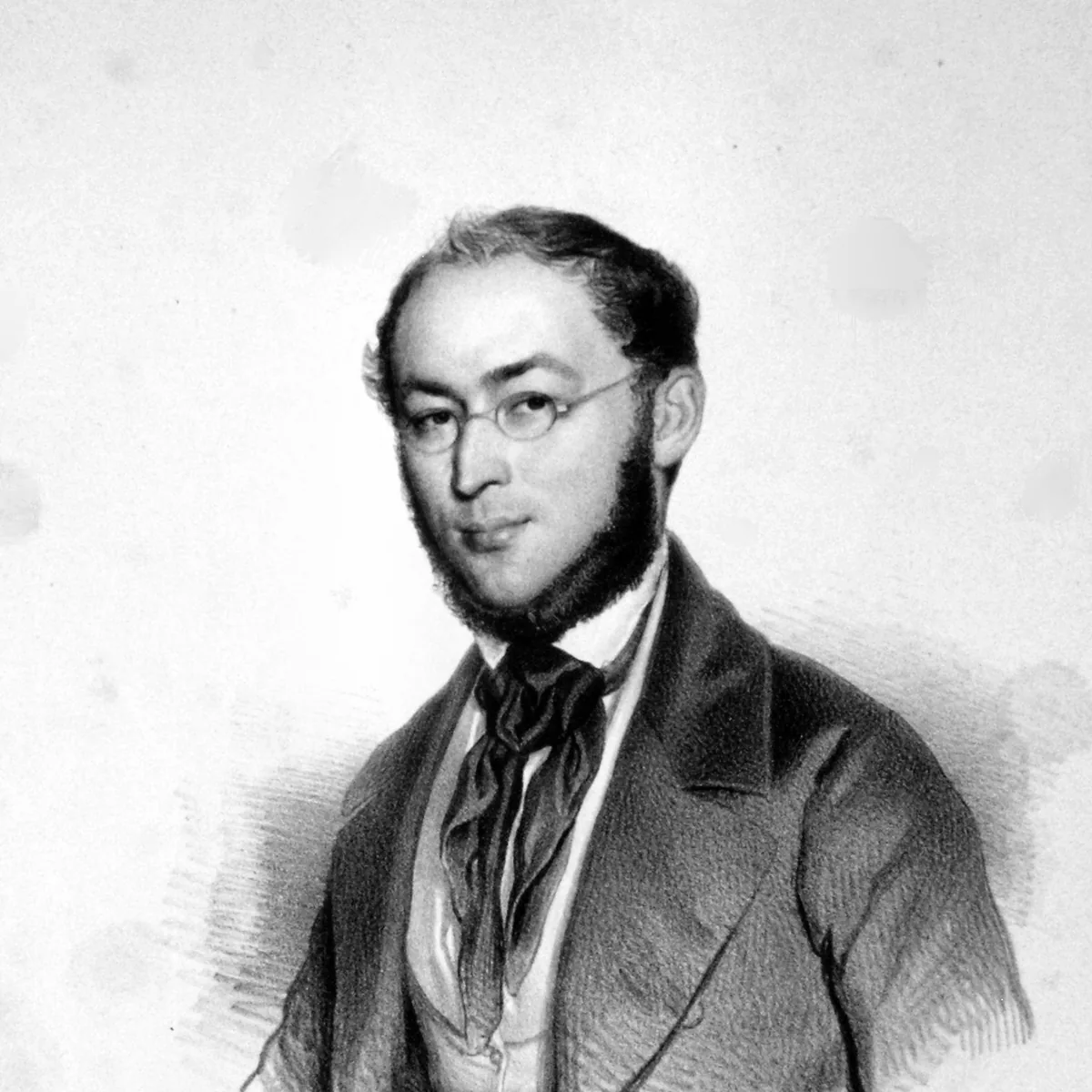
Suppé was born in Spalato (now Split) on the Dalmatian coast and moved to Vienna after his father died in 1835. From 1840 he worked as a composer and conductor in the Viennese theatres of Franz Pokorny. Early on he imitated Offenbach, and his Das Pensionat (1860) is often called the beginning of true Viennese operetta. Fatinitza, Boccaccio and Donna Juanita followed. A scholar of his music has described him as blending Italian opera buffa, French opéra-comique and German styles.
His overtures are the part of his output that survives in the concert hall. They remain popular in the concert hall and on record. As program notes describe Poet and Peasant, such an overture moves between expressive and animated passages and builds toward a spirited finale.
Poet and Peasant (Dichter und Bauer) dates from 1846. It was written for a stage piece by K. Elmar, produced at the Theater an der Wien in Vienna, in which a young peasant who is also a poet courts a girl whose guardian opposes the match; sources differ on whether it was written as an operetta or as incidental music to a play. Program notes describe the overture as opening with brass and then a noble, expressive cello solo with harp accompaniment, before a march-like theme and a waltz burst in.
What to listen for
- The slow opening: brass first, then a cello singing a noble, expressive melody over harp accompaniment.
- The change of mood: the reflective start gives way to an energetic march-like theme and dance.
- A waltz tune, typical of Viennese stage music, leading to the spirited close.
Sources: Franz von Suppé (Wikipedia), Program notes: Poet and Peasant Overture (Boston University Bands), The Poet and the Peasant Overture (windliterature.org)