Symphonie fantastique, Op. 14
This guide follows Berlioz’s Symphonie fantastique, Op. 14 (1830) in five parts: Reveries - Passions (sonata form), Un bal, Scene aux champs, Marche au supplice and Songe d'une nuit du sabbat (sonata form).
I Reveries - Passions · Sonata form · 16 sections
- IReveries - Passions
- IIUn bal
- IIIScene aux champs
- IV au supplice
- VSonge d'une nuit du sabbat
A slow, hazy shows the artist dreaming. At the , where the begins, the violins and flute announce the , the melody of the woman he loves. Berlioz asks for this section to be repeated, so that the tune settles in the ear. Then come the and the . The is marked Religiosamente (in a religious manner).
- : A
- : B
- : A′
- : C
- :
- (repeat)
- :
- : Part 1
- : Part 2
- : Part 3
- : Part 4
A at a brilliant party. This is the only with two harps, and they add glamour from the onward. The (A) grows out of the , transformed into a flowing dance. A contrasting section (B) follows and then the . Then the starts.
- A
- B
- A1
- : i
- ii
- iii
A in F major. Two shepherds call to each other in the : a cor anglais on stage and an oboe offstage. The (A) is given to flute and violins. Halfway through, the on oboe and flute over agitated strings and troubles the peace. At the end four timpani play distant thunder, and the music dies away into silence and loneliness.
- A
- B
- A1
- B1
- C
- A2
- D
A in G minor that swings between somber and fierce and brilliant and solemn. Berlioz reworked music from his abandoned opera Les Francs-juges for it. In the (the ), a clarinet briefly recalls the , like a last thought of love, and the fatal blow cuts it off. Four falling notes depict the head rolling, and the brass end the with a triumphant blare.
- A
- B
- A1
- B
- A2
- : i
- ii
- iii
The witches' sabbath opens with a slow, ominous of string tremolos. The on the high E-flat clarinet, twisted with trills into a mocking dance tune. Bells toll, and bassoons and tubas parody the , the old for the dead. The witches' round dance becomes a wild fugue, and finally the two tunes sound together, with the strings tapping the wood of their bows (col legno) like rattling bones. Then the begins.
- : i
- iii
- :
- 1
- 2
Section boundaries in music are not always sharp; a transition may be felt over a pause or a held chord.
More by Berlioz
See all →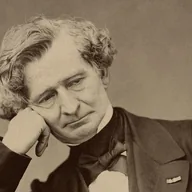
More in sonata form
See all → BachTrio Sonata No. 1 in E-flat major, BWV 525
 HaydnSymphony No. 1 in D major, Hob. I:1HaydnHorn Concerto in D major, Hob. VIId:3HaydnPiano Sonata in A-flat major, Hob. XVI:46HaydnPiano Sonata in C minor, Hob. XVI:20HaydnString Quartet in A major, Op. 20 No. 6HaydnString Quartet in C major, Op. 20 No. 2HaydnString Quartet in D major, Op. 20 No. 4HaydnString Quartet in E-flat major, Op. 20 No. 1HaydnString Quartet in F minor, Op. 20 No. 5
Reviews