1845–1924 · Late Romantic
Gabriel Fauré
9 works
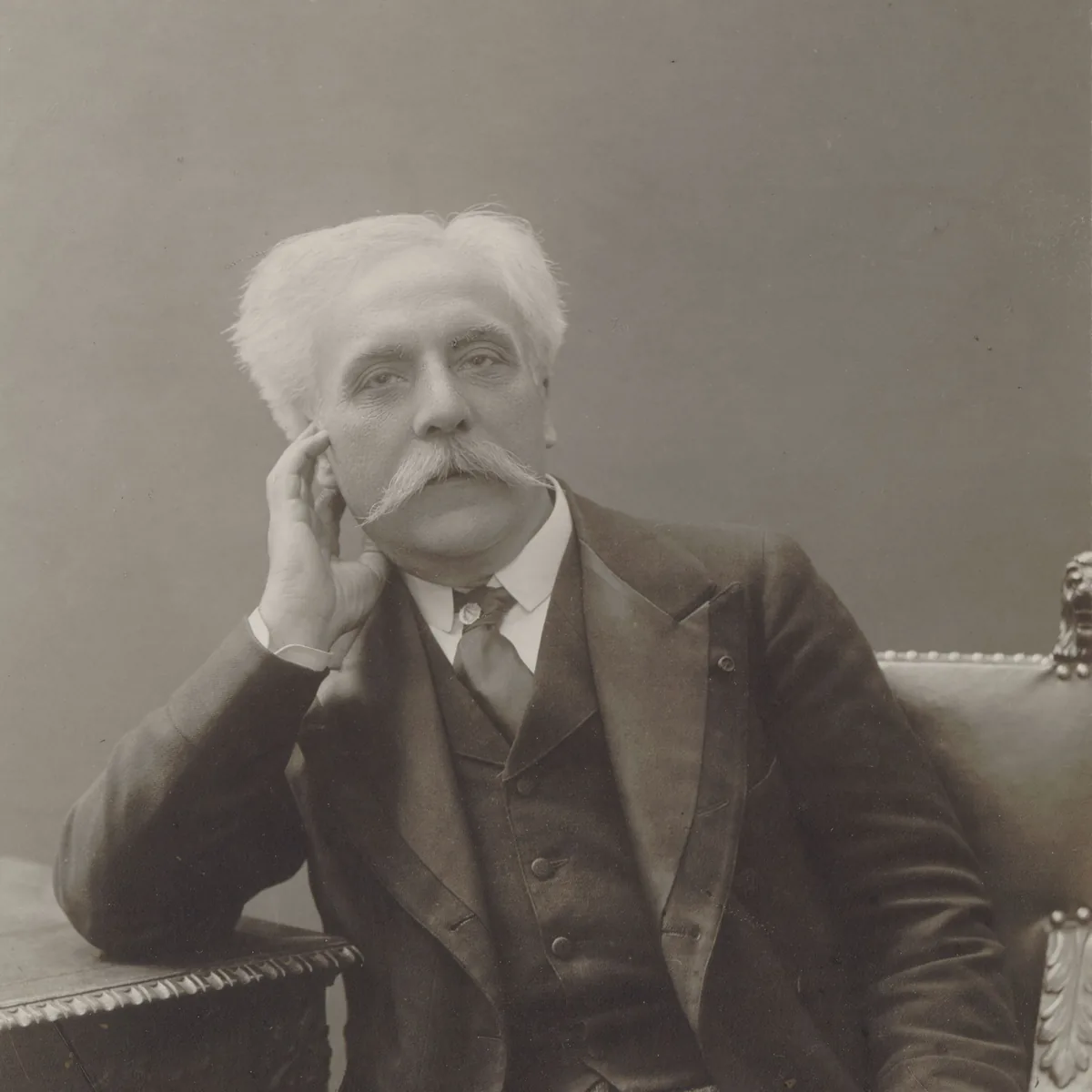
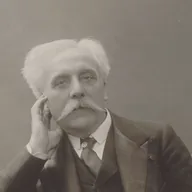
Fauré was born in Pamiers and entered the École Niedermeyer in Paris in 1854, where Saint-Saëns taught him. He was organist at the Madeleine and directed the Paris Conservatoire from 1905 until 1920. His hearing declined over the last twenty years of his life. He is known especially for songs and chamber music.
His mature style is harmonically and melodically complex, with mild discords left unresolved that anticipated Impressionism. He uses discreet syncopations, as Brahms does, and Copland called him "the Brahms of France". His orchestration is sober, with little interest in timbre for its own sake.
The Requiem, Op. 48 (1887 to 1890, final version 1900) has seven movements and leaves out the full Dies irae, setting only its Pie Jesu. Fauré described it as expressing "a very human feeling of faith in eternal rest", and he saw death as a happy deliverance. The first version, in five movements, was performed at the Madeleine on 16 January 1888. The Violin Sonata No. 1 was performed in January 1877 at the Société Nationale. The Dolly Suite is a piano duet written between 1894 and 1897 for Hélène "Dolly" Bardac, and the Sicilienne comes from the incidental music for Pelléas et Mélisande (1898). The Ballade in F-sharp also exists in an orchestral version.
What to listen for
- Gentle dissonances that are left hanging instead of resolving at once.
- Discreet syncopation in the accompaniment, which makes a calm line feel slightly off the beat.
- In the Requiem, calm movements with no full Dies irae, so the usual drama of a requiem is missing.
- Restrained orchestration in which the colour serves the melody.
Sources: Gabriel Fauré (Wikipedia), Requiem (Fauré) (Wikipedia)