1782–1837 · Early Romantic
John Field
3 works
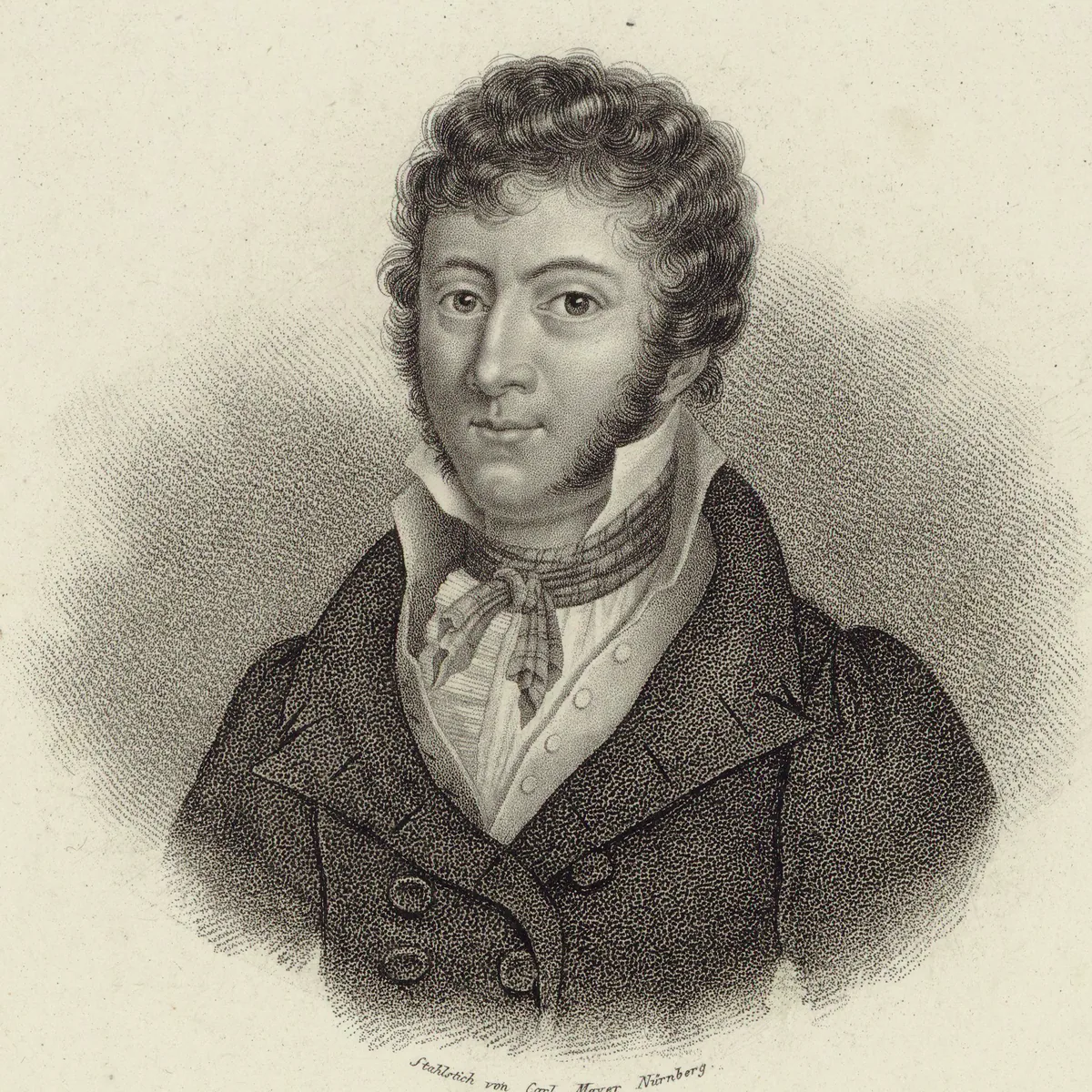
Field was born in Dublin, trained in London as an apprentice of Muzio Clementi, and settled in Russia from 1802, working as a concert pianist and teacher in Saint Petersburg and Moscow. He is credited with developing the nocturne as a piano genre: a character piece defined by atmosphere, with a cantabile melody over an arpeggiated accompaniment.
In his nocturnes a melody with chromatic ornamentation sits over a rich left-hand accompaniment, supported by careful pedalling, and he also uses ostinato patterns and pedal points. Contemporaries praised his singing tone, delicate nuance and legato, and the nocturnes favour intimate expression over display. Some have a vocal quality that earned them the description "Songs without Words".
The three nocturnes in the catalog come from the 18 numbered ones, which are ordered by Cecil Hopkinson's 1961 catalogue (the H numbers): No. 5 in B-flat major (H 37), No. 13 in D minor (H 59, subtitled "Song without Words") and No. 16 in F major (H 62, dated 1836). The first three nocturnes date from 1812. Chopin was strongly influenced by them, and Mendelssohn, Liszt, Schumann and Brahms were also affected. Glinka was among Field's pupils.
What to listen for
- A slow, singing right-hand tune, ornamented with small turns and chromatic touches.
- The left hand rocking in broken chords, with the pedal blending them into a soft background.
- A single reflective, improvised-sounding mood, with little drama.
- A comparison with Chopin: Field's nocturnes are plainer, while Chopin later gave them more structure and agitated middle sections.
Sources: John Field (composer) (Wikipedia), Nocturnes (Field) (Wikipedia), John Field (classical-music.com)