1887–1959 · Modern
Heitor Villa-Lobos
2 works
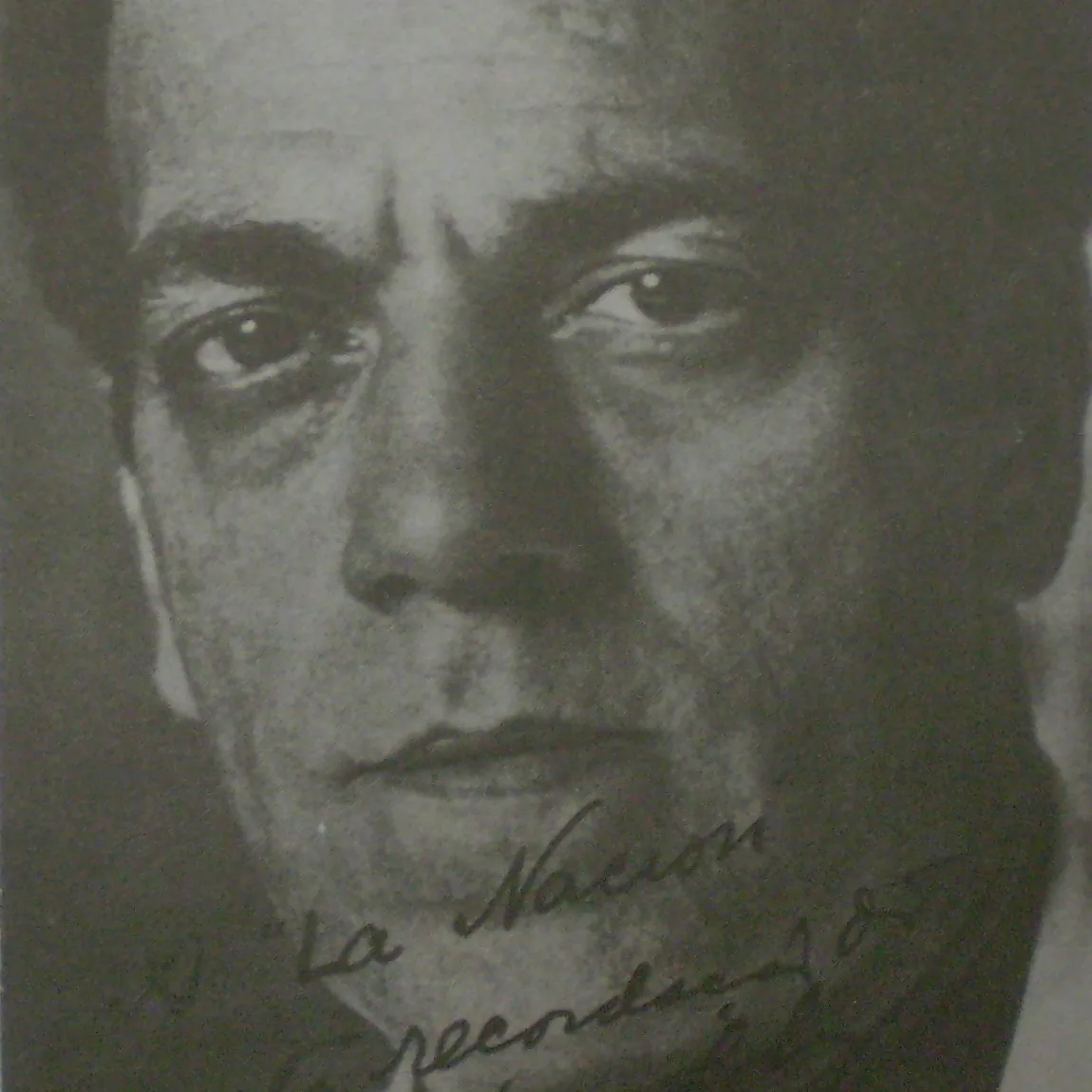
Villa-Lobos was born and died in Rio de Janeiro. His first compositions grew out of improvisations on the guitar, and he also played the cello and clarinet. After his father died in 1899 he played in cinema and theatre orchestras in Rio. He lived in Paris in 1923 and 1924 and again from 1927 to 1930, where he met Varèse, Picasso, Stokowski and Copland.
His music absorbs Brazil's indigenous, Portuguese and African traditions and the street musicians called chorões. The Chôros, more than a dozen works for varied forces, mostly written in the 1920s, were his name for a new form shaped by the composer's own personality; the later Bachianas Brasileiras (1930 to 1945) combine that spirit with admiration for Bach.
Chôros No. 1 (1920) is for solo guitar and dedicated to Ernesto Nazareth. It is the simplest and most traditional of the series, a rondo in the pattern ABACA, in E minor, lasting about four minutes. It begins with a four-measure introduction whose first gesture is three notes, each held under a fermata. Instead of mixing many styles, as later Chôros do, it uses the patterns and figures of improvising choro musicians such as Zequinha de Abreu and Chiquinha Gonzaga. Villa-Lobos said that the main theme and harmonies were his own invention but were shaped by the rhythmic habits of popular players like Ernesto Nazareth.
What to listen for
- The three-note opening gesture with a pause on each note, before the piece sets off.
- A theme that keeps coming back between contrasting episodes, the rondo plan ABACA.
- Simple patterns and figures of the kind improvised by choro players, which the guitar plays here without any mixing of other styles.
Sources: Heitor Villa-Lobos (Wikipedia), Chôros No. 1 (Wikipedia)