Path 15
Paris around 1900
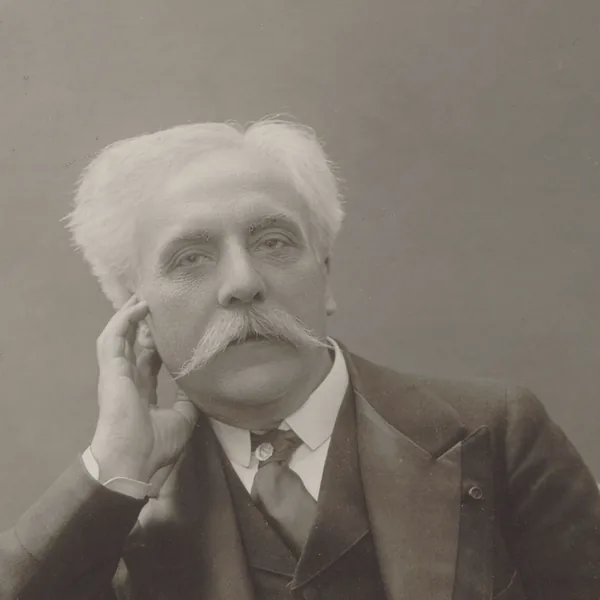
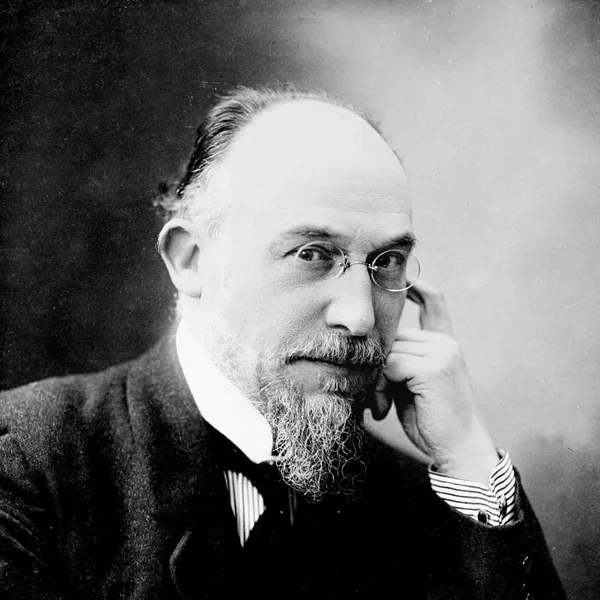
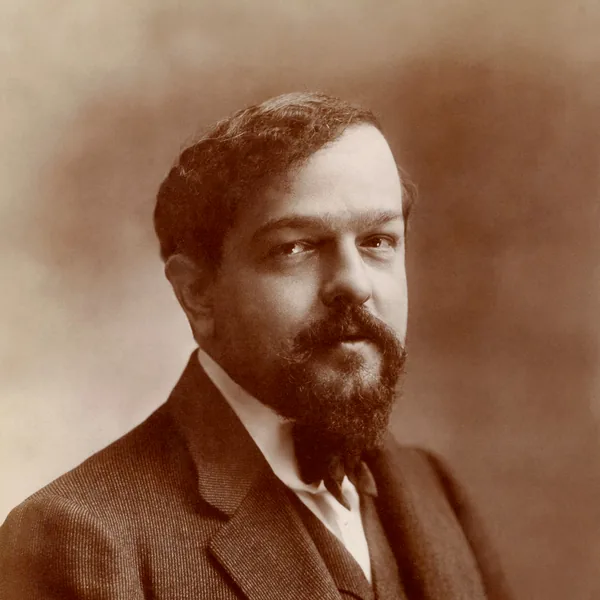
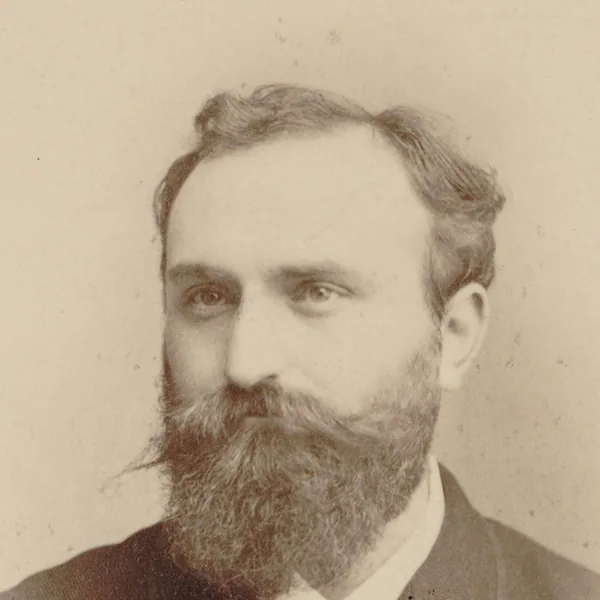
Fauré, Satie, Debussy, Chausson, Dukas and Ravel, from 1887 to 1920.
Fauré → Satie → Debussy → Chausson → Dukas → Ravel
This guide follows Dukas’s The Sorcerer’s Apprentice (1897) in one part (sonata form).
Premium
Follow all 13 sections as they play
A quiet, mysterious sets the scene. The then begins the story proper, and later the Apprentice arrives. The piles up energy, and then the first two themes sound together. The Sorcerer Call comes next, a -static follows, and broom- scatter. After the come the Water , a second Sorcerer Call and a in which the quiet opening .
Section boundaries in music are not always sharp; a transition may be felt over a pause or a held chord.
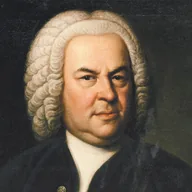 BachTrio Sonata No. 1 in E-flat major, BWV 525
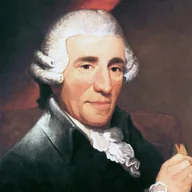 HaydnSymphony No. 1 in D major, Hob. I:1HaydnHorn Concerto in D major, Hob. VIId:3HaydnPiano Sonata in A-flat major, Hob. XVI:46HaydnPiano Sonata in C minor, Hob. XVI:20HaydnString Quartet in A major, Op. 20 No. 6HaydnString Quartet in C major, Op. 20 No. 2HaydnString Quartet in D major, Op. 20 No. 4HaydnString Quartet in E-flat major, Op. 20 No. 1HaydnString Quartet in F minor, Op. 20 No. 5
Path 15
Fauré, Satie, Debussy, Chausson, Dukas and Ravel, from 1887 to 1920.
Fauré → Satie → Debussy → Chausson → Dukas → Ravel
Reviews