Path 08
The concerto, 1721 to 1959
Soloist and orchestra across two and a half centuries, from Bach's harpsichord to Rostropovich's cello.
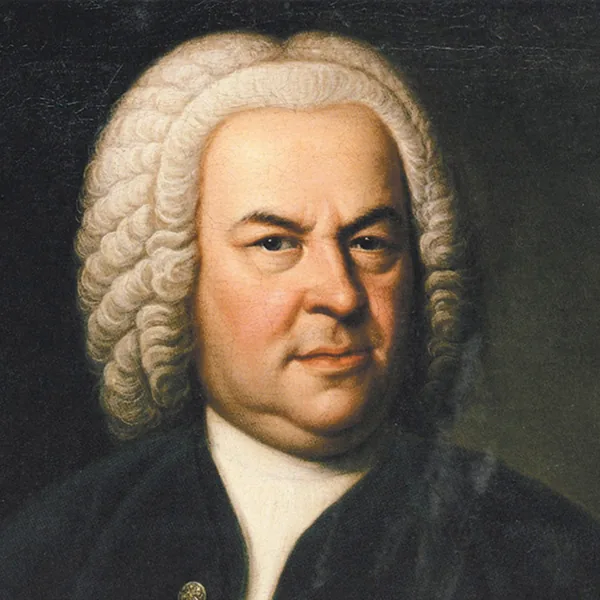
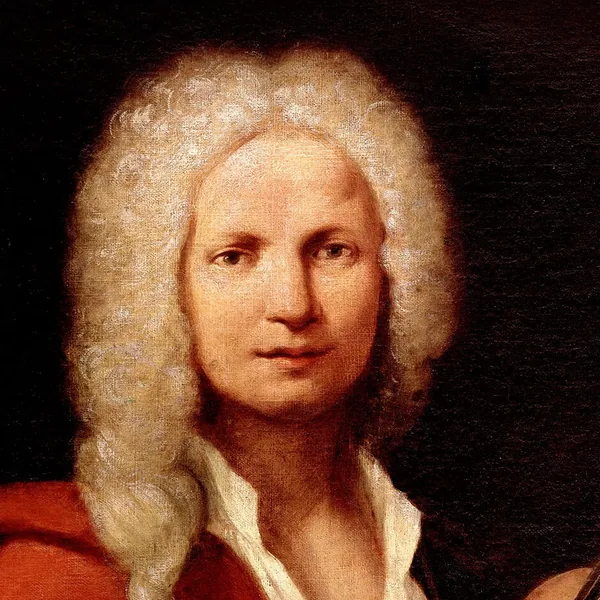
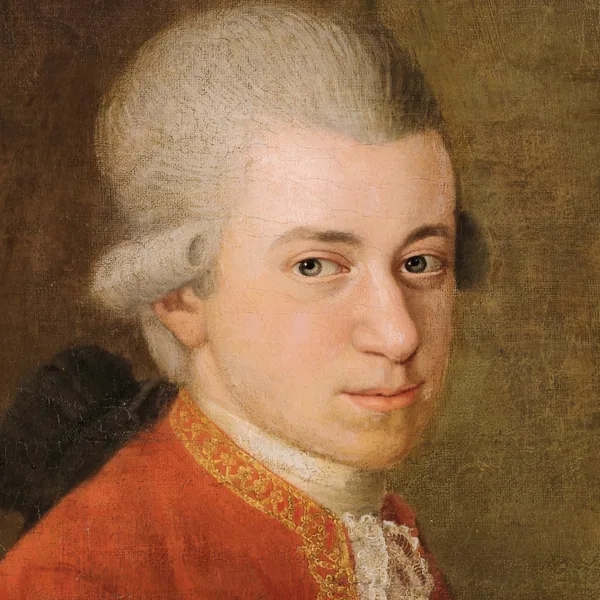
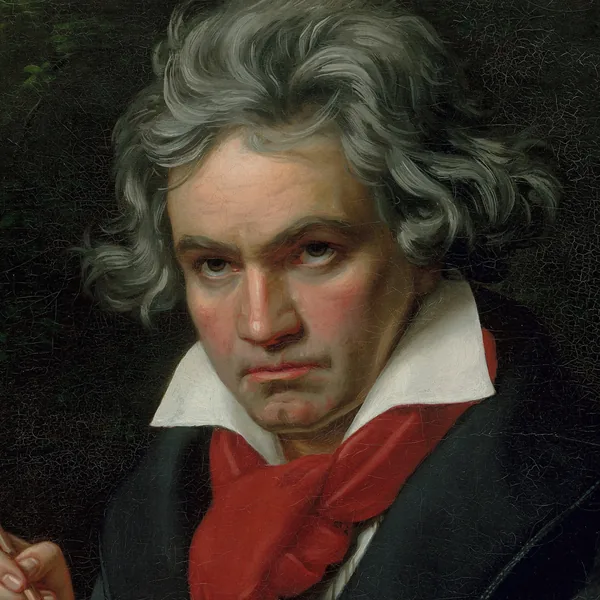
Bach → Vivaldi → Mozart → Beethoven → Mendelssohn → Tchaikovsky → Dvořák → Rachmaninoff → Ravel → Shostakovich
This guide follows Mozart’s Piano Concerto No. 20 in D minor, K. 466 (1785) in three parts: Allegro (sonata form), Romance and Allegro assai (sonata form).
I Allegro · Sonata form · 25 sections
The strings open quietly and restlessly, with off-beat accents and triplet upbeats: a mood more than a tune. The music swells to a full orchestra, and then the woodwinds present the ( 2). The piano enters with a new of its own (Piano 1), and its then arrives in F major. Then come the and the . A to the follows, after which a heightens the tension with timpani. The ends quietly.
The piano opens alone with the tender main melody ( A1) that gives the its name, . The tune as A2 and A3, with a gentler (B) before the first . The central (C) is in G minor and stormy, with a turbulent , orchestral fortissimo chords and virtuoso piano arpeggios in reply. A steers back to B-flat major. The closes the with a light rising arpeggio.
A fast that opens with the piano alone, rippling upward in D minor in a figure known as the Mannheim rocket (a quickly rising arpeggio). The orchestra answers furiously with the . Along the way come a dark, restless piano melody (in B1) and a cheerful F major tune from the orchestra. The as A2 and A3, and a (C) comes between them. After the , the turns fully sunny in D major.
Section boundaries in music are not always sharp; a transition may be felt over a pause or a held chord.
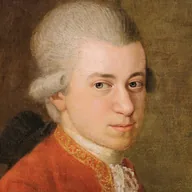 MozartViolin Concerto No. 1 in B-flat major, K. 207MozartBassoon Concerto in B-flat major, K. 191MozartViolin Concerto No. 3 in G major, K. 216MozartViolin Concerto No. 4 in D major, K. 218MozartViolin Concerto No. 5 in A major, K. 219MozartOboe Concerto in C major, K. 314MozartPiano Concerto No. 9 in E-flat major, K. 271MozartConcerto for Flute and Harp in C major, K. 299MozartFlute Concerto No. 1 in G major, K. 313MozartSinfonia concertante in E-flat major, K. 364
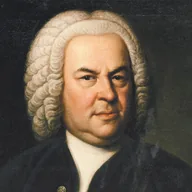 BachTrio Sonata No. 1 in E-flat major, BWV 525
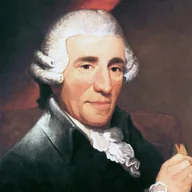 HaydnSymphony No. 1 in D major, Hob. I:1HaydnHorn Concerto in D major, Hob. VIId:3HaydnPiano Sonata in A-flat major, Hob. XVI:46HaydnPiano Sonata in C minor, Hob. XVI:20HaydnString Quartet in A major, Op. 20 No. 6HaydnString Quartet in C major, Op. 20 No. 2HaydnString Quartet in D major, Op. 20 No. 4HaydnString Quartet in E-flat major, Op. 20 No. 1HaydnString Quartet in F minor, Op. 20 No. 5
Path 08
Soloist and orchestra across two and a half centuries, from Bach's harpsichord to Rostropovich's cello.
Bach → Vivaldi → Mozart → Beethoven → Mendelssohn → Tchaikovsky → Dvořák → Rachmaninoff → Ravel → Shostakovich
Reviews