Grave
Langsam und ernst.
Quelle: Portal:Musik/Glossar (Wikipedia)
Wie schnell ist Grave?
Alle ansehen →- In 3 Aufnahmen hier: Viertelnote ≈ 74 bpm im Median, von 55 bis 132. Am langsamsten: Schottische Fantasie op. 46, Introduzione. Grave – Adagio cantabile (55 bpm). Am schnellsten: Sinfonie Nr. 1 d-Moll op. 13, Grave – Allegro ma non troppo (132 bpm).
Wo Sie es hören
- Beethoven: Klaviersonate Nr. 8 c-Moll op. 13, I. Grave – Allegro molto e con brio
- Beethoven: Streichquartett Nr. 16 F-Dur op. 135, IV. Der schwer gefasste Entschluss. Grave, ma non troppo tratto – Allegro
- Bartholdy: Orgelsonate Nr. 2 c-Moll op. 65 Nr. 2, I. Grave – Adagio
- Chopin: Klaviersonate Nr. 2 b-Moll op. 35, I. Grave – Doppio movimento
- Chopin: Fantaisie f-Moll op. 49
- Brahms: Streichquintett Nr. 1 F-Dur op. 88, II. Grave ed appassionato – Allegretto vivace
- Bruch: Schottische Fantasie op. 46, I. Introduzione. Grave – Adagio cantabile
- Debussy: Prélude I/1: Danseuses de Delphes L 117 Nr. 1
- Satie: 3 Gymnopédies, III. Gymnopédie Nr. 3: Lent et grave
- Rachmaninow: Sinfonie Nr. 1 d-Moll op. 13, I. Grave – Allegro ma non troppo
In Learn
Durchsuchen nach
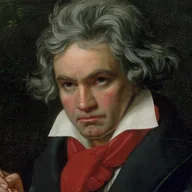 BeethovenKlaviersonate Nr. 8 c-Moll op. 13KostenlosBeethovenStreichquartett Nr. 16 F-Dur op. 135
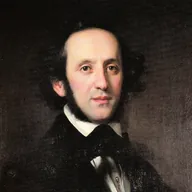 BartholdyOrgelsonate Nr. 2 c-Moll op. 65 Nr. 2
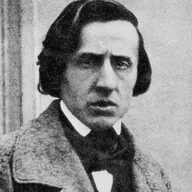 ChopinKlaviersonate Nr. 2 b-Moll op. 35ChopinFantaisie f-Moll op. 49
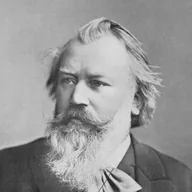 BrahmsStreichquintett Nr. 1 F-Dur op. 88
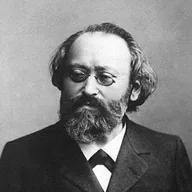 BruchSchottische Fantasie op. 46
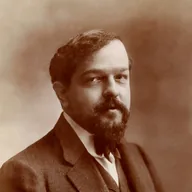 DebussyPrélude I/1: Danseuses de Delphes L 117 Nr. 1
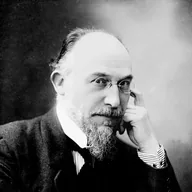 Satie3 Gymnopédies
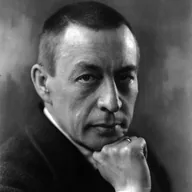 RachmaninowSinfonie Nr. 1 d-Moll op. 13