Path 01
Start here
Ten well-known works to learn the map on, each open in full to everyone.
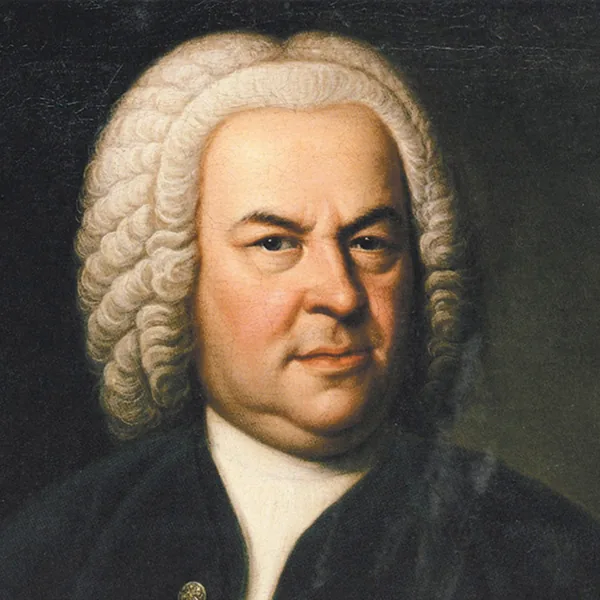
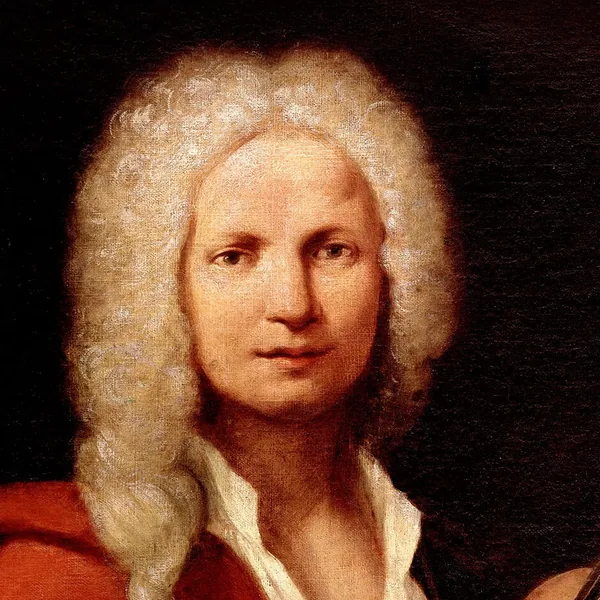
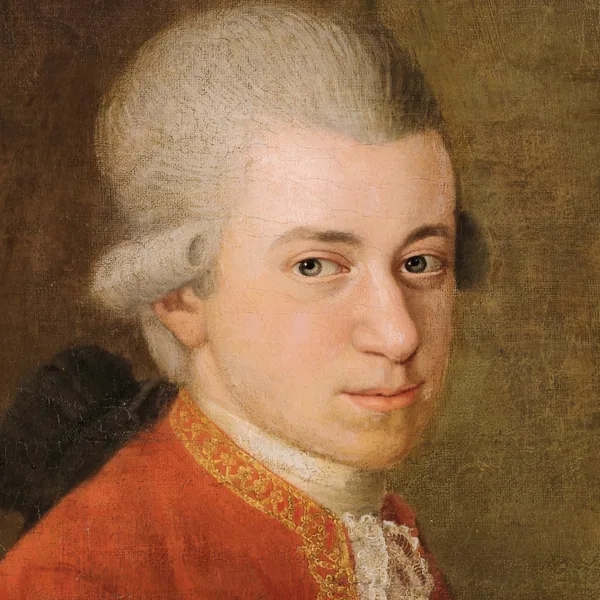
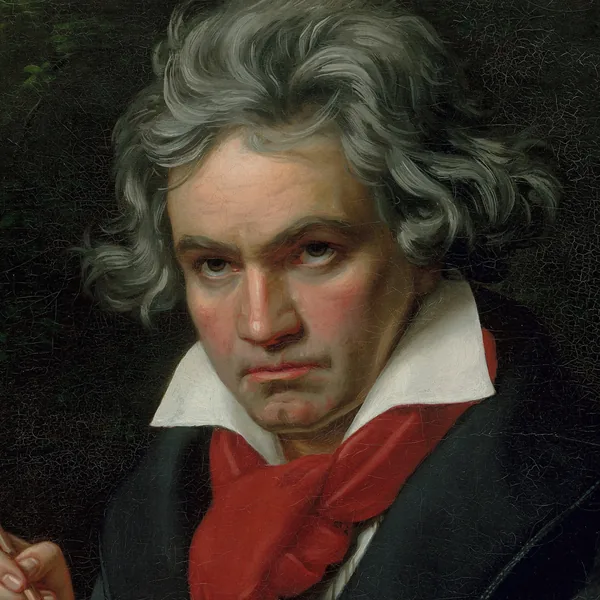
Pachelbel → Bach → Vivaldi → Mozart → Beethoven → Schubert → Chopin → Dvořák → Debussy
This guide follows Beethoven’s Bagatelle in A minor, WoO 59 “Für Elise” (1810) in one part.
Premium
Follow all 5 sections as they play
The (A) opens the piece with that quiet rocking figure and comes back after each . The first (B) moves to the brighter of F major and ends with quick running notes. The second (C) stays in A minor over a long held bass note and finishes with a firm . Just before the last the music stops completely, for the only in the piece. A rising arpeggio (broken chord) and a long falling scale then lead back to the tune.
Section boundaries in music are not always sharp; a transition may be felt over a pause or a held chord.
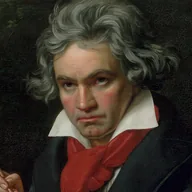 BeethovenRondo in A major, WoO 49BeethovenRondo a capriccio in G major, Op. 129Beethoven32 Variations in C minor on an Original Theme, WoO 80BeethovenSix Bagatelles, Op. 126BeethovenPiano Concerto No. 2 in B-flat major, Op. 19BeethovenPiano Concerto No. 1 in C major, Op. 15BeethovenPiano Sonata No. 1 in F minor, Op. 2 No. 1BeethovenPiano Sonata No. 2 in A major, Op. 2 No. 2BeethovenPiano Sonata No. 3 in C major, Op. 2 No. 3BeethovenCello Sonata No. 1 in F major, Op. 5 No. 1
Path 01
Ten well-known works to learn the map on, each open in full to everyone.
Pachelbel → Bach → Vivaldi → Mozart → Beethoven → Schubert → Chopin → Dvořák → Debussy
Reviews