Path 11
Variations and fugue
Two ways of making much from little: a theme changed again and again, and a subject passed from voice to voice.
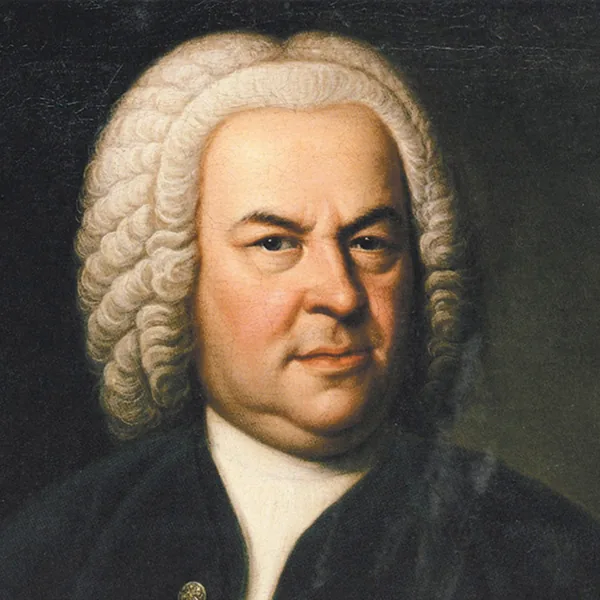
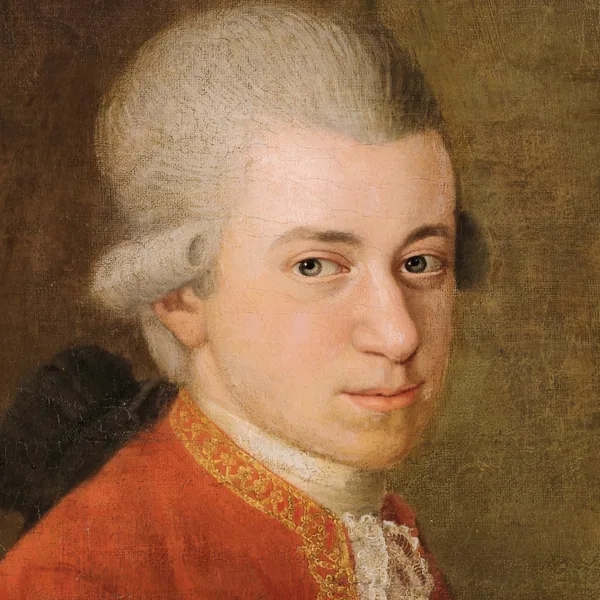
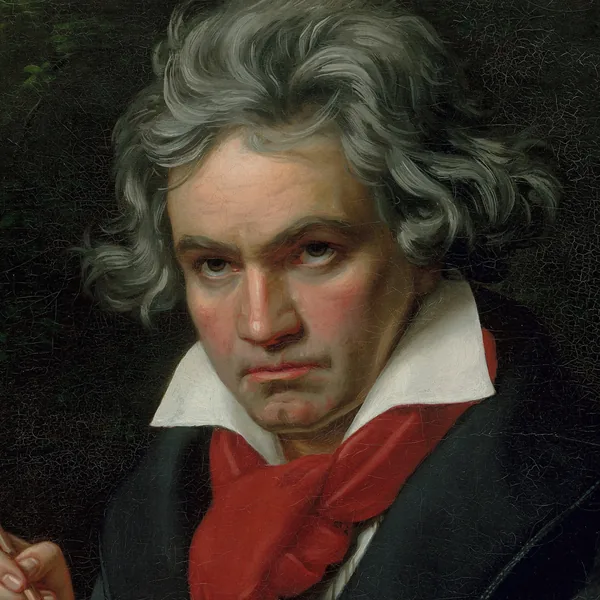
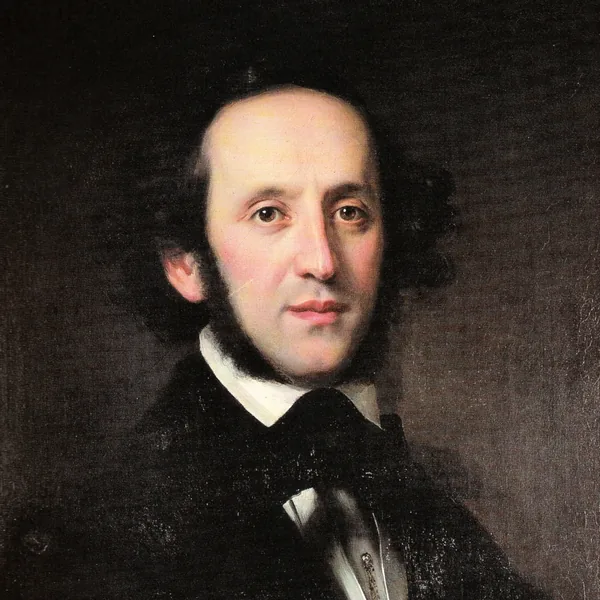
Bach → Mozart → Beethoven → Mendelssohn → Brahms → Elgar
This guide follows Beethoven’s 32 Variations in C minor on an Original Theme, WoO 80 (1806) in one part (theme and variations).
Premium
Follow all 34 sections as they play
The is a serious in C minor: eight over a falling bass. Every then takes eight , so a new one begins every eight , and you can follow the bass while the surface changes. Variations 12 to 16 shift to C major, and 17 is back in C minor. The last leads into the , which ends with cascading C minor octaves and a hushed .
Section boundaries in music are not always sharp; a transition may be felt over a pause or a held chord.
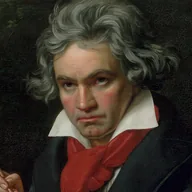 BeethovenRondo in A major, WoO 49BeethovenRondo a capriccio in G major, Op. 129BeethovenBagatelle in A minor, WoO 59BeethovenSix Bagatelles, Op. 126BeethovenPiano Concerto No. 2 in B-flat major, Op. 19BeethovenPiano Concerto No. 1 in C major, Op. 15BeethovenPiano Sonata No. 1 in F minor, Op. 2 No. 1BeethovenPiano Sonata No. 2 in A major, Op. 2 No. 2BeethovenPiano Sonata No. 3 in C major, Op. 2 No. 3BeethovenCello Sonata No. 1 in F major, Op. 5 No. 1
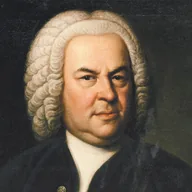 BachPassacaglia and Fugue in C minor, BWV 582Free
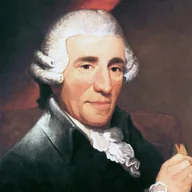 HaydnString Quartet in D major, Op. 20 No. 4HaydnString Quartet in E-flat major, Op. 33 No. 2HaydnString Quartet in G major, Op. 33 No. 5HaydnSymphony No. 81 in G major, Hob. I:81HaydnSymphony No. 82 in C major, Hob. I:82HaydnSymphony No. 88 in G major, Hob. I:88HaydnPiano Sonata in C major, Hob. XVI:48HaydnPiano Sonata in E-flat major, Hob. XVI:49HaydnSymphony No. 94 in G major, Hob. I:94
Path 11
Two ways of making much from little: a theme changed again and again, and a subject passed from voice to voice.
Bach → Mozart → Beethoven → Mendelssohn → Brahms → Elgar
Reviews