Path 05
Understanding sonata form
The form behind most first movements, heard twelve times, from a small sonata to a symphony.
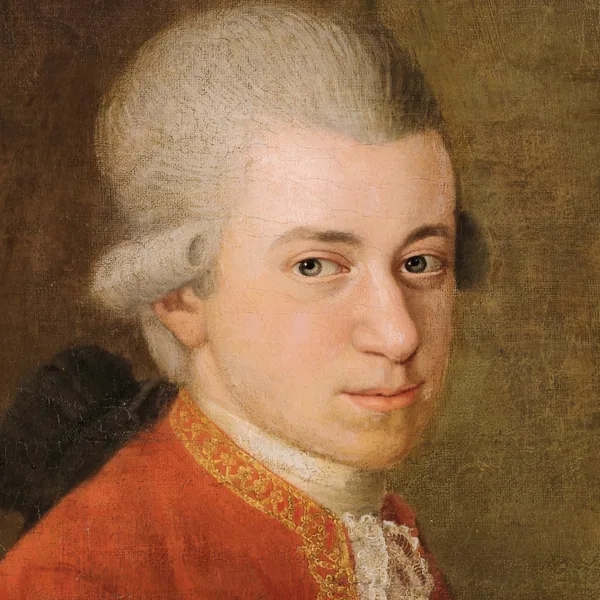
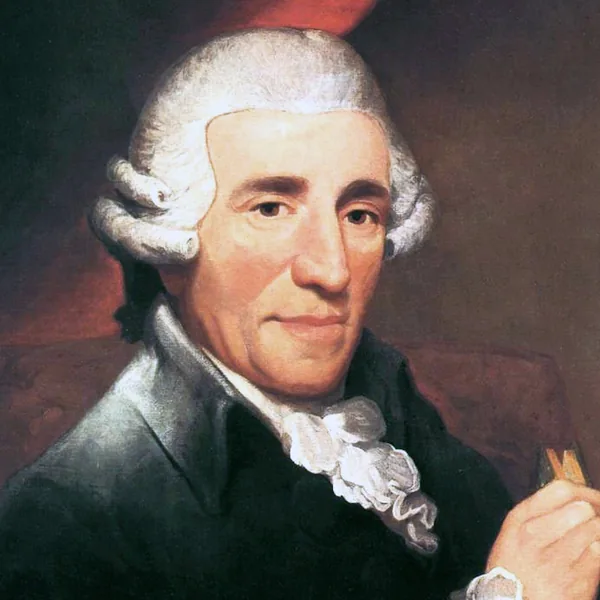
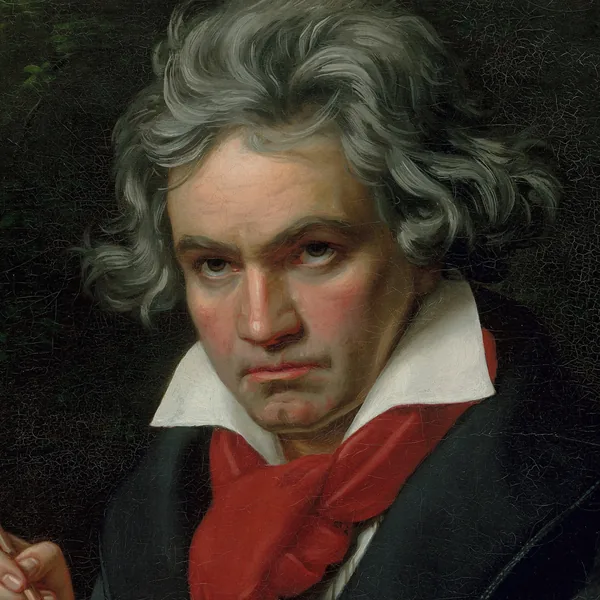
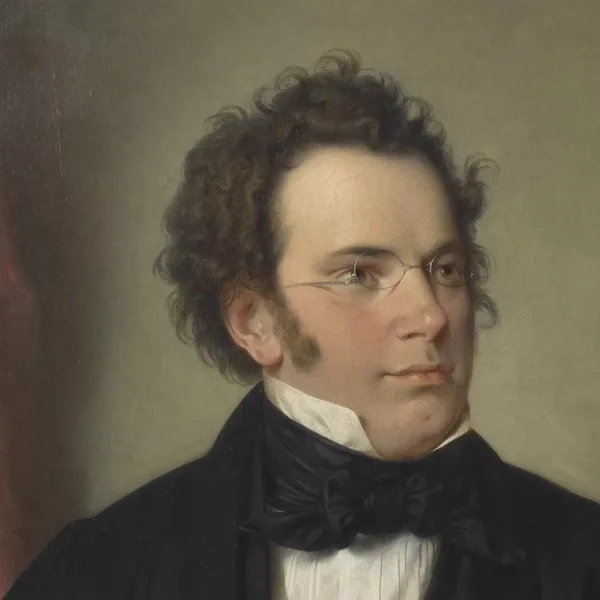
Mozart → Haydn → Beethoven → Schubert → Mendelssohn → Brahms → Prokofiev
This guide follows Beethoven’s Piano Sonata No. 8 in C minor, Op. 13 “Pathétique” (1798) in three parts: Grave - Allegro molto e con brio (sonata form), Adagio cantabile (rondo) and Rondo: Allegro (rondo).
I Grave - Allegro molto e con brio · Sonata form · 20 sections
A slow, heavy opens in C minor, with sudden extremes of loud and soft and a sighing . The fast begins with the first , a rising staccato over octaves (rapid repeated notes) in the left hand. The is in E-flat minor rather than the expected major, as a call and response between bass and treble. The at the start of the , before the proper, then the starts, and the comes back a third in the before a furious ending.
A-flat major, 2/4. The melody (A) is a lyrical song that three times in the same , so the is a simple . After the first (B), which turns to F minor and then E-flat major, the melody . The second (C) brings sixteenth-note triplets and a darker minor- , and the final takes on those triplets in the accompaniment. A short ends the .
A in C minor and . The (A) is closely related to the first 's , sharing its first four notes in melodic shape. It three times, with episodes in between in E-flat, A-flat and C major, and a modified version of the 's melody is heard as well. Frequent sforzando accents give the a forceful edge, and the ends the .
Section boundaries in music are not always sharp; a transition may be felt over a pause or a held chord.
 BeethovenPiano Sonata No. 1 in F minor, Op. 2 No. 1BeethovenPiano Sonata No. 2 in A major, Op. 2 No. 2BeethovenPiano Sonata No. 3 in C major, Op. 2 No. 3BeethovenPiano Sonata No. 20 in G major, Op. 49 No. 2BeethovenPiano Sonata No. 4 in E-flat major, Op. 7BeethovenPiano Sonata No. 19 in G minor, Op. 49 No. 1BeethovenPiano Sonata No. 5 in C minor, Op. 10 No. 1BeethovenPiano Sonata No. 6 in F major, Op. 10 No. 2BeethovenPiano Sonata No. 7 in D major, Op. 10 No. 3BeethovenPiano Sonata No. 9 in E major, Op. 14 No. 1
 BachTrio Sonata No. 1 in E-flat major, BWV 525
 HaydnSymphony No. 1 in D major, Hob. I:1HaydnHorn Concerto in D major, Hob. VIId:3HaydnPiano Sonata in A-flat major, Hob. XVI:46HaydnPiano Sonata in C minor, Hob. XVI:20HaydnString Quartet in A major, Op. 20 No. 6HaydnString Quartet in C major, Op. 20 No. 2HaydnString Quartet in D major, Op. 20 No. 4HaydnString Quartet in E-flat major, Op. 20 No. 1HaydnString Quartet in F minor, Op. 20 No. 5
Path 05
The form behind most first movements, heard twelve times, from a small sonata to a symphony.
Mozart → Haydn → Beethoven → Schubert → Mendelssohn → Brahms → Prokofiev
Path 20
Twelve piano sonatas from Mozart and Haydn to Prokofiev's war sonata of 1942.
Mozart → Haydn → Beethoven → Schubert → Chopin → Liszt → Berg → Bartók → Prokofiev
Reviews