Path 01
Start here
Ten well-known works to learn the map on, each open in full to everyone.
Pachelbel → Bach → Vivaldi → Mozart → Beethoven → Schubert → Chopin → Dvořák → Debussy
Listening paths · Path 20
Twelve piano sonatas from Mozart and Haydn to Prokofiev's war sonata of 1942.
A piano sonata is a work in several movements for the instrument alone, and for a century and a half it was where composers tested their ideas at the keyboard. Haydn and Mozart fixed the plan, usually three movements with sonata form in the first; Beethoven stretched it, reordered it and filled it with drama; Schubert gave it time, and Chopin and Liszt bent it into new shapes. In the twentieth century Berg, Bartók and Prokofiev kept the frame and changed almost everything inside it.
 MozartPiano Sonata No. 11 in A major, K. 331
A useful start, because it breaks the rule: none of its movements is in sonata form. Instead come a theme with six variations, a minuet and trio, and the “Alla turca” rondo.
 HaydnPiano Sonata in E-flat major, Hob. XVI:52
The Classical sonata at full size: three movements, the outer two in sonata form, the first with a Development unusually wide in harmony for Haydn. Between them sits an Adagio in E major, a long way from the home key of E-flat.
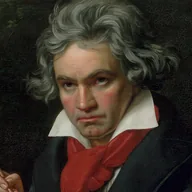 BeethovenPiano Sonata No. 8 in C minor, Op. 13
The sonata that helped make Beethoven’s name as a composer, not only as a pianist. Its movements are tied together: the finale’s rondo theme shares the outline of the first movement’s 2nd Subject, and the Adagio’s melody returns in altered form in the finale.
BeethovenPiano Sonata No. 14 in C-sharp minor, Op. 27 No. 2Beethoven called it “quasi una fantasia” and turned the usual order round: it opens with a slow movement, quiet throughout, and places the weight on the stormy sonata-form finale.
BeethovenPiano Sonata No. 23 in F minor, Op. 57Beethoven at his most violent. The first movement’s Development ends unresolved, the slow variations break off on a diminished seventh chord, and the finale follows without a pause, to a Coda marked Presto.
BeethovenPiano Sonata No. 32 in C minor, Op. 111His last sonata has only two movements: a stormy C minor sonata form with a slow introduction, then variations on a simple song, the Arietta, which divide the beat ever smaller and close in C major.
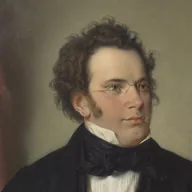 SchubertPiano Sonata No. 21 in B-flat major, D. 960
Finished about two months before Schubert died. The broad first movement has three key areas in its exposition, not the Classical two, and a low trill that returns to prepare the Recapitulation.
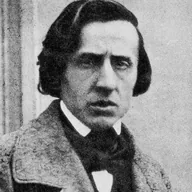 ChopinPiano Sonata No. 2 in B-flat minor, Op. 35
Schumann doubted that Chopin could handle sonata form, and the first movement does bend it: the Recapitulation skips the 1st Subject and goes straight to the lyrical 2nd Subject. A scherzo, the Funeral March and a whispered finale follow.
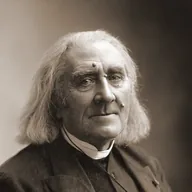 LisztPiano Sonata in B minor, S. 178
About half an hour without a break: one sonata form that can also be heard as four movements folded into one. The exposition grows from three short motives heard at the start, and the slow Andante sostenuto sits inside the Development.
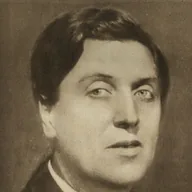 BergPiano Sonata, Op. 1
Berg planned more movements but published this one alone, and it is a complete sonata form: exposition, Development, Recapitulation. The Development builds to a climax marked ffff, and B minor is confirmed only in the last bars.
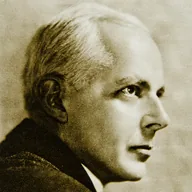 BartókPiano Sonata, Sz. 80 / BB 88
The piano treated as a percussion instrument: hammered notes, clusters, changing metres and short folk-like tunes. The plan is still Classical – a first movement in sonata form, a slow middle movement, a fast rondo-like finale.
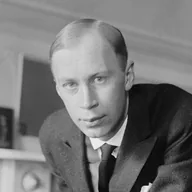 ProkofievPiano Sonata No. 7 in B-flat major, Op. 83
A war sonata, first played by Richter in 1943. The first movement’s Recapitulation brings back only the second theme group, and the finale drives along in seven beats to the bar, in B-flat major from its first chord.
Path 01
Ten well-known works to learn the map on, each open in full to everyone.
Pachelbel → Bach → Vivaldi → Mozart → Beethoven → Schubert → Chopin → Dvořák → Debussy
Path 02
Twelve symphonies from Mozart's Fortieth to Shostakovich's Fifth, the core of the concert repertoire.
Mozart → Haydn → Beethoven → Schubert → Berlioz → Mendelssohn → Brahms → Mahler → Tchaikovsky → Dvořák → Shostakovich
Path 03
Twelve slow, quiet pieces, from Chopin's lullaby to Pärt's Fratres.
Chopin → Liszt → Wagner → Debussy → Massenet → Fauré → Grainger → Delius → Williams → Rachmaninoff → Pärt
Path 04
Ground bass, ritornello, fugue and dance: the Baroque in twelve works, from Purcell to Bach's Musical Offering.
Purcell → Pachelbel → Bach → Vivaldi → Handel → Scarlatti
Path 05
The form behind most first movements, heard twelve times, from a small sonata to a symphony.
Mozart → Haydn → Beethoven → Schubert → Mendelssohn → Brahms → Prokofiev
Path 06
Haydn's two London visits, 1791–95: six of the symphonies he wrote there, three piano sonatas, and what he took home to Vienna.
Haydn
Path 07
Short, complete works for a single sitting.
Bach → Mozart → Haydn → Beethoven → Schubert → Mendelssohn → Saint-Saëns → Sibelius → Ravel → Debussy → Gershwin → Copland
Path 08
Four players across almost two centuries: Haydn shapes the conversation, Bartók breaks it open, Shostakovich turns it inward.
Haydn → Mozart → Schubert → Beethoven → Dvořák → Debussy → Reger → Bartók → Shostakovich
Path 09
One work for each kind in the catalog, from the symphony to choral music.
Beethoven → Vivaldi → Debussy → Holst → Dvořák → Mozart → Chopin → Scarlatti → Bach → Schubert → Strauss → Handel
Path 10
From the First of 1800 to the Choral of 1824, in the order Beethoven wrote them.
Beethoven
Path 11
Soloist and orchestra across two and a half centuries, from Bach's harpsichord to Rostropovich's cello.
Bach → Vivaldi → Mozart → Beethoven → Mendelssohn → Tchaikovsky → Dvořák → Rachmaninoff → Ravel → Shostakovich
Path 12
Eleven short pieces from Field to Grieg, each holding one mood.
Field → Schubert → Mendelssohn → Chopin → Schumann → Liszt → Tchaikovsky → Rachmaninoff → Brahms → Grieg
Path 13
A poem, a voice and a piano, later an orchestra: from Schubert's first masterpieces to Strauss's last songs.
Schubert → Schumann → Wagner → Mahler → Debussy → Fauré → Strauss
Path 14
Two ways of making much from little: a theme changed again and again, and a subject passed from voice to voice.
Bach → Mozart → Haydn → Beethoven → Mendelssohn → Brahms → Elgar
Path 15
Fauré, Satie, Debussy, Chausson, Dukas and Ravel, from 1887 to 1920.
Fauré → Satie → Debussy → Chausson → Dukas → Ravel
Path 16
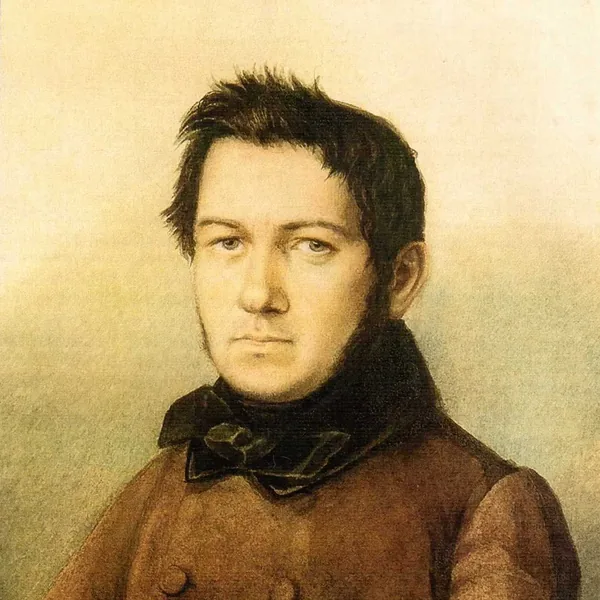
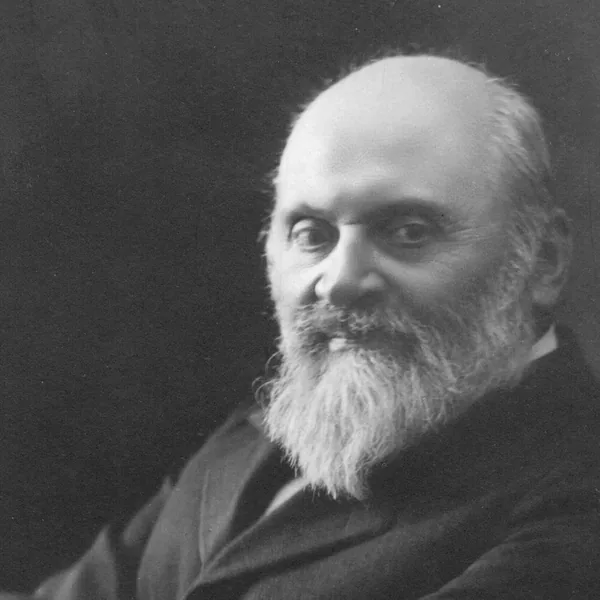
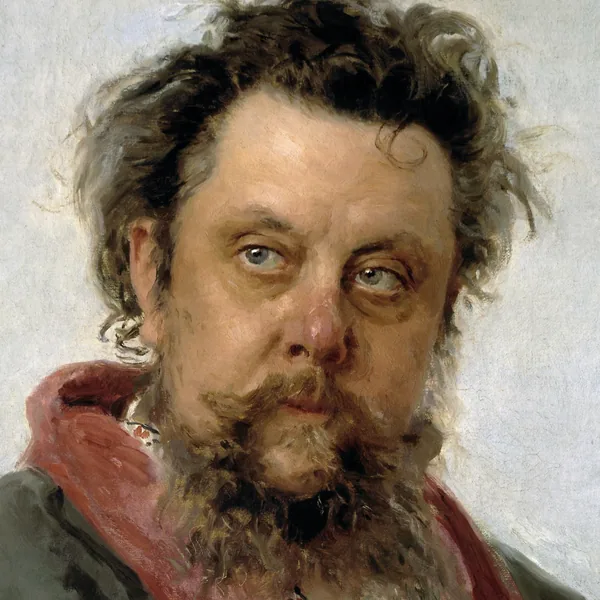
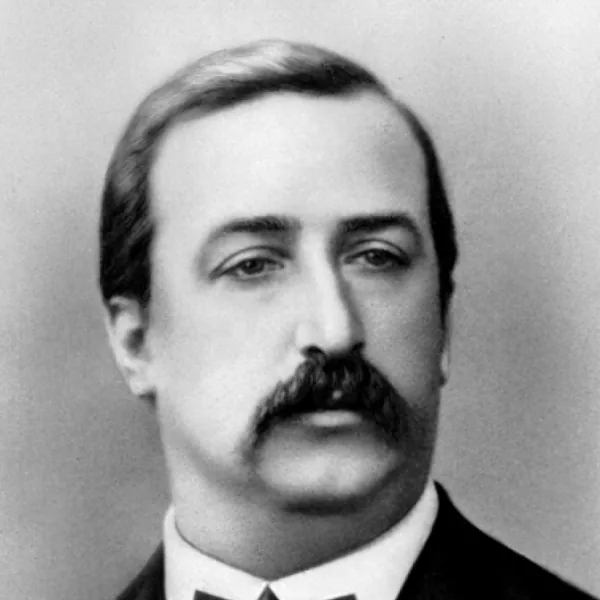
From Glinka to Shostakovich: a century of Russian music, in the order it was written.
Glinka → Balakirev → Mussorgsky → Borodin → Rimsky-Korsakov → Tchaikovsky → Rachmaninoff → Scriabin → Prokofiev → Shostakovich
Path 17
Nocturne, étude, mazurka, scherzo, ballade, polonaise, waltz: Chopin's genres in twelve works, in the order he wrote them.
Chopin
Path 18
Mozart in twelve works, from a motet written at sixteen to the Requiem he left unfinished.
Mozart
Path 19
Brahms in twelve works, from the First Piano Concerto to the last of his piano pieces.
Brahms
Path 21
Two French composers side by side, often compared and often confused, from 1891 to Boléro in 1928.
Debussy → Ravel
Path 22
Ten violin concertos, from Beethoven's of 1806 to Sibelius's of 1904.
Beethoven → Paganini → Mendelssohn → Wieniawski → Bruch → Lalo → Brahms → Tchaikovsky → Dvořák → Sibelius
Path 23
The late Romantic orchestra at its largest: Bruckner's and Mahler's symphonies and Strauss's tone poems, 1880 to 1945.
Bruckner → Mahler → Strauss
Path 24
Folk songs, dances and landscapes, from Liszt's Hungary to Márquez's Mexico.
Liszt → Smetana → Grieg → Albéniz → Dvořák → Sibelius → Elgar → Williams → Janáček → Villa-Lobos → Rodrigo → Márquez
Path 25
Choirs from Handel's coronation anthem to Ligeti's cloud of voices: masses, requiems and psalms, 1727 to 1966.
Handel → Mozart → Brahms → Verdi → Fauré → Orff → Messiaen → Bernstein → Ligeti
Path 26
Twelve overtures from Mozart's Figaro to Bernstein's Candide, each a complete piece in a few minutes.
Mozart → Beethoven → Rossini → Weber → Mendelssohn → Wagner → Berlioz → Offenbach → Brahms → Tchaikovsky → Bernstein
Path 27
Twelve directions the century took, from Schoenberg's Verklärte Nacht of 1899 to Piazzolla's tango of 1982.
Schoenberg → Ives → Bartók → Holst → Gershwin → Barber → Prokofiev → Copland → Ligeti → Górecki → Piazzolla