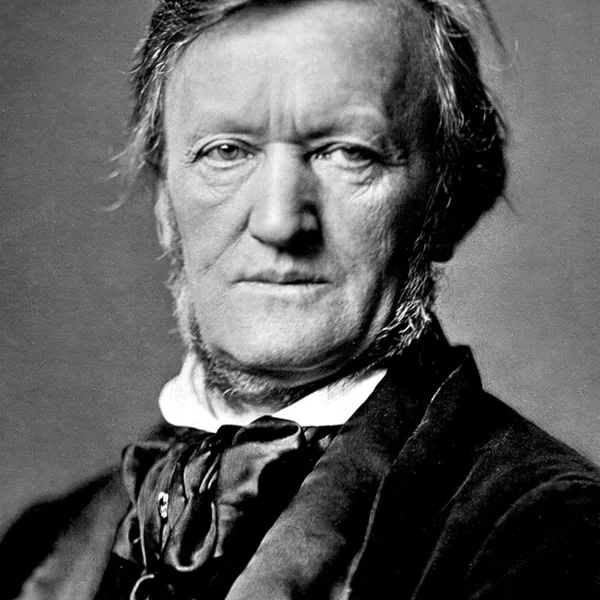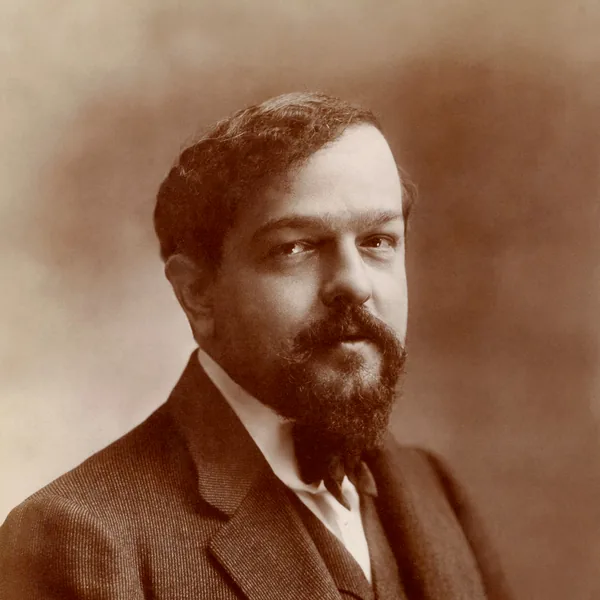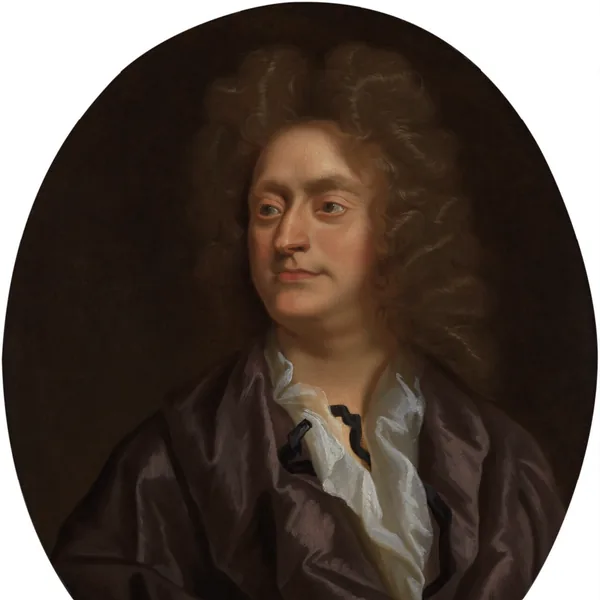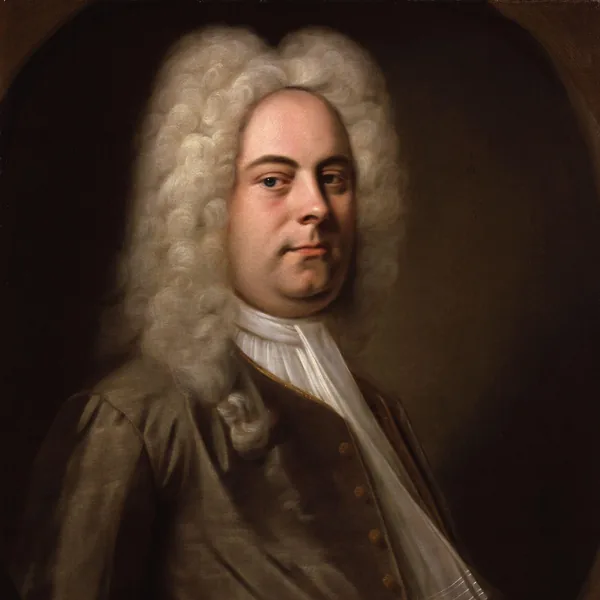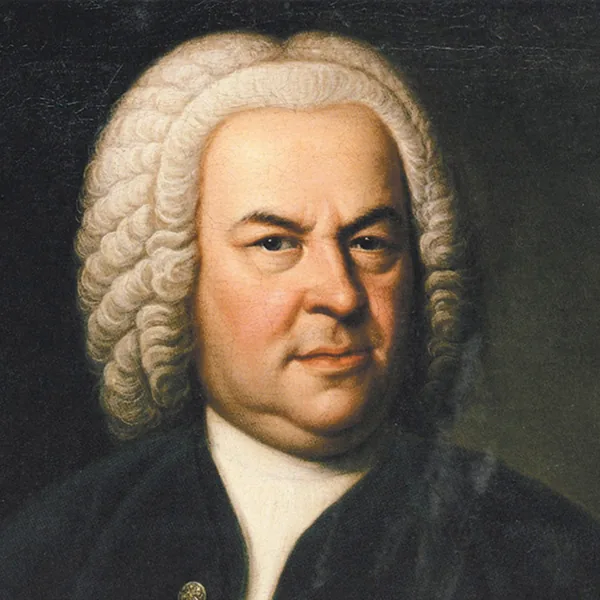
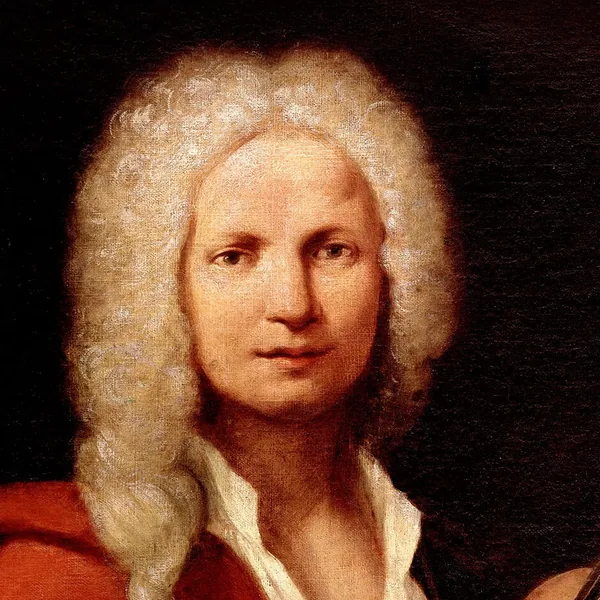
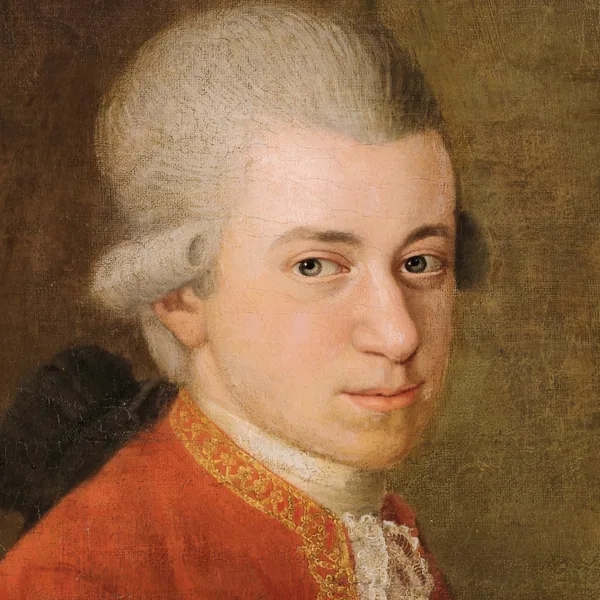
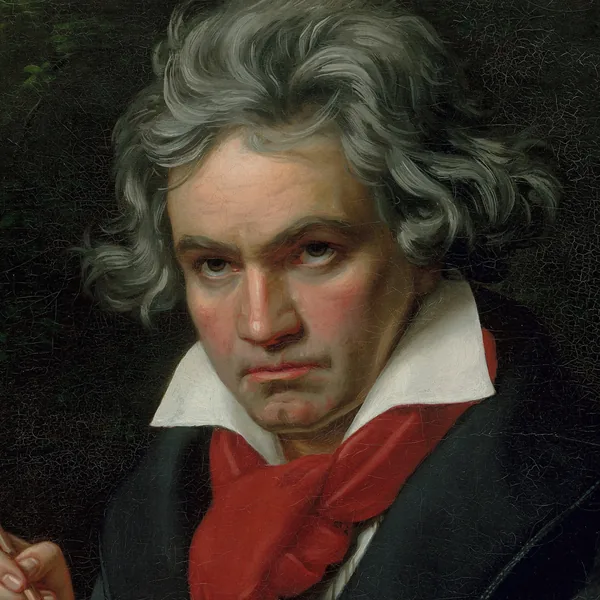
Path 01
Start here
Ten well-known works to learn the map on, each open in full to everyone.
Pachelbel → Bach → Vivaldi → Mozart → Beethoven → Schubert → Chopin → Dvořák → Debussy
Listening paths · Path 26
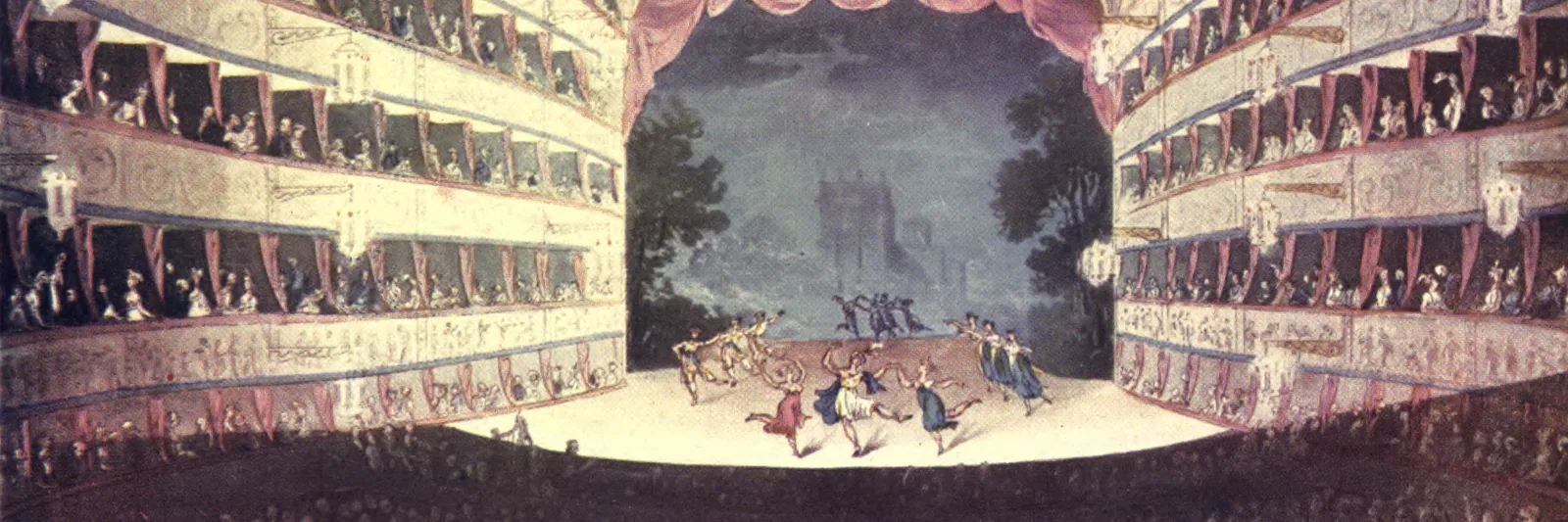
Twelve overtures from Mozart's Figaro to Bernstein's Candide, each a complete piece in a few minutes.
An overture opens an opera or a play, and the best of them became concert pieces of their own. Many follow the same plan: a slow introduction, then a fast movement in sonata form, sometimes without a development. Some quote the opera's tunes and some none at all; Mendelssohn's and Brahms's were written for the concert hall, and Tchaikovsky's 1812 ends with cannons and bells. They run in the order they were written, from 1786 to 1956.
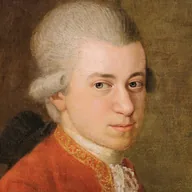 MozartLe nozze di Figaro Overture, K. 492
A sonata form with its middle taken out: there is no development, so after the Codetta the whispering opening comes straight back as the Recapitulation. None of the opera's tunes appears; the overture sets the comedy's pace instead.
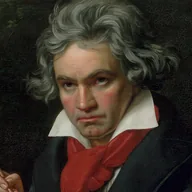 BeethovenEgmont Overture, Op. 84
A slow introduction of a heavy F minor chord and a sarabande rhythm, then an Allegro in sonata form whose Theme B is that sarabande sped up. After the recapitulation a sudden silence marks Egmont's death, and the Coda ends in triumphant F major.
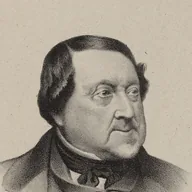 RossiniIl barbiere di Siviglia Overture
Written for an earlier opera and used twice before it reached the Barber, so none of the opera's tunes is in it. A slow Andante maestoso Introduction, then a sonata form without a development: a short Retransition leads straight back to the 1st Subject.
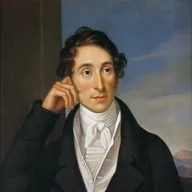 WeberDer Freischütz Overture, Op. 77, J. 277
Horns like hunting horns open the slow introduction before a shiver of string tremolo. The Allegro sets the opera's two worlds against each other: stormy C minor in the 1st Subject, Agathe's soaring C major tune in the 2nd, and good against evil in the Development.
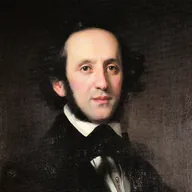 MendelssohnA Midsummer Night's Dream Overture, Op. 21
Written at seventeen. Four wind chords open the Introduction and return at the Recapitulation; between them come the scampering Fairy Theme, the Royal Court Theme, the Lovers' Theme with Bottom's “hee-haw”, and the Hunting Music, all named on the map.
RossiniWilliam Tell OvertureNot a sonata form but four linked scenes: Dawn for five solo cellos, the Storm, the Ranz des vaches for cor anglais and flute, and the trumpet-led Galop known from The Lone Ranger, whose tunes come in repeated pairs.
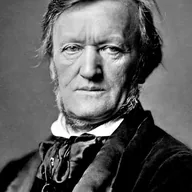 WagnerDer fliegende Holländer Overture
The opera in miniature: the Dutchman's fanfare, the sea stirred up in the strings, and Senta's calmer melody on the English horn as the 2nd Subject. Wagner bends the form to the drama, so only that second subject returns in the Recapitulation.
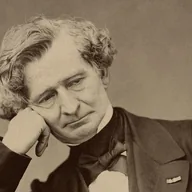 BerliozRoman Carnival Overture, Op. 9; H 95
Built from two tunes of Berlioz's failed opera Benvenuto Cellini: a slow cor anglais melody in the long introduction and a quick saltarello that starts the Exposition. Near the end the slow melody comes back as a fugato over the dance rhythm.
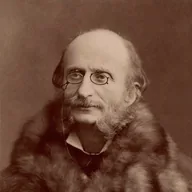 OffenbachOrpheus in the Underworld Overture
A medley put together in Vienna in 1860 by Carl Binder, not by Offenbach. Eight sections, A to H, each with its own tune, run from the opening fanfare and solos for clarinet and oboe to the longest, H, which ends in the can-can.
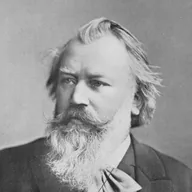 BrahmsAcademic Festival Overture, Op. 80
Student songs instead of new tunes, in a sonata form: after a mysterious C minor Opening, “Wir hatten gebauet” leads to Theme 1, the Landesvater is Theme 2, the bassoons' Fuchs song is the Closing, and “Gaudeamus” crowns the Coda.
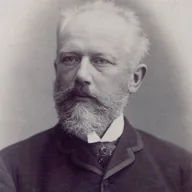 Tchaikovsky1812 Overture, Op. 49
A battle in sound rather than a sonata form. The Russian hymn opens the Largo, the Marseillaise and Russian tunes fight for the upper hand, and after the cannons the hymn returns with bells and full brass. Tchaikovsky himself thought it merely loud.
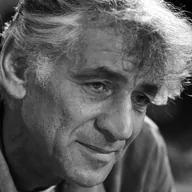 BernsteinCandide Overture
A Broadway overture built, unusually, on sonata lines. The fanfare's motto stumbles into E-flat, bustling music leads to the lyrical “Oh, Happy We” (B), the opening returns with a gleeful solo violin, and “Glitter and Be Gay” drives section C.
Path 01
Ten well-known works to learn the map on, each open in full to everyone.
Pachelbel → Bach → Vivaldi → Mozart → Beethoven → Schubert → Chopin → Dvořák → Debussy
Path 02
Twelve symphonies from Mozart's Fortieth to Shostakovich's Fifth, the core of the concert repertoire.
Mozart → Haydn → Beethoven → Schubert → Berlioz → Mendelssohn → Brahms → Mahler → Tchaikovsky → Dvořák → Shostakovich
Path 03
Twelve slow, quiet pieces, from Chopin's lullaby to Pärt's Fratres.
Chopin → Liszt → Wagner → Debussy → Massenet → Fauré → Grainger → Delius → Williams → Rachmaninoff → Pärt
Path 04
Ground bass, ritornello, fugue and dance: the Baroque in twelve works, from Purcell to Bach's Musical Offering.
Purcell → Pachelbel → Bach → Vivaldi → Handel → Scarlatti
Path 05
The form behind most first movements, heard twelve times, from a small sonata to a symphony.
Mozart → Haydn → Beethoven → Schubert → Mendelssohn → Brahms → Prokofiev
Path 06
Haydn's two London visits, 1791–95: six of the symphonies he wrote there, three piano sonatas, and what he took home to Vienna.
Haydn
Path 07
Short, complete works for a single sitting.
Bach → Mozart → Haydn → Beethoven → Schubert → Mendelssohn → Saint-Saëns → Sibelius → Ravel → Debussy → Gershwin → Copland
Path 08
Four players across almost two centuries: Haydn shapes the conversation, Bartók breaks it open, Shostakovich turns it inward.
Haydn → Mozart → Schubert → Beethoven → Dvořák → Debussy → Reger → Bartók → Shostakovich
Path 09
One work for each kind in the catalog, from the symphony to choral music.
Beethoven → Vivaldi → Debussy → Holst → Dvořák → Mozart → Chopin → Scarlatti → Bach → Schubert → Strauss → Handel
Path 10
From the First of 1800 to the Choral of 1824, in the order Beethoven wrote them.
Beethoven
Path 11
Soloist and orchestra across two and a half centuries, from Bach's harpsichord to Rostropovich's cello.
Bach → Vivaldi → Mozart → Beethoven → Mendelssohn → Tchaikovsky → Dvořák → Rachmaninoff → Ravel → Shostakovich
Path 12
Eleven short pieces from Field to Grieg, each holding one mood.
Field → Schubert → Mendelssohn → Chopin → Schumann → Liszt → Tchaikovsky → Rachmaninoff → Brahms → Grieg
Path 13
A poem, a voice and a piano, later an orchestra: from Schubert's first masterpieces to Strauss's last songs.
Schubert → Schumann → Wagner → Mahler → Debussy → Fauré → Strauss
Path 14
Two ways of making much from little: a theme changed again and again, and a subject passed from voice to voice.
Bach → Mozart → Haydn → Beethoven → Mendelssohn → Brahms → Elgar
Path 15
Fauré, Satie, Debussy, Chausson, Dukas and Ravel, from 1887 to 1920.
Fauré → Satie → Debussy → Chausson → Dukas → Ravel
Path 16
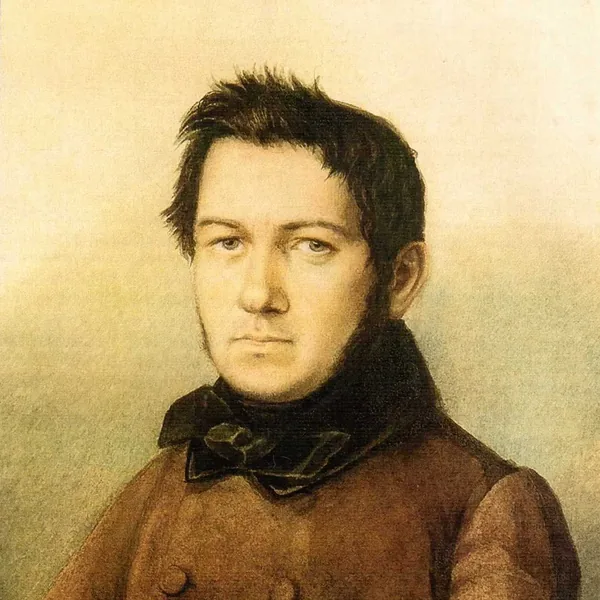
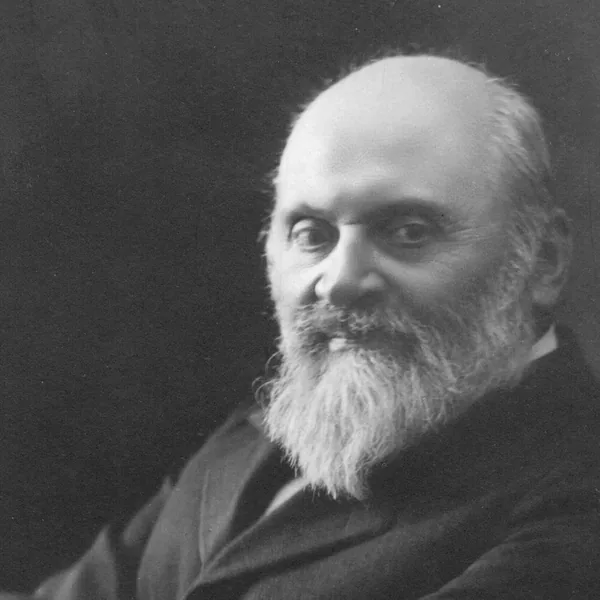
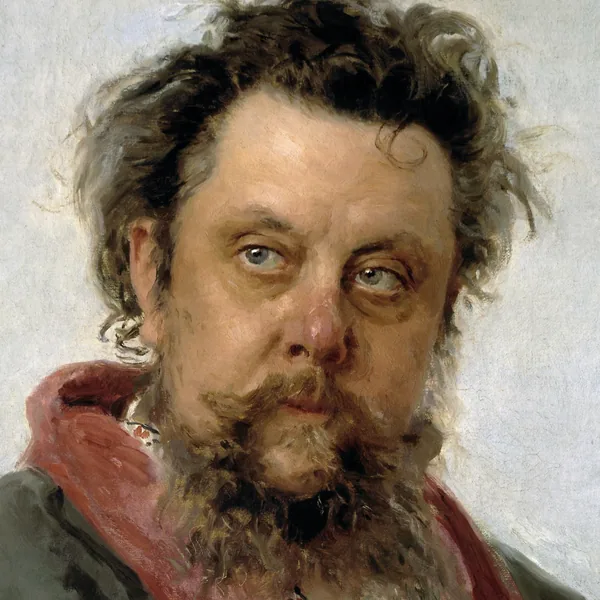
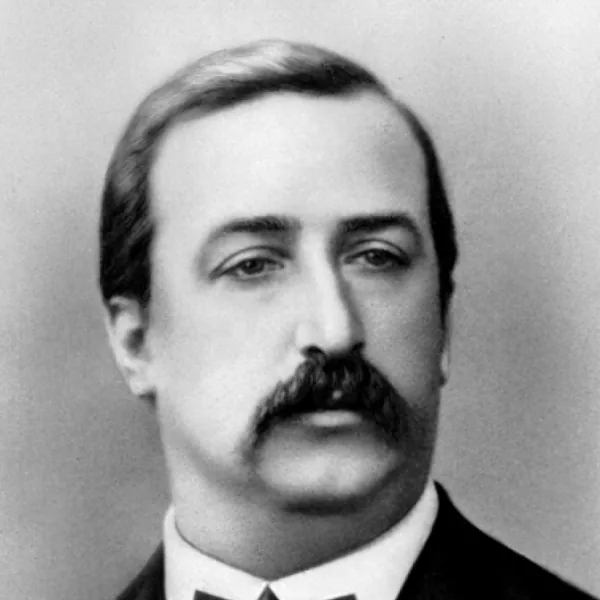
From Glinka to Shostakovich: a century of Russian music, in the order it was written.
Glinka → Balakirev → Mussorgsky → Borodin → Rimsky-Korsakov → Tchaikovsky → Rachmaninoff → Scriabin → Prokofiev → Shostakovich
Path 17
Nocturne, étude, mazurka, scherzo, ballade, polonaise, waltz: Chopin's genres in twelve works, in the order he wrote them.
Chopin
Path 18
Mozart in twelve works, from a motet written at sixteen to the Requiem he left unfinished.
Mozart
Path 19
Brahms in twelve works, from the First Piano Concerto to the last of his piano pieces.
Brahms
Path 20
Twelve piano sonatas from Mozart and Haydn to Prokofiev's war sonata of 1942.
Mozart → Haydn → Beethoven → Schubert → Chopin → Liszt → Berg → Bartók → Prokofiev
Path 21
Two French composers side by side, often compared and often confused, from 1891 to Boléro in 1928.
Debussy → Ravel
Path 22
Ten violin concertos, from Beethoven's of 1806 to Sibelius's of 1904.
Beethoven → Paganini → Mendelssohn → Wieniawski → Bruch → Lalo → Brahms → Tchaikovsky → Dvořák → Sibelius
Path 23
The late Romantic orchestra at its largest: Bruckner's and Mahler's symphonies and Strauss's tone poems, 1880 to 1945.
Bruckner → Mahler → Strauss
Path 24
Folk songs, dances and landscapes, from Liszt's Hungary to Márquez's Mexico.
Liszt → Smetana → Grieg → Albéniz → Dvořák → Sibelius → Elgar → Williams → Janáček → Villa-Lobos → Rodrigo → Márquez
Path 25
Choirs from Handel's coronation anthem to Ligeti's cloud of voices: masses, requiems and psalms, 1727 to 1966.
Handel → Mozart → Brahms → Verdi → Fauré → Orff → Messiaen → Bernstein → Ligeti
Path 27
Twelve directions the century took, from Schoenberg's Verklärte Nacht of 1899 to Piazzolla's tango of 1982.
Schoenberg → Ives → Bartók → Holst → Gershwin → Barber → Prokofiev → Copland → Ligeti → Górecki → Piazzolla