Path 01
Understanding sonata form
The form behind most first movements, heard six times, from a small sonata to a symphony.
Mozart → Haydn → Beethoven → Schubert
Listening paths · Path 04
Four players across a century and a half: Haydn shapes the conversation, Bartók breaks it open.
Two violins, a viola and a cello. Haydn's Op. 20 gave each of the four players a voice of their own; Reger brought late Romantic harmony and strict counterpoint to the same forces; Bartók's first two quartets take the genre into the twentieth century.
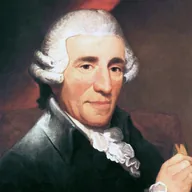 HaydnString Quartet in C major, Op. 20 No. 2
The cello takes the opening tune, and the finale is a fugue on four subjects.
HaydnString Quartet in F minor, Op. 20 No. 5In F minor; it ends with a strict fugue on two subjects.
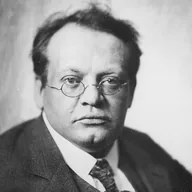 RegerString Quartet in G minor, Op. 54 No. 1
Dense chromatic harmony from 1900, with a fugue that reaches back to Haydn's Op. 20.
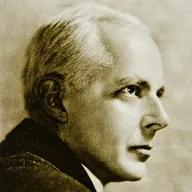 BartókString Quartet No. 1, Op. 7
It opens with the two violins imitating each other slowly, and each of its three movements is faster than the one before.
BartókString Quartet No. 2, Op. 17Written during the First World War: a moderate first movement, a fierce fast one, and a slow, quiet ending.
Path 01
The form behind most first movements, heard six times, from a small sonata to a symphony.
Mozart → Haydn → Beethoven → Schubert
Path 02
The last five of the twelve symphonies Haydn wrote for London audiences, 1794–95.
Haydn
Path 03
Short, complete works for a single sitting.
Mozart → Beethoven → Haydn → Ravel → Bach → Mendelssohn