Path 01
Start here
Ten well-known works to learn the map on, each open in full to everyone.
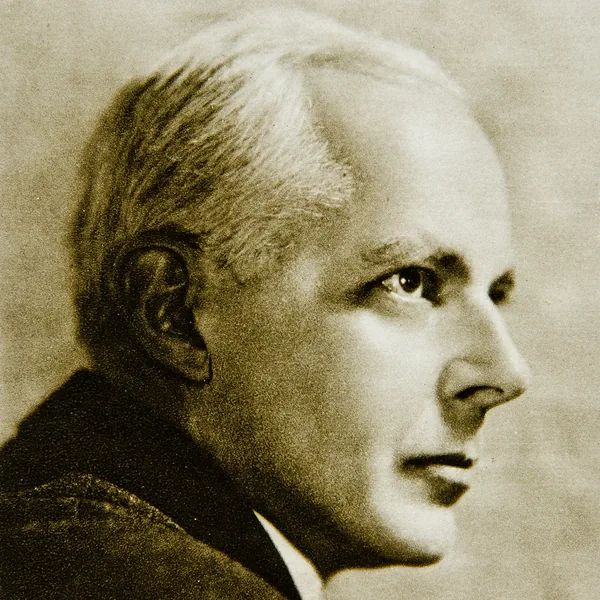
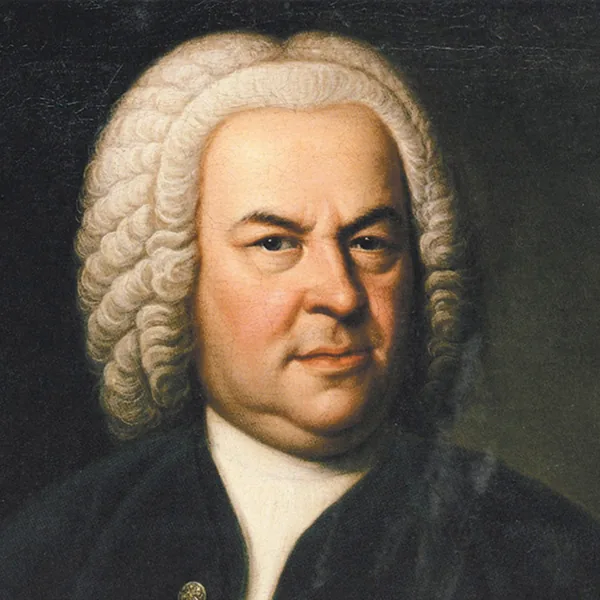
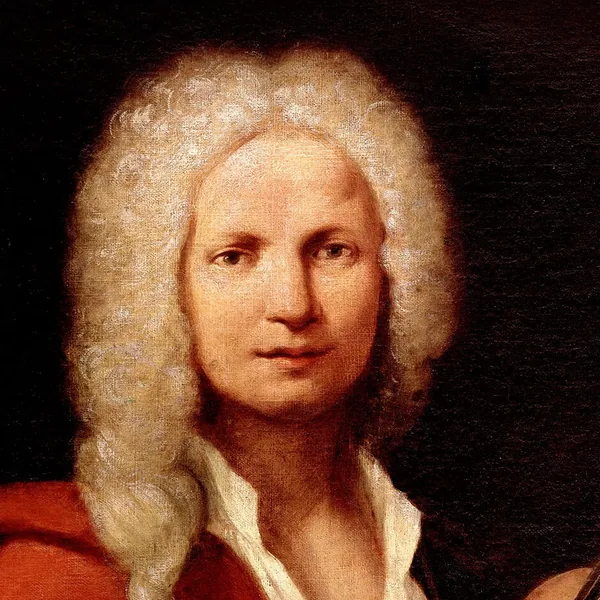
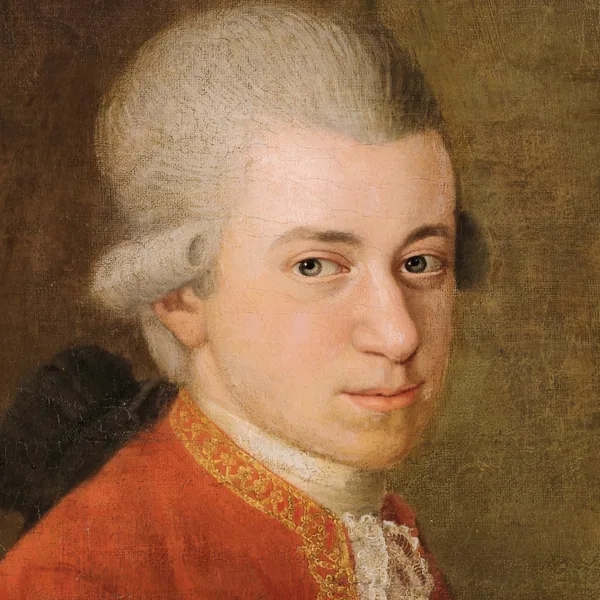
Pachelbel → Bach → Vivaldi → Mozart → Beethoven → Schubert → Chopin → Dvořák → Debussy
Listening paths · Path 21
Two French composers side by side, often compared and often confused, from 1891 to Boléro in 1928.
Debussy was thirteen years older, and Ravel admired him, but their music is easy to tell apart once you listen for it. Debussy loosens the forms he inherited and lets colour and harmony lead; Ravel keeps clear classical outlines and polishes every detail inside them. Their two string quartets, ten years apart and both in four movements, stand next to each other here. The works run in the order they were written.
 DebussyArabesque No. 1 in E major, CD 74/1; L. 66/1
Young Debussy, named after a design of flowing, curving lines. Listen for the right hand's groups of three against the left hand's twos, and for the return of A, which climbs higher and sweeps along a wide pentatonic scale before settling in E major.
DebussyString Quartet in G minor, Op. 10, L. 85Debussy's only quartet, and the model for Ravel's. Its motto, the First Subject, keeps changing shape: a dance for solo viola in the second movement, a broader melody in the finale, whose Coda gathers every thread of the quartet together.
 RavelString Quartet in F major, M. 35
Ten years on, Ravel followed Debussy's plan closely, down to themes from the first movement returning in the others. Compare the two plucked second movements, then hear the finale's Refrain come back between Episodes in shifting metres, one Episode calmly recalling the opening theme.
DebussyEstampes, L. 100Three “prints” of places Debussy knew mostly through imagination: a pagoda garden with gamelan-like five-note scales, an evening in Granada on a habanera rhythm, and a Normandy garden in the rain, where two French children's songs surface through the patter.
DebussySuite bergamasque, L. 75Old dance names – Prélude, Menuet, Passepied – in a soft, hazy new colour, with Clair de lune, named after a Verlaine poem, in their midst. There, follow the floating A, the rippling B marked Un poco mosso, and the Coda, where the theme breaks into fragments.
RavelMiroirs, M. 43Five pictures, each dedicated to a friend from Les Apaches: night moths, sad birds, a boat at sea, a jester's morning song and bells in a valley. Even the fluttering moths of Noctuelles fly inside a clear sonata form, a very Ravel touch.
DebussyChildren's Corner, L. 113Six scenes for his small daughter Chouchou, with English titles. Doctor Gradus ad Parnassum pokes fun at a dry book of piano exercises, and in Golliwogg's Cake-walk the slower B section quotes the opening of Wagner's Tristan und Isolde as a joke.
RavelGaspard de la nuit, M. 55Three prose poems by Aloysius Bertrand: a water spirit, a hanged man, a goblin. Ravel aimed to outdo Islamey in difficulty. In Le Gibet one B-flat tolls throughout without changing pitch, while Ondine and Scarbo both take sonata form, Ondine bringing back Subject II before Subject I.
RavelMa mère l’Oye, M. 60Fairy tales written for two children, the young Godebskis, heard here in Ravel's orchestration. In Les entretiens de la Belle et de la Bête the clarinet's waltz (La Belle) meets the contrabassoon's lumbering reply (La Bête), and in the Coda the spell breaks.
DebussyPrélude I/8: La fille aux cheveux de lin, L. 117 No. 8Just 39 bars, very calm and gently expressive, with a title from a poem by Leconte de Lisle. The opening tune carries the whole piece: it comes back with fuller harmony in Section 2 and, expanded, in Section 3.
DebussyViolin Sonata in G minor, L. 140Debussy's last major work; at its premiere in 1917 he played the piano part, his final public appearance. Themes, tempos and keys rarely stay put. The finale begins by recalling the first movement's theme, which returns only briefly near the end.
RavelBoléro, M. 81Ravel's sharpest outline of all: one snare-drum rhythm that never changes, two melodies (A and B) taking turns, and a single long crescendo. Follow the rounds on the map, and listen for the sudden jump to a new key just before the Coda.
Path 01
Ten well-known works to learn the map on, each open in full to everyone.
Pachelbel → Bach → Vivaldi → Mozart → Beethoven → Schubert → Chopin → Dvořák → Debussy
Path 02
Twelve symphonies from Mozart's Fortieth to Shostakovich's Fifth, the core of the concert repertoire.
Mozart → Haydn → Beethoven → Schubert → Berlioz → Mendelssohn → Brahms → Mahler → Tchaikovsky → Dvořák → Shostakovich
Path 03
Twelve slow, quiet pieces, from Chopin's lullaby to Pärt's Fratres.
Chopin → Liszt → Wagner → Debussy → Massenet → Fauré → Grainger → Delius → Williams → Rachmaninoff → Pärt
Path 04
Ground bass, ritornello, fugue and dance: the Baroque in twelve works, from Purcell to Bach's Musical Offering.
Purcell → Pachelbel → Bach → Vivaldi → Handel → Scarlatti
Path 05
The form behind most first movements, heard twelve times, from a small sonata to a symphony.
Mozart → Haydn → Beethoven → Schubert → Mendelssohn → Brahms → Prokofiev
Path 06
Haydn's two London visits, 1791–95: six of the symphonies he wrote there, three piano sonatas, and what he took home to Vienna.
Haydn
Path 07
Short, complete works for a single sitting.
Bach → Mozart → Haydn → Beethoven → Schubert → Mendelssohn → Saint-Saëns → Sibelius → Ravel → Debussy → Gershwin → Copland
Path 08
Four players across almost two centuries: Haydn shapes the conversation, Bartók breaks it open, Shostakovich turns it inward.
Haydn → Mozart → Schubert → Beethoven → Dvořák → Debussy → Reger → Bartók → Shostakovich
Path 09
One work for each kind in the catalog, from the symphony to choral music.
Beethoven → Vivaldi → Debussy → Holst → Dvořák → Mozart → Chopin → Scarlatti → Bach → Schubert → Strauss → Handel
Path 10
From the First of 1800 to the Choral of 1824, in the order Beethoven wrote them.
Beethoven
Path 11
Soloist and orchestra across two and a half centuries, from Bach's harpsichord to Rostropovich's cello.
Bach → Vivaldi → Mozart → Beethoven → Mendelssohn → Tchaikovsky → Dvořák → Rachmaninoff → Ravel → Shostakovich
Path 12
Eleven short pieces from Field to Grieg, each holding one mood.
Field → Schubert → Mendelssohn → Chopin → Schumann → Liszt → Tchaikovsky → Rachmaninoff → Brahms → Grieg
Path 13
A poem, a voice and a piano, later an orchestra: from Schubert's first masterpieces to Strauss's last songs.
Schubert → Schumann → Wagner → Mahler → Debussy → Fauré → Strauss
Path 14
Two ways of making much from little: a theme changed again and again, and a subject passed from voice to voice.
Bach → Mozart → Haydn → Beethoven → Mendelssohn → Brahms → Elgar
Path 15
Fauré, Satie, Debussy, Chausson, Dukas and Ravel, from 1887 to 1920.
Fauré → Satie → Debussy → Chausson → Dukas → Ravel
Path 16
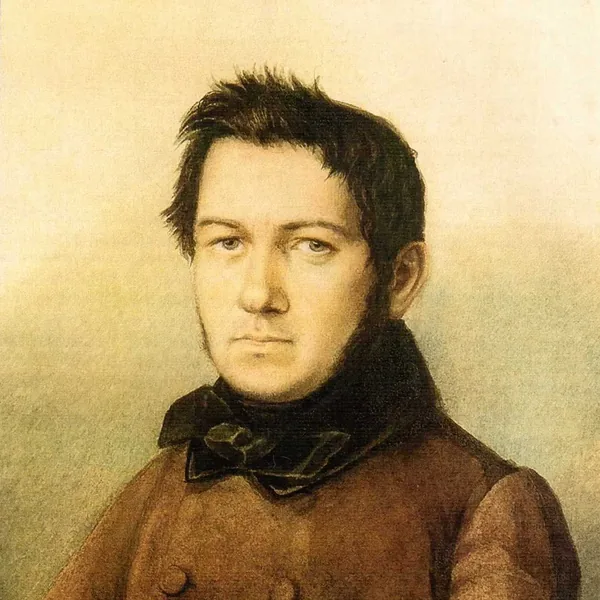
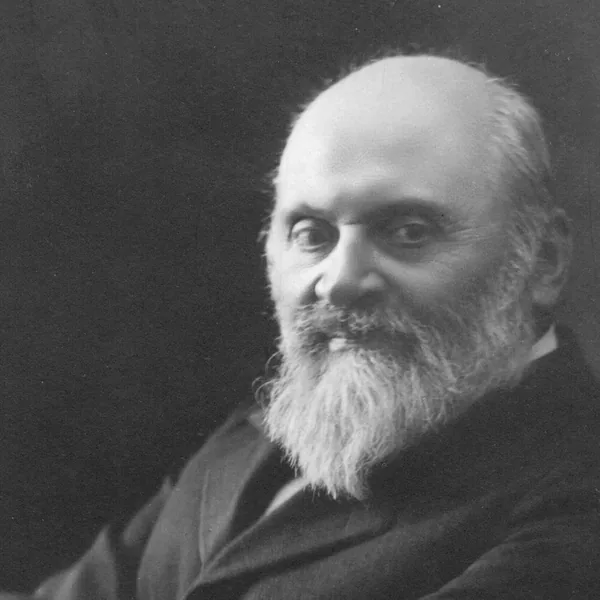
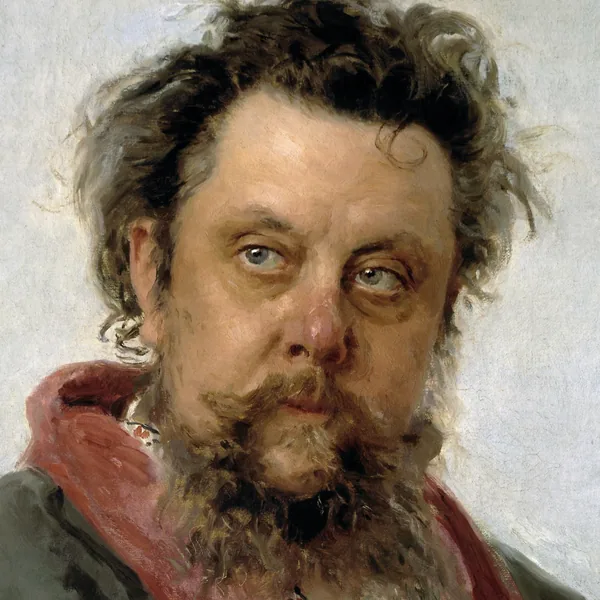
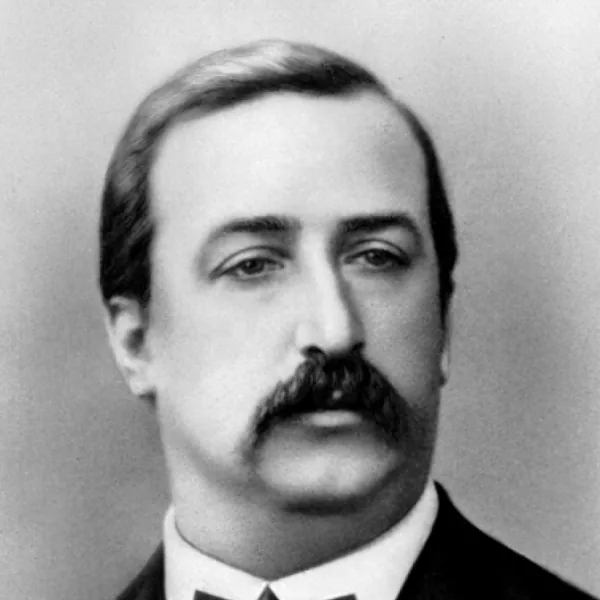
From Glinka to Shostakovich: a century of Russian music, in the order it was written.
Glinka → Balakirev → Mussorgsky → Borodin → Rimsky-Korsakov → Tchaikovsky → Rachmaninoff → Scriabin → Prokofiev → Shostakovich
Path 17
Nocturne, étude, mazurka, scherzo, ballade, polonaise, waltz: Chopin's genres in twelve works, in the order he wrote them.
Chopin
Path 18
Mozart in twelve works, from a motet written at sixteen to the Requiem he left unfinished.
Mozart
Path 19
Brahms in twelve works, from the First Piano Concerto to the last of his piano pieces.
Brahms
Path 20
Twelve piano sonatas from Mozart and Haydn to Prokofiev's war sonata of 1942.
Mozart → Haydn → Beethoven → Schubert → Chopin → Liszt → Berg → Bartók → Prokofiev
Path 22
Ten violin concertos, from Beethoven's of 1806 to Sibelius's of 1904.
Beethoven → Paganini → Mendelssohn → Wieniawski → Bruch → Lalo → Brahms → Tchaikovsky → Dvořák → Sibelius
Path 23
The late Romantic orchestra at its largest: Bruckner's and Mahler's symphonies and Strauss's tone poems, 1880 to 1945.
Bruckner → Mahler → Strauss
Path 24
Folk songs, dances and landscapes, from Liszt's Hungary to Márquez's Mexico.
Liszt → Smetana → Grieg → Albéniz → Dvořák → Sibelius → Elgar → Williams → Janáček → Villa-Lobos → Rodrigo → Márquez
Path 25
Choirs from Handel's coronation anthem to Ligeti's cloud of voices: masses, requiems and psalms, 1727 to 1966.
Handel → Mozart → Brahms → Verdi → Fauré → Orff → Messiaen → Bernstein → Ligeti
Path 26
Twelve overtures from Mozart's Figaro to Bernstein's Candide, each a complete piece in a few minutes.
Mozart → Beethoven → Rossini → Weber → Mendelssohn → Wagner → Berlioz → Offenbach → Brahms → Tchaikovsky → Bernstein
Path 27
Twelve directions the century took, from Schoenberg's Verklärte Nacht of 1899 to Piazzolla's tango of 1982.
Schoenberg → Ives → Bartók → Holst → Gershwin → Barber → Prokofiev → Copland → Ligeti → Górecki → Piazzolla