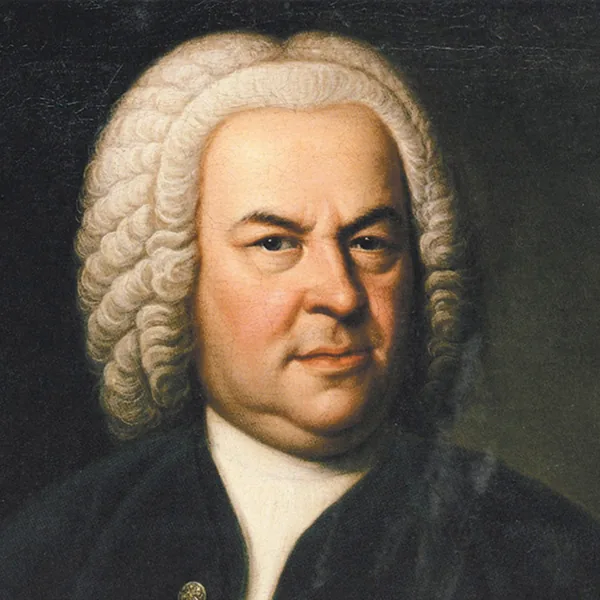
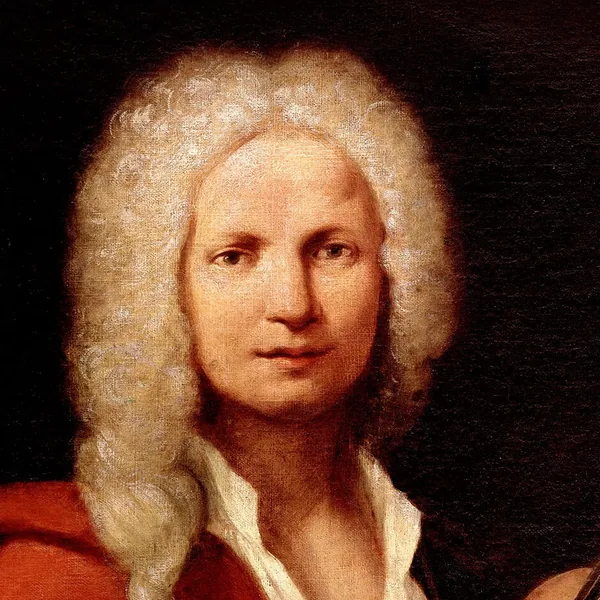
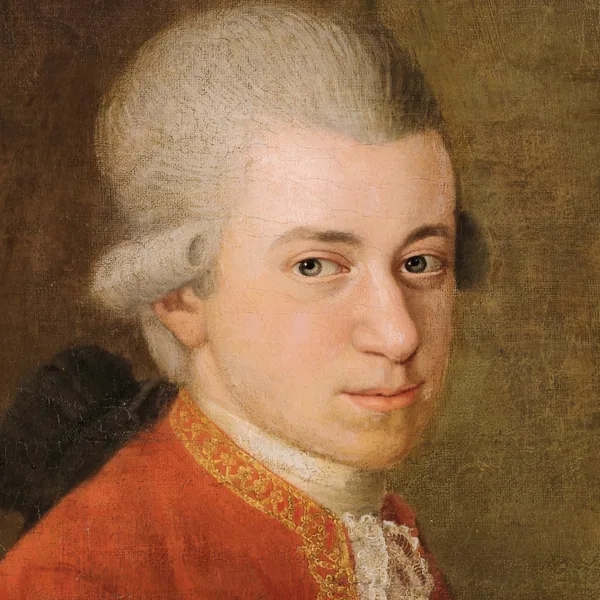
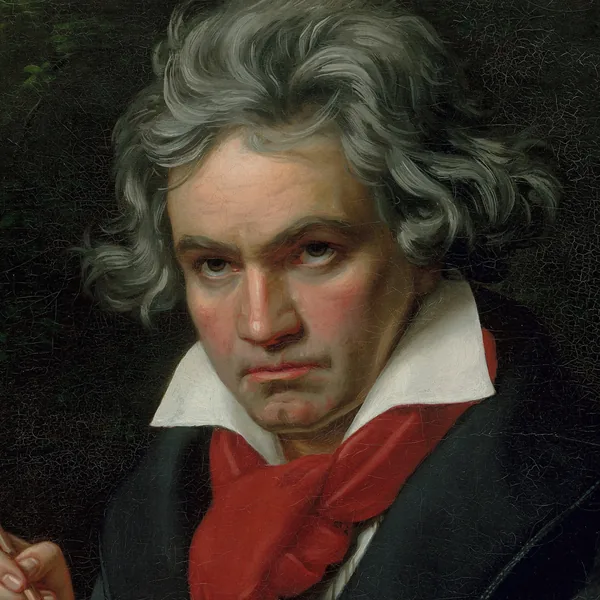
Path 01
Start here
Ten well-known works to learn the map on, each open in full to everyone.
Pachelbel → Bach → Vivaldi → Mozart → Beethoven → Schubert → Chopin → Dvořák → Debussy
Listening paths · Path 25
Choirs from Handel's coronation anthem to Ligeti's cloud of voices: masses, requiems and psalms, 1727 to 1966.
Many of the great choral works set the oldest texts: the Latin Mass, the Requiem, the Psalms. Handel wrote for a coronation and for the oratorio stage, Mozart for Salzburg Cathedral and, at the end, for an anonymous patron; Brahms chose his own words of comfort from the Bible, and Verdi brought the opera house into the church. In the twentieth century Orff, Messiaen, Bernstein and Ligeti found new ways to make a choir sound. The works run in the order they were written.
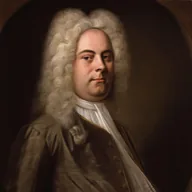 HandelZadok the Priest, HWV 258
Written for the crowning of George II in 1727 and sung at every British coronation since. The choir waits through the hushed string Introduction and enters with full force at A; a dancing 3/4 passage (B) leads to the final acclamations.
HandelMessiah: Hallelujah ChorusThe chorus that closes Part II of Messiah, on words from the Book of Revelation. Each new section on the map changes the texture, and calls on one repeated note climb ever higher before the final pause. Audiences stand for it, though the story that George II did so is unproven.
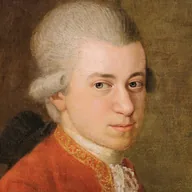 MozartMass in C major, K. 317
A short festive Mass for Salzburg Cathedral at Easter 1779; the nickname came later, from coronation celebrations. The Gloria is shaped as a sonata form, and at the Credo's Adagio, “Et incarnatus est” (B), the soloists sing tenderly before the march returns.
MozartRequiem in D minor, K. 626Left unfinished when Mozart died in December 1791 and completed by Süssmayr. From the Introit, the only number he scored in full, through the double-fugue Kyrie and the Dies irae to the Lacrimosa, which breaks off in his hand after eight bars.
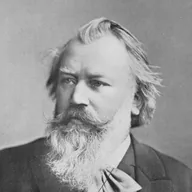 BrahmsEin deutsches Requiem, Op. 45
No Latin Mass: Brahms chose words of comfort for the living from Luther's Bible. Seven movements in a symmetrical plan around the swaying “Wie lieblich”, fugues crowning the second, third and sixth, and a close that returns, with harps, to the music of the opening.
BrahmsSchicksalslied, Op. 54Hölderlin's poem sets serene gods against suffering mortals, and the music follows it: a gentle chorus (A) after a slow orchestral Introduction, an agitated C minor Allegro (B), then a C major Coda for orchestra alone, with the voices silent.
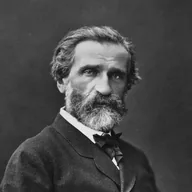 VerdiMessa da Requiem
A Requiem with the force of opera, first heard on the anniversary of Manzoni's death in 1874. The Dies irae storm returns through the Sequence (A′, A″) and once more in the Libera me, which ends in a fugue; the Sanctus is a double fugue for two choirs.
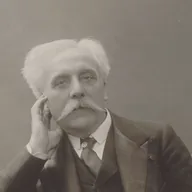 FauréRequiem in D minor, Op. 48
The quietest requiem on this path. The choir enters very softly on Requiem aeternam, the Pie Jesu sets one short prayer three times for a solo voice, the baritone's Libera me rises over a repeating bass, and In Paradisum ends on a soft D major chord.
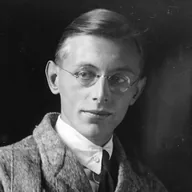 OrffCarmina Burana: O Fortuna
The chorus that opens and closes Orff's Carmina Burana. Three statements of the same music (A, A′, A″) match the poem's three stanzas, while a four-note figure turns underneath like Fortune's wheel, from a thunderous start through a whisper to one long note.
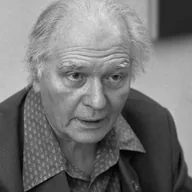 MessiaenO sacrum convivium
Messiaen's only piece for the Catholic liturgy, for unaccompanied choir. Slow chords move without a regular metre through A and its varied return (A′); the high point is held back for the words about future glory, and the last word is “Alleluia”.
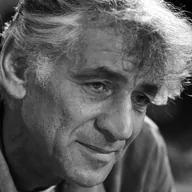 BernsteinChichester Psalms
Psalms in Hebrew for choir, boy alto and orchestra. Psalm 100 becomes a dance in 7/4, the boy's Psalm 23 is broken into by a violent Allegro feroce, and the last movement sways in 10/4 before a quiet chorale on a unison note.
 LigetiLux aeterna
Sixteen unaccompanied voices sing almost identical lines a hair apart, so the words melt into a slowly shifting cloud of sound. At B the basses enter high in falsetto; later they sing “Domine” very low, in the only conventional chord in the piece.
Path 01
Ten well-known works to learn the map on, each open in full to everyone.
Pachelbel → Bach → Vivaldi → Mozart → Beethoven → Schubert → Chopin → Dvořák → Debussy
Path 02
Twelve symphonies from Mozart's Fortieth to Shostakovich's Fifth, the core of the concert repertoire.
Mozart → Haydn → Beethoven → Schubert → Berlioz → Mendelssohn → Brahms → Mahler → Tchaikovsky → Dvořák → Shostakovich
Path 03
Twelve slow, quiet pieces, from Chopin's lullaby to Pärt's Fratres.
Chopin → Liszt → Wagner → Debussy → Massenet → Fauré → Grainger → Delius → Williams → Rachmaninoff → Pärt
Path 04
Ground bass, ritornello, fugue and dance: the Baroque in twelve works, from Purcell to Bach's Musical Offering.
Purcell → Pachelbel → Bach → Vivaldi → Handel → Scarlatti
Path 05
The form behind most first movements, heard twelve times, from a small sonata to a symphony.
Mozart → Haydn → Beethoven → Schubert → Mendelssohn → Brahms → Prokofiev
Path 06
Haydn's two London visits, 1791–95: six of the symphonies he wrote there, three piano sonatas, and what he took home to Vienna.
Haydn
Path 07
Short, complete works for a single sitting.
Bach → Mozart → Haydn → Beethoven → Schubert → Mendelssohn → Saint-Saëns → Sibelius → Ravel → Debussy → Gershwin → Copland
Path 08
Four players across almost two centuries: Haydn shapes the conversation, Bartók breaks it open, Shostakovich turns it inward.
Haydn → Mozart → Schubert → Beethoven → Dvořák → Debussy → Reger → Bartók → Shostakovich
Path 09
One work for each kind in the catalog, from the symphony to choral music.
Beethoven → Vivaldi → Debussy → Holst → Dvořák → Mozart → Chopin → Scarlatti → Bach → Schubert → Strauss → Handel
Path 10
From the First of 1800 to the Choral of 1824, in the order Beethoven wrote them.
Beethoven
Path 11
Soloist and orchestra across two and a half centuries, from Bach's harpsichord to Rostropovich's cello.
Bach → Vivaldi → Mozart → Beethoven → Mendelssohn → Tchaikovsky → Dvořák → Rachmaninoff → Ravel → Shostakovich
Path 12
Eleven short pieces from Field to Grieg, each holding one mood.
Field → Schubert → Mendelssohn → Chopin → Schumann → Liszt → Tchaikovsky → Rachmaninoff → Brahms → Grieg
Path 13
A poem, a voice and a piano, later an orchestra: from Schubert's first masterpieces to Strauss's last songs.
Schubert → Schumann → Wagner → Mahler → Debussy → Fauré → Strauss
Path 14
Two ways of making much from little: a theme changed again and again, and a subject passed from voice to voice.
Bach → Mozart → Haydn → Beethoven → Mendelssohn → Brahms → Elgar
Path 15
Fauré, Satie, Debussy, Chausson, Dukas and Ravel, from 1887 to 1920.
Fauré → Satie → Debussy → Chausson → Dukas → Ravel
Path 16
From Glinka to Shostakovich: a century of Russian music, in the order it was written.
Glinka → Balakirev → Mussorgsky → Borodin → Rimsky-Korsakov → Tchaikovsky → Rachmaninoff → Scriabin → Prokofiev → Shostakovich
Path 17
Nocturne, étude, mazurka, scherzo, ballade, polonaise, waltz: Chopin's genres in twelve works, in the order he wrote them.
Chopin
Path 18
Mozart in twelve works, from a motet written at sixteen to the Requiem he left unfinished.
Mozart
Path 19
Brahms in twelve works, from the First Piano Concerto to the last of his piano pieces.
Brahms
Path 20
Twelve piano sonatas from Mozart and Haydn to Prokofiev's war sonata of 1942.
Mozart → Haydn → Beethoven → Schubert → Chopin → Liszt → Berg → Bartók → Prokofiev
Path 21
Two French composers side by side, often compared and often confused, from 1891 to Boléro in 1928.
Debussy → Ravel
Path 22
Ten violin concertos, from Beethoven's of 1806 to Sibelius's of 1904.
Beethoven → Paganini → Mendelssohn → Wieniawski → Bruch → Lalo → Brahms → Tchaikovsky → Dvořák → Sibelius
Path 23
The late Romantic orchestra at its largest: Bruckner's and Mahler's symphonies and Strauss's tone poems, 1880 to 1945.
Bruckner → Mahler → Strauss
Path 24
Folk songs, dances and landscapes, from Liszt's Hungary to Márquez's Mexico.
Liszt → Smetana → Grieg → Albéniz → Dvořák → Sibelius → Elgar → Williams → Janáček → Villa-Lobos → Rodrigo → Márquez
Path 26
Twelve overtures from Mozart's Figaro to Bernstein's Candide, each a complete piece in a few minutes.
Mozart → Beethoven → Rossini → Weber → Mendelssohn → Wagner → Berlioz → Offenbach → Brahms → Tchaikovsky → Bernstein
Path 27
Twelve directions the century took, from Schoenberg's Verklärte Nacht of 1899 to Piazzolla's tango of 1982.
Schoenberg → Ives → Bartók → Holst → Gershwin → Barber → Prokofiev → Copland → Ligeti → Górecki → Piazzolla