Path 02
Haydn in London
The last five of the twelve symphonies Haydn wrote for London audiences, 1794–95.
Haydn
Listening paths · Path 01
The form behind most first movements, heard six times, from a small sonata to a symphony.
Sonata form has three parts. The exposition sets out two groups of themes in two keys, the development takes them apart and travels, and the recapitulation brings both groups back in the home key. Keep the section map in view while you listen: each work here makes one part of the plan easy to hear.
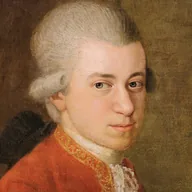 MozartPiano Sonata No. 16 in C major, K. 545
Short and clear. The second theme arrives in G major, and the recapitulation starts in F major instead of C before it finds its way home.
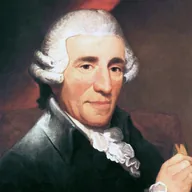 HaydnSymphony No. 104 in D major
A slow introduction in D minor, then an Allegro whose second group begins with the first theme again in the new key: one theme doing the work of two.
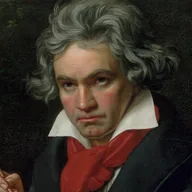 BeethovenPiano Sonata No. 1 in F minor, Op. 2 No. 1
A rising arpeggio and a falling answer in A-flat major, easy to tell apart, so you can follow both through the development.
MozartSymphony No. 40 in G minor, K. 550The second theme first appears in B-flat major; listen for it to return in G minor in the recapitulation, darker than before.
BeethovenSymphony No. 5 in C minor, Op. 67The four-note motif drives the whole exposition. A horn call announces the second theme; in the recapitulation the bassoons play it.
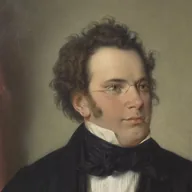 SchubertSymphony No. 8 in B minor, D 759
Only two movements. The cellos sing the second theme in G major, and the development is built from the quiet phrase in the low strings that opens the work.
Path 02
The last five of the twelve symphonies Haydn wrote for London audiences, 1794–95.
Haydn
Path 03
Short, complete works for a single sitting.
Mozart → Beethoven → Haydn → Ravel → Bach → Mendelssohn
Path 04
Four players across a century and a half: Haydn shapes the conversation, Bartók breaks it open.
Haydn → Reger → Bartók