Forms · Unit 4: Sonata form
The exposition
The exposition sets out the material of a sonata-form movement and creates its central tension: two keys. It has four parts, and each has its own job.
The , or first theme, establishes the home key. It is often bold and memorable, because it will have to be recognised later. The then moves away: the music usually grows louder and busier, changes key and often ends by pausing on the dominant of the new key.
 MozartSymphony No. 40 in G minor, K. 550
In Mozart’s G minor symphony the transition bursts out loudly in the whole orchestra, a clear signal that the music is on the move.
The arrives in the new key, usually the dominant in a major-key movement and the in a minor-key one. It often contrasts with the first: gentler, more lyrical, in a different rhythm. A , a short closing passage, then confirms the new key.
A second subject does not always bring a new tune. In Haydn’s last symphony the second group begins with the first theme again, now in the dominant: the contrast is one of key rather than of melody, and such an exposition is called monothematic.
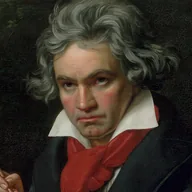 BeethovenSymphony No. 5 in C minor, Op. 67
In Beethoven’s Fifth the transition drives the four-note motif higher and higher, until a horn call announces the second subject in E-flat major. Even under the gentle new theme, the motif keeps knocking in the bass.
In Classical works the exposition carries a repeat sign. Performers do not always take it, but when they do, the return of the opening tells you that the exposition is over and is being heard again.