Forms · Unit 1: How form works
What is musical form?
Form is the shape of a piece of music in time: which sections it has, in what order, and which of them come back. A building has a plan you can walk through; a piece of music has one you can follow with your ears.
Almost every form is made from three simple actions. Repetition gives the ear something to hold on to, contrast brings in something new, and variation brings back the familiar in a changed form. A return, the strongest moment in many forms, is repetition after contrast. The forms in this course are different ways of combining the three.
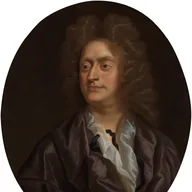 PurcellAbdelazer Suite: Rondeau
Purcell’s Rondeau, written in 1695 for a London stage play, is built from two kinds of music: a bouncing tune, the , and contrasting passages called . Here the refrain comes back for the first time, and you know at once where you are. Britten later made this tune the theme of his Young Person’s Guide to the Orchestra.
Form works through memory. A return only means something if you remember the music that is returning, which is why composers give their opening ideas clear shapes and rhythms. The more often you listen, the more of the plan you hold in your head.
Musicians write the plan with letters: A for the first music, B and C for new sections, A again for a return. A′ or A1 marks a return that has changed. The same letters describe a three-minute dance and a twenty-minute movement; only the scale is different.
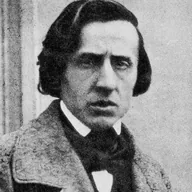 Chopin24 Preludes, Op. 28
In Chopin’s Raindrop Prelude a calm opening gives way to this dark middle section. The repeated note that sounded gently at the start now tolls like a bell. That is contrast, and when the calm music comes back you hear it differently.
Form is not a mould the composer pours music into. No two rondos or sonata movements are alike, and great composers often play with what the listener expects. Knowing the usual plan is what lets you hear the surprises.