Forms · Unit 3: Variation
Theme and variations
In a theme is stated plainly and then repeated several times, each time changed. What usually stays the same is the theme’s length and its sequence of harmonies; almost everything else can change: the melody, the rhythm, the speed, the mode and the instruments.
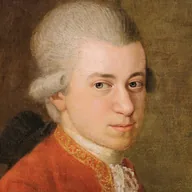 Mozart12 Variations on 'Ah vous dirai-je, Maman', K. 265
Mozart’s variations K. 265 are on a French song, Ah vous dirai-je, maman. English speakers know the tune as Twinkle, Twinkle, Little Star. Here it is, plain and simple, so you can follow it through what comes next.
In the variations Mozart hides the tune inside running notes, moves it to the left hand and turns it into a dialogue between the hands. The tune is still there, but you may have to listen through the decoration to find it.
Mozart12 Variations on 'Ah vous dirai-je, Maman', K. 265Variation 8 is the only one in a minor key. The change of mode darkens the familiar tune, a classic move in a set of variations.
Composers like to build a set towards its end. Late in the set there is often a slow variation, then a fast one and a coda. Mozart’s Variation 11 is an Adagio, and Variation 12 a quick finale in a new metre.
 HaydnSymphony No. 94 in G major, Hob. I:94
Haydn’s Surprise Symphony gives its slow movement a theme so simple that it lulls you: played softly, then even more softly, until the whole orchestra crashes in with one loud chord. Then the variations begin.
Haydn later told his biographer Georg August Griesinger that the loud chord was not meant to wake sleeping listeners, as the story goes. He wanted to surprise the London public with something new, at a time when a rival concert series was competing for its attention.