Forms · Unit 2: Forms that return
Rondo
A is built on a tune that keeps coming back, the . Between its returns come with new music. A short rondo runs A B A; a longer one A B A C A, sometimes with further episodes and a coda.
The refrain nearly always returns in the home key, and that is what makes each return feel like a homecoming. The episodes go elsewhere: to new keys, new melodies, a darker mood. Rondos are often finales, quick and good-humoured, but the plan suits slow, singing music too.
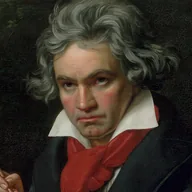 BeethovenPiano Sonata No. 8 in C minor, Op. 13
Beethoven himself called this C minor sonata pathétique when it was published in 1799, one of the very few titles he gave a sonata. Its slow movement is a rondo. Its melody, in A-flat major, has already returned once; here the second episode turns to a minor key, with restless triplets underneath.
When the melody comes back for the last time, Beethoven keeps the triplets of the episode in the accompaniment, so the return carries a memory of where the music has been.
BeethovenPiano Sonata No. 8 in C minor, Op. 13The finale is a rondo too, in C minor and much faster. Its refrain returns after an episode in E-flat major, as sharp-edged as before. Later the first episode comes back too, now in C major, which makes this finale a sonata-rondo, a form that comes later in this course.
Rondos make good listening practice, because the refrain is meant to be recognised at once. Learn it in the first half-minute and count its returns; everything in between is an episode.