Forms · Unit 6: The concerto
Ritornello form
The Baroque concerto grew up around a simple contrast: the full group against a soloist or a small group of soloists. Vivaldi did more than anyone to set its pattern: three movements, fast, slow, fast, with the fast ones in ritornello form, named after the , Italian for a little return.
The movement opens with the ritornello for everyone, the . The soloists then play an episode, often lighter and more brilliant. The ritornello returns, usually shorter and in a new key, then another episode follows, and so on. The last ritornello is back in the home key and often repeats the opening exactly.
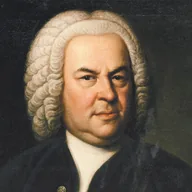 BachBrandenburg Concerto No. 2 in F major, BWV 1047
Bach’s six Brandenburg Concertos, dedicated in 1721 to the Margrave of Brandenburg, each use a different group of instruments; Bach gathered them from music he had already written. The Second has four soloists, a high trumpet, a recorder, an oboe and a violin, and opens with a bright ritornello for everyone.
BachBrandenburg Concerto No. 2 in F major, BWV 1047In the first episode the soloists pass a short theme from one to another, like a baton in a relay race. The trumpet, the highest of the four, catches the ear first, but the others are equal partners.
Ritornello form can look like a rondo, but there is a difference. A rondo’s refrain returns in the home key; a ritornello travels, and its returns in different keys mark the stages of the journey.
In Vivaldi’s Spring the ritornello comes back between the birdsong, the streams and the storm, each time a little shorter, and the full opening music returns only at the end.