Forms · Unit 1: How form works
Home key and away
Most music in this course has a home: a . A key is named after its main note, the , and the music feels settled when it rests there. Leaving home and coming back is the drama behind most of the forms you will meet.
Moving from one key to another is called . The most common destination is the key of the , built on the fifth note of the scale: in C major, that is G. A piece in a minor key more often moves to its , the major key that shares its notes, such as E-flat major for C minor.
Phrases end with a , a kind of musical punctuation. A cadence on the tonic chord sounds like a full stop; a cadence that stops on the dominant chord, a , sounds like a comma, waiting for more. These resting points divide the music into sentences.
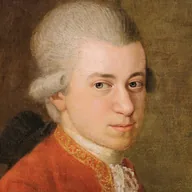 MozartPiano Sonata No. 16 in C major, K. 545
Mozart listed his Sonata in C major, K. 545, as a little sonata for beginners. It opens with a simple tune over a rocking left-hand accompaniment. This is home: C major.
MozartPiano Sonata No. 16 in C major, K. 545After a run of scales the music arrives in G major, the dominant, and a new theme begins. You may not be able to name the key, but you can hear that the ground has shifted: the music sounds as if it has travelled.
Composers use the pull of home to shape whole movements. Music in a new key feels like a journey, and its return to the tonic feels like an arrival. In sonata form that return is the turning point of the whole plan, so learning to feel it is worth the effort.