Forms · Unit 2: Forms that return
Ternary form
has three parts: a first section, a contrasting middle and the first section again, A B A. It is the plan of a journey out and back, and it is everywhere: in slow movements, in dances, in songs and in short piano pieces.
The middle section changes something you can name: the key, the mode, the speed, the texture or the instruments. The return is the heart of the form. Sometimes it is exact; more often it is shortened or decorated, and analysts write it as A′ or A1 to show that it has changed.
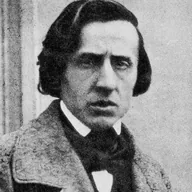 Chopin24 Preludes, Op. 28
Chopin’s Prelude in D-flat major, Op. 28 No. 15, is known as the Raindrop because a single note repeats through almost the whole piece. In the middle section the music darkens into C-sharp minor, and the same note, now written as G-sharp, becomes heavy and insistent as the music builds to two loud climaxes.
Chopin gave his preludes no titles, and the name Raindrop came later. It is often tied to George Sand’s memories of a rainy winter with Chopin in Majorca, but the piece was largely written before the trip, so the story is doubtful. The music needs no story: the repeated note carries the piece from calm into darkness and back.
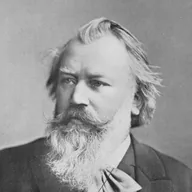 BrahmsSymphony No. 3 in F major, Op. 90
In the third movement of his Third Symphony, Brahms writes a long, sighing melody, first for the cellos. After a lighter middle section the melody returns, but now the horn plays it, then the woodwind: the same tune in new colours.
Larger forms grow from the same idea. A minuet and trio is a ternary form whose parts are themselves small forms, and many slow movements of symphonies and sonatas are ternary at heart.