Forms · Unit 2: Forms that return
Minuet and trio
The was a court dance in three beats, made fashionable in France in the time of Louis XIV. Classical composers made it the third movement of most symphonies and string quartets, and it appears in many sonatas too: a moment of dance between the weightier movements.
A minuet movement has three parts. First comes the minuet itself, then a second, contrasting dance called the , then the minuet again. The name trio comes from the Baroque habit of writing this middle dance for just three instruments; by Haydn’s time the scoring was free, but the name stayed.
Each dance is usually in two halves, each repeated. When the minuet returns after the trio, the score simply says , from the beginning, and the repeats are normally left out, so the return is shorter.
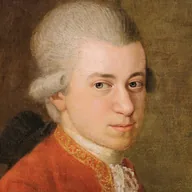 MozartSymphony No. 40 in G minor, K. 550
The minuet of Mozart’s Symphony No. 40 is anything but courtly: it is in G minor, with accents that cut across the three beats and phrases three bars long instead of the usual two or four. The trio brings relief, in G major, with the strings on one side and the woodwind and horns on the other, answering each other.
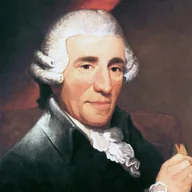 HaydnSymphony No. 104 in D major
In his last symphony Haydn takes the trio sideways into a distant key, with a gentle tune in the style of a country over plucked strings.
The plan is easy to hear. Listen for the change of colour that marks the trio: fewer instruments, a softer sound, a new key. When the opening music returns, you know the movement is nearing its end.