Path 02
Understanding sonata form
The form behind most first movements, heard six times, from a small sonata to a symphony.
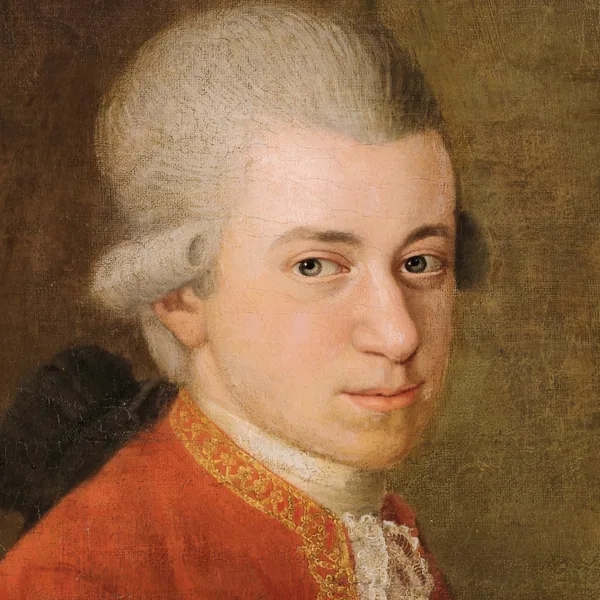
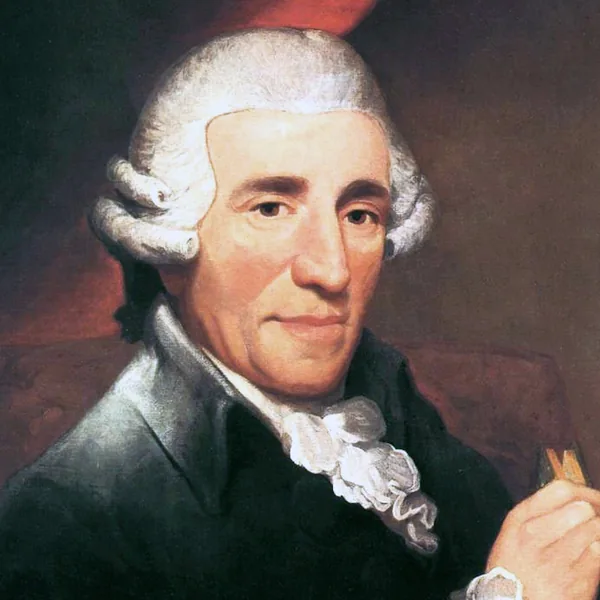
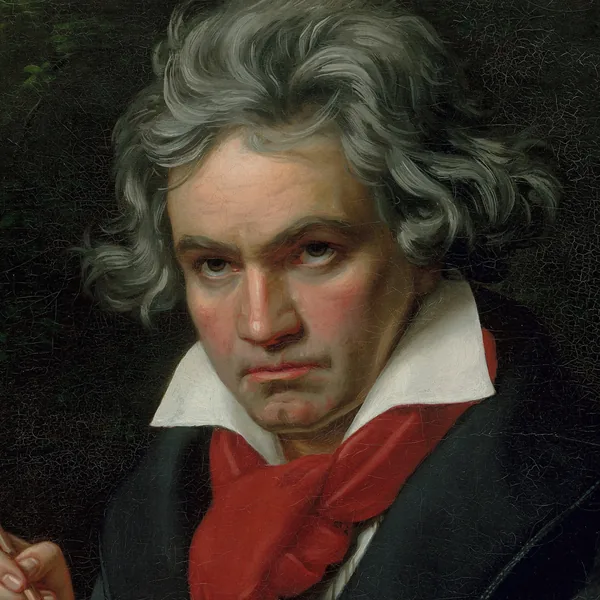
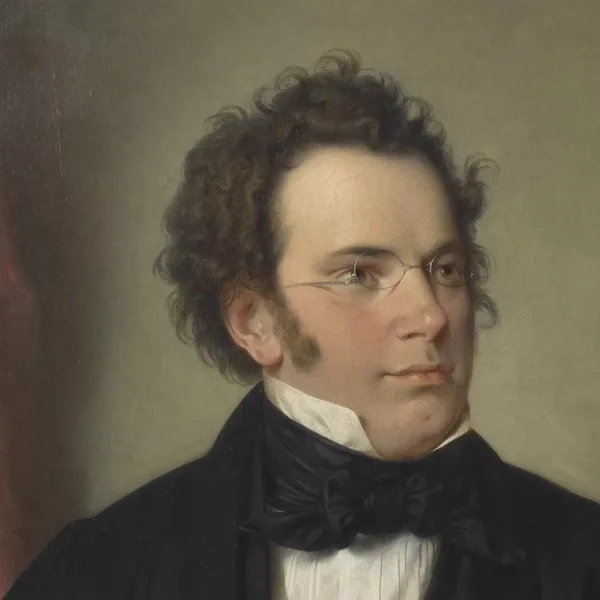
Mozart → Haydn → Beethoven → Schubert
This guide follows Haydn’s Symphony No. 104 in D major “London” (1795) in four parts: Adagio - Allegro (sonata form), Andante, Menuet: Allegro (minuet and trio) and Finale: Spiritoso (sonata form).
I Adagio - Allegro · Sonata form · 10 sections
A slow in D minor begins with a loud made only of fifths and fourths, so it is not clear at first whether the is major or minor. The is monothematic: the , marked as the , is the moved to A major. The begins in B minor. The restores the in D major, and a closes the .
A graceful in G major, stated softly by the strings and then varied; it falls into parts a, b and an a. A contrasting B section passes through G minor and B-flat major, and a leads back. Then the (A′) with altered rhythms and more prominent winds, especially the flute. The ends , with a in the horn.
A fast in D major. An eight- is played by the full orchestra, then repeated softly, and when the A music surprising pauses and trills appear. The is unusually in B-flat major, with a -like tune for oboe or bassoon and violin over plucked strings. A short brings the music back to D major.
The opens softly over a drone, a held D in horns and cellos, with the first violins playing a folk-like dance tune that recalls bagpipes and is often linked to a Croatian folk song. The is more lyrical. The mixes from the . The begins with no pause, and in the a D minor outburst interrupts before a simple question-and- .
Section boundaries in music are not always sharp; a transition may be felt over a pause or a held chord.
Analysis contributors: step6_buyer
 HaydnSymphony No. 1 in D major, Hob. I:1HaydnSymphony No. 44 in E minor, Hob. I:44HaydnSymphony No. 45 in F-sharp minor, Hob. I:45HaydnSymphony No. 81 in G major, Hob. I:81HaydnSymphony No. 87 in A major, Hob. I:87HaydnSymphony No. 82 in C major, Hob. I:82HaydnSymphony No. 88 in G major, Hob. I:88HaydnSymphony No. 94 in G major, Hob. I:94HaydnSymphony No. 100 in G majorHaydnSymphony No. 101 in D major
 BachTrio Sonata No. 1 in E-flat major, BWV 525HaydnHorn Concerto in D major, Hob. VIId:3HaydnPiano Sonata in A-flat major, Hob. XVI:46HaydnPiano Sonata in C minor, Hob. XVI:20HaydnString Quartet in A major, Op. 20 No. 6HaydnString Quartet in C major, Op. 20 No. 2HaydnString Quartet in D major, Op. 20 No. 4HaydnString Quartet in E-flat major, Op. 20 No. 1HaydnString Quartet in F minor, Op. 20 No. 5HaydnString Quartet in G minor, Op. 20 No. 3
Path 02
The form behind most first movements, heard six times, from a small sonata to a symphony.
Mozart → Haydn → Beethoven → Schubert
Path 03
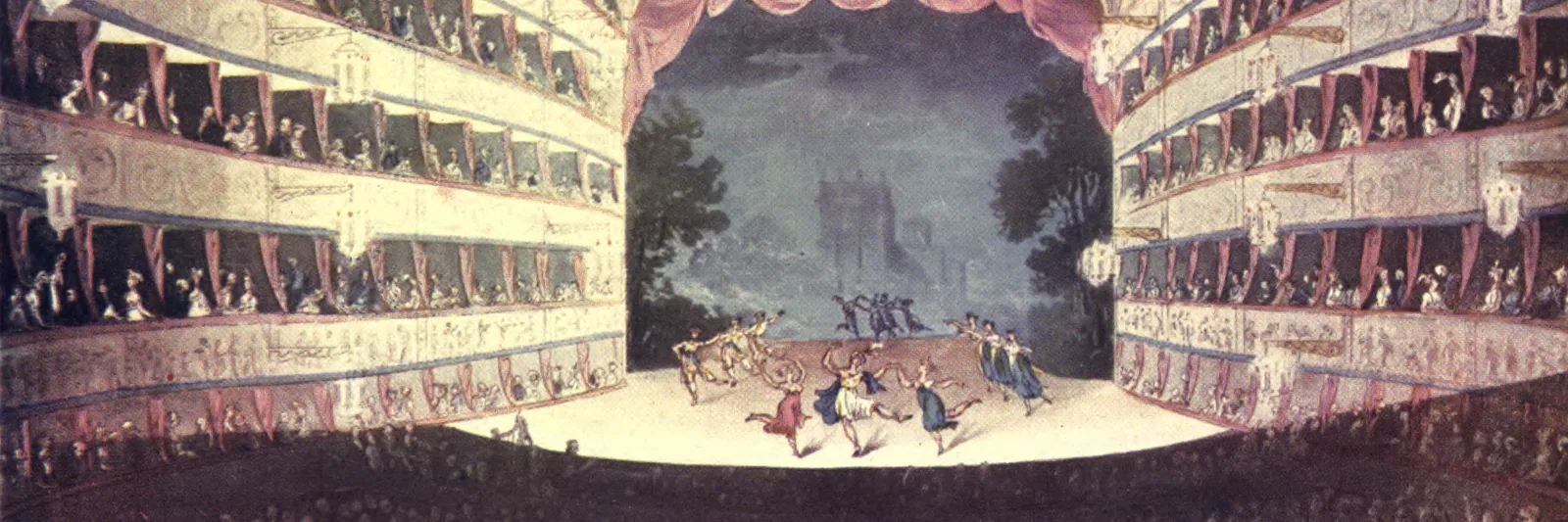
The last five of the twelve symphonies Haydn wrote for London audiences, 1794–95.
Haydn
Reviews