Path 01
Start here
Ten well-known works to learn the map on, each open in full to everyone.
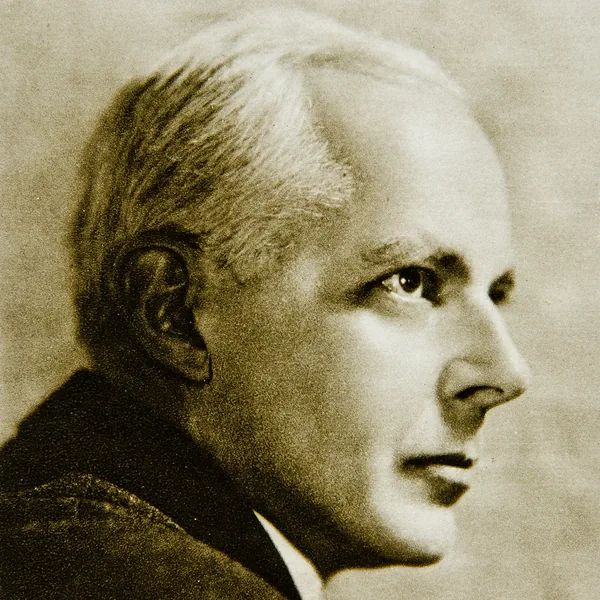
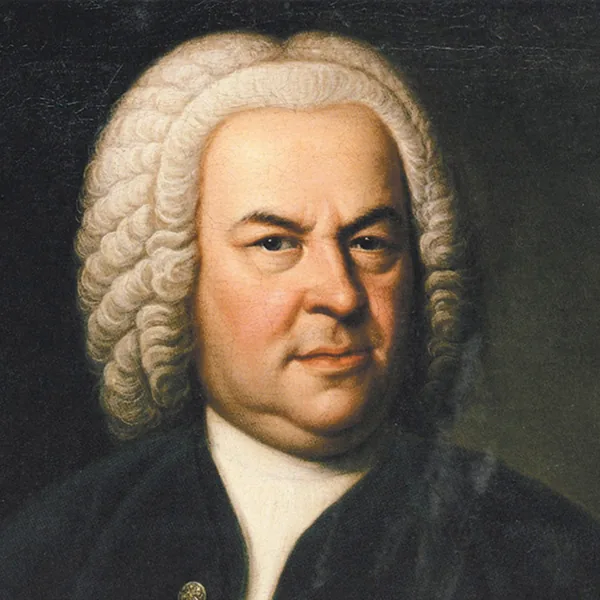
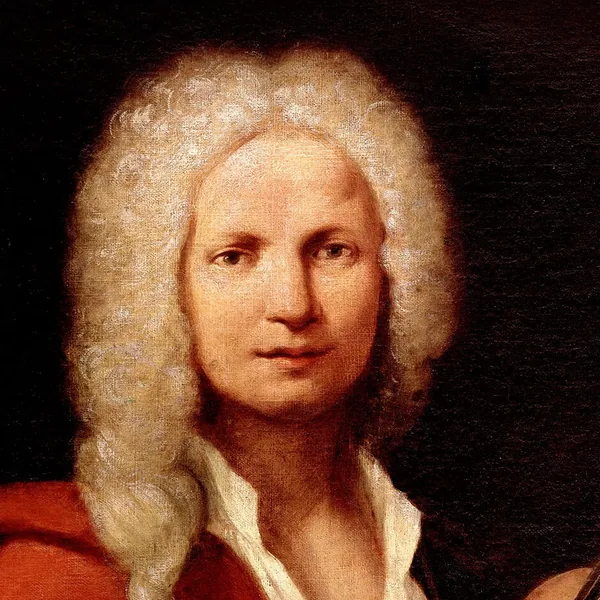
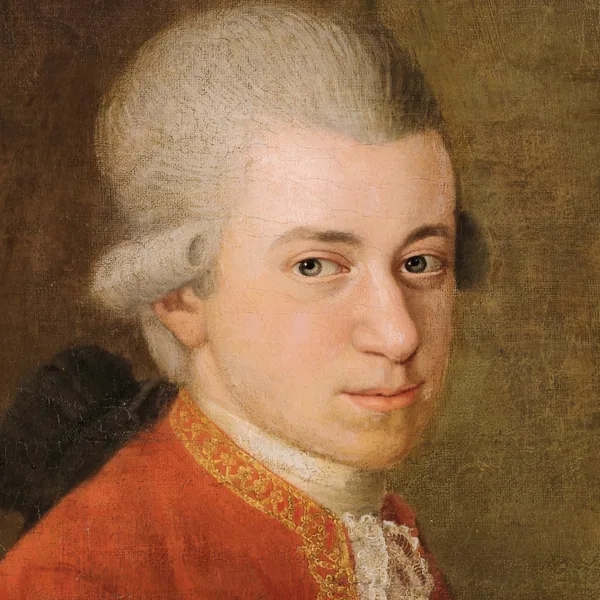
Pachelbel → Bach → Vivaldi → Mozart → Beethoven → Schubert → Chopin → Dvořák → Debussy
Listening paths · Path 19
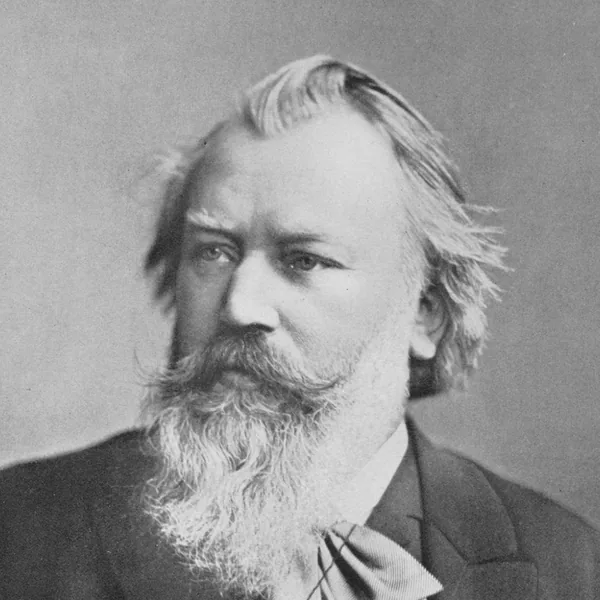
Brahms in twelve works, from the First Piano Concerto to the last of his piano pieces.
Brahms wrote no opera and almost no music that tells a story, but nearly every other genre is here: concertos, chamber music, a requiem, a dance, symphonies, an overture, and the short piano pieces of his last years. He loved the old forms, variation, passacaglia, fugue and strict sonata form, and filled them with Romantic warmth. The works run in the order he wrote them, from 1858 to 1893.
 BrahmsPiano Concerto No. 1 in D minor, Op. 15
It began as a sonata for two pianos and nearly became a symphony. The orchestra hurls out the stormy 1st Subject on its own, and when the piano finally enters it brings a quiet new melody instead. In the Rondo, section C is a fugato, an early sign of Brahms's taste for strict counterpoint.
BrahmsPiano Quintet in F minor, Op. 34Brahms tried this music as a string quintet and as a two-piano sonata before settling on piano and strings. All five players open in stark unison, Theme 2 lands in the remote key of C-sharp minor, and the finale ends with a Presto coda in 6/8 that drives to a fiery F minor close.
BrahmsEin deutsches Requiem, Op. 45Instead of the Latin Mass for the dead, Brahms chose German Bible texts that comfort the living. Fugues crown the second, third and sixth movements, and the work folds back on itself: the last movement's Coda returns to the music that closed the first, harps and all.
BrahmsHungarian Dance No. 5 in F-sharp minorBrahms thought this tune was a folk melody; it was in fact a csárdás by Béla Kéler. Written for one piano, four hands, it is a plain three-part dance: the minor-key A, a livelier B, then A once more. Brahms at his lightest.
BrahmsSymphony No. 1 in C minor, Op. 68Brahms said this symphony took him twenty-one years, with Beethoven's shadow over every page. At the Più andante in the finale's Introduction, horns play an alphorn tune he once sent Clara Schumann on a card, a trombone chorale answers, and then the broad 1st subject strides in.
BrahmsViolin Concerto in D major, Op. 77Written for Joseph Joachim, whose cadenza many violinists still play. The symphonist shows in the opening movement, where the orchestra sets out every theme before the Solo Exposition begins; the finale is a rondo with the flavour of a Hungarian dance.
BrahmsAcademic Festival Overture, Op. 80A thank-you to the University of Breslau for an honorary doctorate, built from student songs rather than new themes. Theme 2 is the Landesvater, the Closing is the comic Fuchs song led by the bassoons, and “Gaudeamus igitur”, the best-known student song of the lot, crowns the Coda.
BrahmsSymphony No. 3 in F major, Op. 90Three notes, F, A-flat and F, open the symphony in the winds and recur throughout, sometimes hidden in the bass beneath the main theme. Listen for them again in the finale's Coda, where the first movement's motto and opening come back to round off the whole work.
BrahmsSymphony No. 4 in E minor, Op. 98Brahms's love of old forms goes furthest here. The slow movement opens in the Phrygian mode, an old church scale, and the finale is a passacaglia: an eight-bar theme repeats while thirty variations unfold above it. At Variation 12 the music calms into a flute solo before the storm returns.
BrahmsClarinet Quintet in B minor, Op. 115Brahms had all but stopped composing when the clarinettist Richard Mühlfeld drew him back. The finale is a theme with five variations, the form Mozart chose for his own Clarinet Quintet, and its Coda turns back to the first violin's opening phrase from the first movement, closing the circle.
BrahmsThree Intermezzi for piano, No. 1, Op. 117 No. 1Brahms called this set lullabies of his grief. The tune sits in an inner voice, cradled between the top line and the bass; the middle section darkens into E-flat minor, and when E-flat major returns the same tune comes back wrapped in a rippling new accompaniment.
BrahmsFour Piano Pieces (Klavierstücke), No. 4: Rhapsodie, Op. 119 No. 4The last solo piano piece Brahms wrote is not a quiet farewell but a fanfare. Its theme moves in five-bar phrases that never settle into a square rhythm, the lyrical C Section in A-flat major stands at its centre, and the Coda ends, against expectation, in E-flat minor.
Path 01
Ten well-known works to learn the map on, each open in full to everyone.
Pachelbel → Bach → Vivaldi → Mozart → Beethoven → Schubert → Chopin → Dvořák → Debussy
Path 02
Twelve symphonies from Mozart's Fortieth to Shostakovich's Fifth, the core of the concert repertoire.
Mozart → Haydn → Beethoven → Schubert → Berlioz → Mendelssohn → Brahms → Mahler → Tchaikovsky → Dvořák → Shostakovich
Path 03
Twelve slow, quiet pieces, from Chopin's lullaby to Pärt's Fratres.
Chopin → Liszt → Wagner → Debussy → Massenet → Fauré → Grainger → Delius → Williams → Rachmaninoff → Pärt
Path 04
Ground bass, ritornello, fugue and dance: the Baroque in twelve works, from Purcell to Bach's Musical Offering.
Purcell → Pachelbel → Bach → Vivaldi → Handel → Scarlatti
Path 05
The form behind most first movements, heard twelve times, from a small sonata to a symphony.
Mozart → Haydn → Beethoven → Schubert → Mendelssohn → Brahms → Prokofiev
Path 06
Haydn's two London visits, 1791–95: six of the symphonies he wrote there, three piano sonatas, and what he took home to Vienna.
Haydn
Path 07
Short, complete works for a single sitting.
Bach → Mozart → Haydn → Beethoven → Schubert → Mendelssohn → Saint-Saëns → Sibelius → Ravel → Debussy → Gershwin → Copland
Path 08
Four players across almost two centuries: Haydn shapes the conversation, Bartók breaks it open, Shostakovich turns it inward.
Haydn → Mozart → Schubert → Beethoven → Dvořák → Debussy → Reger → Bartók → Shostakovich
Path 09
One work for each kind in the catalog, from the symphony to choral music.
Beethoven → Vivaldi → Debussy → Holst → Dvořák → Mozart → Chopin → Scarlatti → Bach → Schubert → Strauss → Handel
Path 10
From the First of 1800 to the Choral of 1824, in the order Beethoven wrote them.
Beethoven
Path 11
Soloist and orchestra across two and a half centuries, from Bach's harpsichord to Rostropovich's cello.
Bach → Vivaldi → Mozart → Beethoven → Mendelssohn → Tchaikovsky → Dvořák → Rachmaninoff → Ravel → Shostakovich
Path 12
Eleven short pieces from Field to Grieg, each holding one mood.
Field → Schubert → Mendelssohn → Chopin → Schumann → Liszt → Tchaikovsky → Rachmaninoff → Brahms → Grieg
Path 13
A poem, a voice and a piano, later an orchestra: from Schubert's first masterpieces to Strauss's last songs.
Schubert → Schumann → Wagner → Mahler → Debussy → Fauré → Strauss
Path 14
Two ways of making much from little: a theme changed again and again, and a subject passed from voice to voice.
Bach → Mozart → Haydn → Beethoven → Mendelssohn → Brahms → Elgar
Path 15
Fauré, Satie, Debussy, Chausson, Dukas and Ravel, from 1887 to 1920.
Fauré → Satie → Debussy → Chausson → Dukas → Ravel
Path 16
From Glinka to Shostakovich: a century of Russian music, in the order it was written.
Glinka → Balakirev → Mussorgsky → Borodin → Rimsky-Korsakov → Tchaikovsky → Rachmaninoff → Scriabin → Prokofiev → Shostakovich
Path 17
Nocturne, étude, mazurka, scherzo, ballade, polonaise, waltz: Chopin's genres in twelve works, in the order he wrote them.
Chopin
Path 18
Mozart in twelve works, from a motet written at sixteen to the Requiem he left unfinished.
Mozart
Path 20
Twelve piano sonatas from Mozart and Haydn to Prokofiev's war sonata of 1942.
Mozart → Haydn → Beethoven → Schubert → Chopin → Liszt → Berg → Bartók → Prokofiev
Path 21
Two French composers side by side, often compared and often confused, from 1891 to Boléro in 1928.
Debussy → Ravel
Path 22
Ten violin concertos, from Beethoven's of 1806 to Sibelius's of 1904.
Beethoven → Paganini → Mendelssohn → Wieniawski → Bruch → Lalo → Brahms → Tchaikovsky → Dvořák → Sibelius
Path 23
The late Romantic orchestra at its largest: Bruckner's and Mahler's symphonies and Strauss's tone poems, 1880 to 1945.
Bruckner → Mahler → Strauss
Path 24
Folk songs, dances and landscapes, from Liszt's Hungary to Márquez's Mexico.
Liszt → Smetana → Grieg → Albéniz → Dvořák → Sibelius → Elgar → Williams → Janáček → Villa-Lobos → Rodrigo → Márquez
Path 25
Choirs from Handel's coronation anthem to Ligeti's cloud of voices: masses, requiems and psalms, 1727 to 1966.
Handel → Mozart → Brahms → Verdi → Fauré → Orff → Messiaen → Bernstein → Ligeti
Path 26
Twelve overtures from Mozart's Figaro to Bernstein's Candide, each a complete piece in a few minutes.
Mozart → Beethoven → Rossini → Weber → Mendelssohn → Wagner → Berlioz → Offenbach → Brahms → Tchaikovsky → Bernstein
Path 27
Twelve directions the century took, from Schoenberg's Verklärte Nacht of 1899 to Piazzolla's tango of 1982.
Schoenberg → Ives → Bartók → Holst → Gershwin → Barber → Prokofiev → Copland → Ligeti → Górecki → Piazzolla