Path 01
Start here
Ten well-known works to learn the map on, each open in full to everyone.
Pachelbel → Bach → Vivaldi → Mozart → Beethoven → Schubert → Chopin → Dvořák → Debussy
Listening paths · Path 18
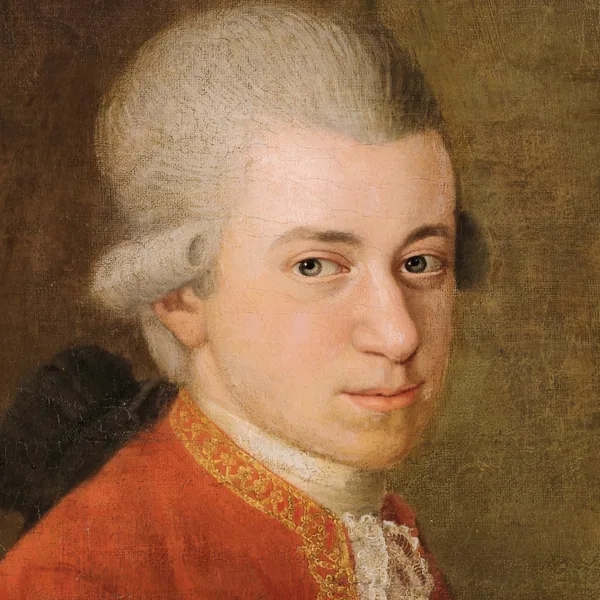
Mozart in twelve works, from a motet written at sixteen to the Requiem he left unfinished.
Mozart wrote in every genre of his time and was at home in all of them. This path takes one or two works from each: a motet for a star singer; concertos for flute and harp, for violin and viola, for piano, horn and clarinet; the sonata with the Turkish march; the serenade everyone knows; his last two symphonies; the overture to The Magic Flute; and the Requiem. They run in the order he wrote them, from Milan in 1773 to Vienna in 1791.
 MozartExsultate, jubilate, K. 165
A motet written at sixteen in Milan for the castrato Venanzio Rauzzini: an Allegro laid out on a concerto plan, a recitative and slow aria, and the Alleluja, where a single word carries the singer through a lively, rondo-like finale.
MozartConcerto for Flute and Harp in C major, K. 299Ordered in Paris in 1778 by a flute-playing duke for himself and his harpist daughter; Mozart's only work for harp. The orchestra's opening Ritornello holds both themes, and the Rondeau's long refrain comes back once in the minor (A′).
MozartSinfonia concertante in E-flat major, K. 364Half symphony, half concerto, for violin and viola as equals. They enter together on a high E-flat in octaves; the C minor Andante is more tragic aria than conversation, the two echoing each other, before a playful Presto.
MozartPiano Sonata No. 11 in A major, K. 331A sonata with no sonata-form movement: a theme and six variations, a minuet and trio, and the “Alla turca” rondo. Each variation keeps the theme's eight-plus-ten-bar layout while the figuration changes; the finale's loud march in octaves is the famous part.
MozartPiano Concerto No. 21 in C major, K. 467Festive C major with trumpets and drums, opened by a quiet march in the strings. Then the Andante: a dreamlike violin melody over muted strings and plucked basses, the music that gave the concerto its “Elvira Madigan” nickname from a 1967 film.
MozartHorn Concerto No. 4 in E-flat major, K. 495For Mozart's old friend Joseph Leutgeb, on a horn without valves: the chromatic lines in the Development need hand-stopping in the bell. A song-like Romanza follows, then a 6/8 rondo whose Refrain sounds like a hunting call.
MozartSerenade No. 13 in G major, K. 525Finished in 1787 while Mozart was at work on Don Giovanni. Four movements survive: a sonata-form Allegro, a Romanze, a minuet with a trio and a rondo finale; a second minuet listed in his catalogue is lost.
MozartSymphony No. 40 in G minor, K. 550One of only two Mozart symphonies in a minor key, finished in the summer of 1788 between Nos. 39 and 41. A sighing half-step drives the first movement, the minuet's accents trip across the bar line, and the finale stays in the minor to the end.
MozartSymphony No. 41 in C major, K. 551His last symphony, in C major with trumpets and drums. The finale opens with four long notes, C, D, F, E, already heard in the trio, mixes fugato with singing tunes, and in the Coda piles five themes on top of one another.
MozartClarinet Concerto in A major, K. 622Written in 1791 for Anton Stadler and his basset clarinet, which reaches lower than the usual instrument. The soloist roams the whole range in the Solo Exposition, sings the long theme of the Adagio and shows off the dark low notes in the Rondo's episode C.
MozartThe Magic Flute Overture, K. 620Composed last, just before the opera's premiere in 1791. Solemn Adagio chords open it; the Allegro treats one theme like a fugue; the chords return for winds alone before the Development, where the entries overlap in stretto.
MozartRequiem in D minor, K. 626His last work, commissioned anonymously and left unfinished. Listen for the contrasts: a lone trombone opening the Tuba mirum, the chorus crying “Rex!” in the orchestra's pauses, and the Confutatis setting the damned (A) against soft high voices (B).
Path 01
Ten well-known works to learn the map on, each open in full to everyone.
Pachelbel → Bach → Vivaldi → Mozart → Beethoven → Schubert → Chopin → Dvořák → Debussy
Path 02
Twelve symphonies from Mozart's Fortieth to Shostakovich's Fifth, the core of the concert repertoire.
Mozart → Haydn → Beethoven → Schubert → Berlioz → Mendelssohn → Brahms → Mahler → Tchaikovsky → Dvořák → Shostakovich
Path 03
Twelve slow, quiet pieces, from Chopin's lullaby to Pärt's Fratres.
Chopin → Liszt → Wagner → Debussy → Massenet → Fauré → Grainger → Delius → Williams → Rachmaninoff → Pärt
Path 04
Ground bass, ritornello, fugue and dance: the Baroque in twelve works, from Purcell to Bach's Musical Offering.
Purcell → Pachelbel → Bach → Vivaldi → Handel → Scarlatti
Path 05
The form behind most first movements, heard twelve times, from a small sonata to a symphony.
Mozart → Haydn → Beethoven → Schubert → Mendelssohn → Brahms → Prokofiev
Path 06
Haydn's two London visits, 1791–95: six of the symphonies he wrote there, three piano sonatas, and what he took home to Vienna.
Haydn
Path 07
Short, complete works for a single sitting.
Bach → Mozart → Haydn → Beethoven → Schubert → Mendelssohn → Saint-Saëns → Sibelius → Ravel → Debussy → Gershwin → Copland
Path 08
Four players across almost two centuries: Haydn shapes the conversation, Bartók breaks it open, Shostakovich turns it inward.
Haydn → Mozart → Schubert → Beethoven → Dvořák → Debussy → Reger → Bartók → Shostakovich
Path 09
One work for each kind in the catalog, from the symphony to choral music.
Beethoven → Vivaldi → Debussy → Holst → Dvořák → Mozart → Chopin → Scarlatti → Bach → Schubert → Strauss → Handel
Path 10
From the First of 1800 to the Choral of 1824, in the order Beethoven wrote them.
Beethoven
Path 11
Soloist and orchestra across two and a half centuries, from Bach's harpsichord to Rostropovich's cello.
Bach → Vivaldi → Mozart → Beethoven → Mendelssohn → Tchaikovsky → Dvořák → Rachmaninoff → Ravel → Shostakovich
Path 12
Eleven short pieces from Field to Grieg, each holding one mood.
Field → Schubert → Mendelssohn → Chopin → Schumann → Liszt → Tchaikovsky → Rachmaninoff → Brahms → Grieg
Path 13
A poem, a voice and a piano, later an orchestra: from Schubert's first masterpieces to Strauss's last songs.
Schubert → Schumann → Wagner → Mahler → Debussy → Fauré → Strauss
Path 14
Two ways of making much from little: a theme changed again and again, and a subject passed from voice to voice.
Bach → Mozart → Haydn → Beethoven → Mendelssohn → Brahms → Elgar
Path 15
Fauré, Satie, Debussy, Chausson, Dukas and Ravel, from 1887 to 1920.
Fauré → Satie → Debussy → Chausson → Dukas → Ravel
Path 16
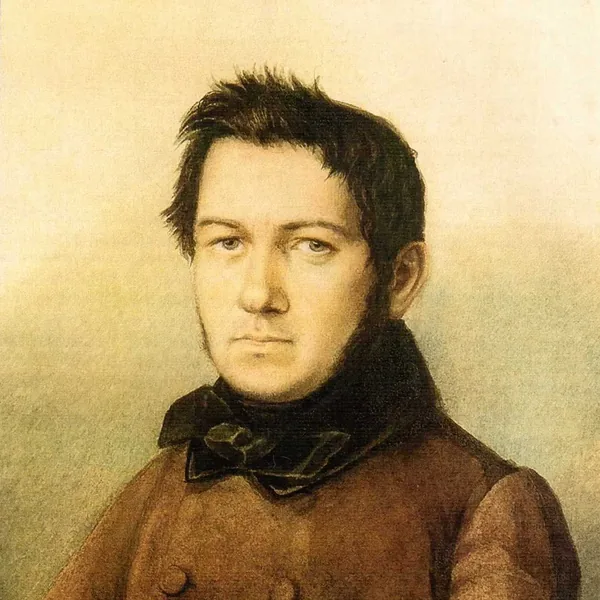
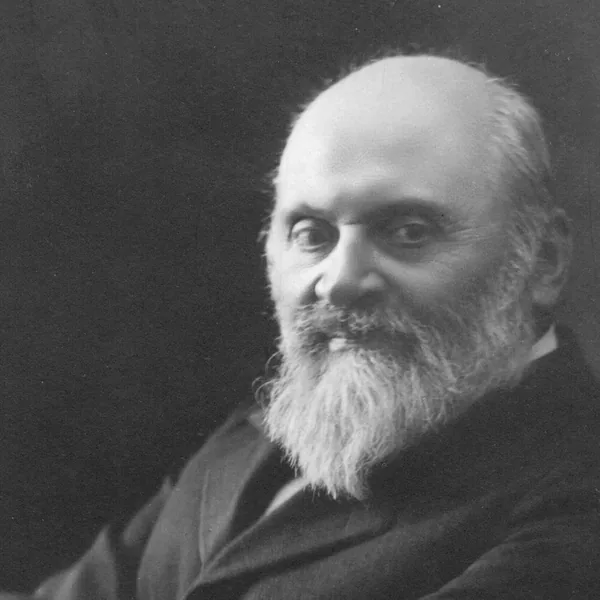
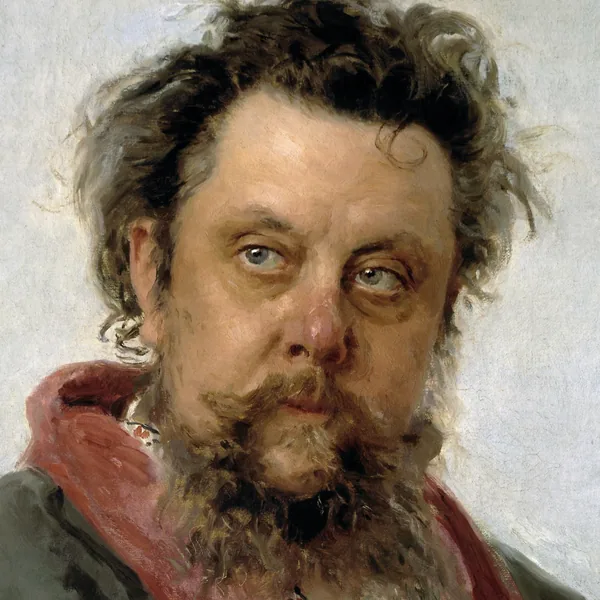
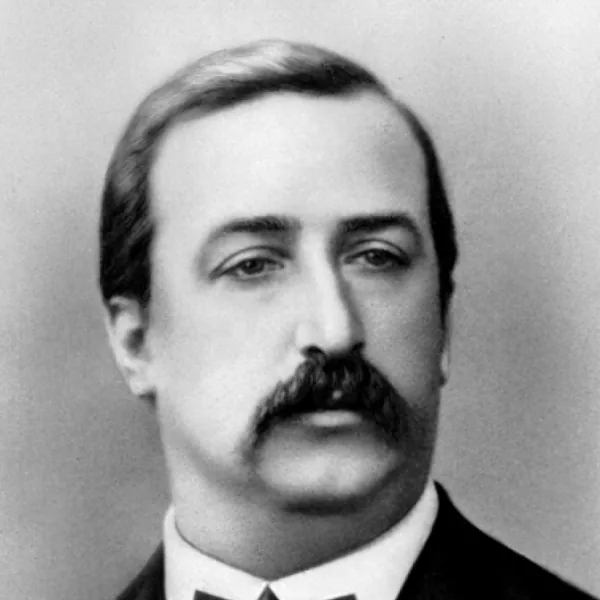
From Glinka to Shostakovich: a century of Russian music, in the order it was written.
Glinka → Balakirev → Mussorgsky → Borodin → Rimsky-Korsakov → Tchaikovsky → Rachmaninoff → Scriabin → Prokofiev → Shostakovich
Path 17
Nocturne, étude, mazurka, scherzo, ballade, polonaise, waltz: Chopin's genres in twelve works, in the order he wrote them.
Chopin
Path 19
Brahms in twelve works, from the First Piano Concerto to the last of his piano pieces.
Brahms
Path 20
Twelve piano sonatas from Mozart and Haydn to Prokofiev's war sonata of 1942.
Mozart → Haydn → Beethoven → Schubert → Chopin → Liszt → Berg → Bartók → Prokofiev
Path 21
Two French composers side by side, often compared and often confused, from 1891 to Boléro in 1928.
Debussy → Ravel
Path 22
Ten violin concertos, from Beethoven's of 1806 to Sibelius's of 1904.
Beethoven → Paganini → Mendelssohn → Wieniawski → Bruch → Lalo → Brahms → Tchaikovsky → Dvořák → Sibelius
Path 23
The late Romantic orchestra at its largest: Bruckner's and Mahler's symphonies and Strauss's tone poems, 1880 to 1945.
Bruckner → Mahler → Strauss
Path 24
Folk songs, dances and landscapes, from Liszt's Hungary to Márquez's Mexico.
Liszt → Smetana → Grieg → Albéniz → Dvořák → Sibelius → Elgar → Williams → Janáček → Villa-Lobos → Rodrigo → Márquez
Path 25
Choirs from Handel's coronation anthem to Ligeti's cloud of voices: masses, requiems and psalms, 1727 to 1966.
Handel → Mozart → Brahms → Verdi → Fauré → Orff → Messiaen → Bernstein → Ligeti
Path 26
Twelve overtures from Mozart's Figaro to Bernstein's Candide, each a complete piece in a few minutes.
Mozart → Beethoven → Rossini → Weber → Mendelssohn → Wagner → Berlioz → Offenbach → Brahms → Tchaikovsky → Bernstein
Path 27
Twelve directions the century took, from Schoenberg's Verklärte Nacht of 1899 to Piazzolla's tango of 1982.
Schoenberg → Ives → Bartók → Holst → Gershwin → Barber → Prokofiev → Copland → Ligeti → Górecki → Piazzolla