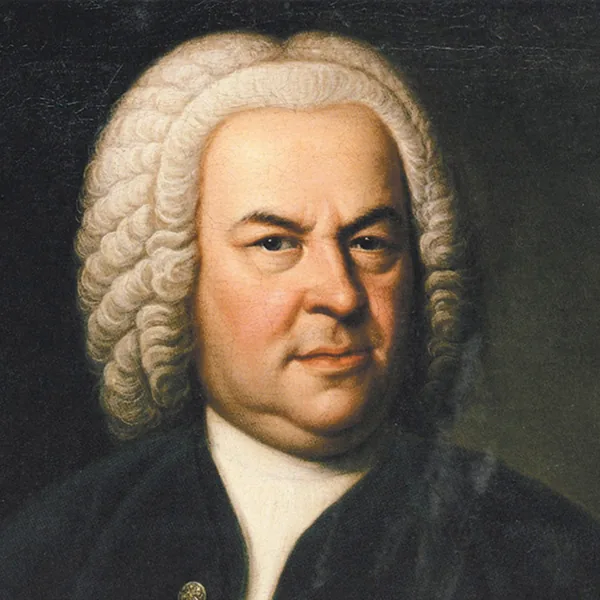
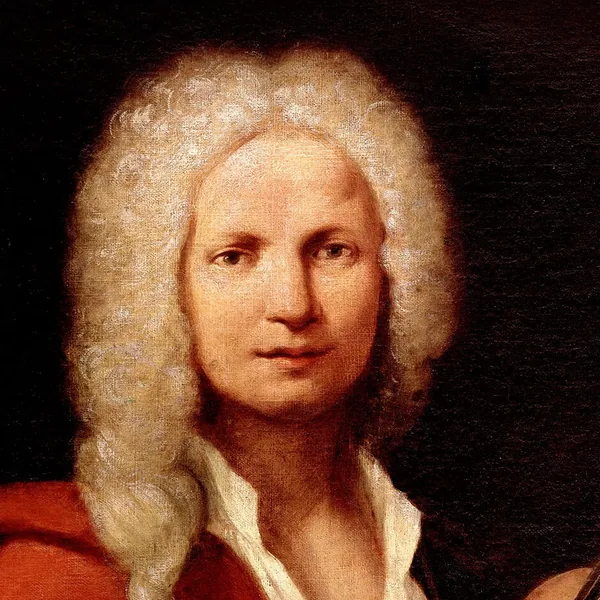
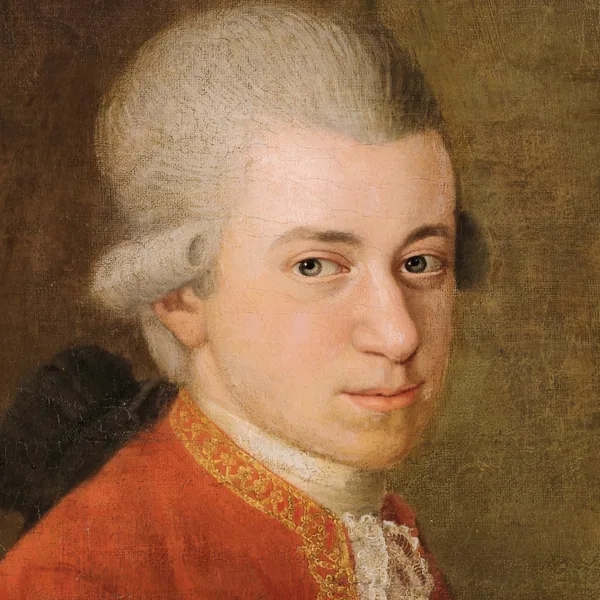
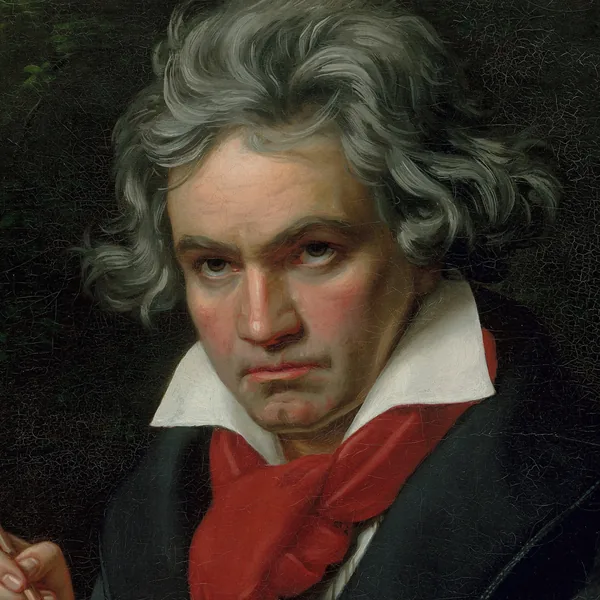
Path 01
Start here
Ten well-known works to learn the map on, each open in full to everyone.
Pachelbel → Bach → Vivaldi → Mozart → Beethoven → Schubert → Chopin → Dvořák → Debussy
Listening paths · Path 23
The late Romantic orchestra at its largest: Bruckner's and Mahler's symphonies and Strauss's tone poems, 1880 to 1945.
In the last decades of the nineteenth century the Austro-German symphony grew to a size its founders could not have imagined. Bruckner built vast movements from blocks of sound separated by silence; Mahler said a symphony must be like the world and contain everything; Strauss turned the orchestra into a storyteller, with a seducer, a dying artist, a prankster and a hero. The path follows the three of them through the same years, in the order the works were written, and ends with Strauss's lament of 1945.
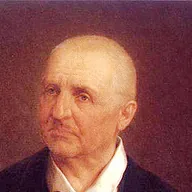 BrucknerSymphony No. 4 in E-flat major, WAB 104
The title “Romantic” is Bruckner's own. Soft string tremolo, like morning mist, opens the symphony under a solo horn call; the 2nd subject is a bird's song, and the Scherzo is a hunt for the brass. In the finale's Coda the first movement's opening theme comes back to close the circle.
BrucknerSymphony No. 7 in E major, WAB 107The Adagio is Bruckner's funeral music for Wagner, who died while he was writing it: violas and four Wagner tubas sound the grave A theme, and the Coda is the lament itself. Around it, the first movement's two-octave melody returns in the finale, reshaped and sped up.
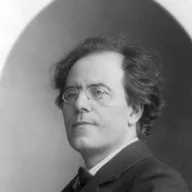 MahlerSymphony No. 1 in D major
The Introduction is nature waking: a held A in the strings, fanfares from offstage trumpets, a cuckoo-like call. Mahler's First already holds a whole world, from a stamping Ländler to a finale that fights its way to a breakthrough in D major and a victory chorale.
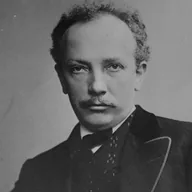 StraussDon Juan, Op. 20
The tone poem that made Strauss's name in his mid-twenties. The hero's theme keeps returning between the love scenes, a solo violin for the Countess and a long oboe song for Anna. Near the end the music stops, and a dissonant trumpet note marks the fatal stroke.
StraussTod und Verklärung (Death and Transfiguration), Op. 24Strauss composed the music first and only then asked Alexander Ritter for a poem to fit it. Its four parts follow an artist on his deathbed, from the quiet sickroom of Part 1 through battle and feverish memory to the Transfiguration, where the theme of the ideal is reached at last.
BrucknerSymphony No. 8 in C minor, WAB 108 (1890 version, ed. Haas)Bruckner's Eighth moves from darkness to blaze. The first movement's Coda dies away quietly, rare in his outer movements; the Adagio, with harps, comes third; and in the finale's Coda the main themes of all four movements sound together.
MahlerSymphony No. 2 in C minorMahler heard Klopstock's resurrection ode sung at Hans von Bülow's funeral and built his finale on it. The symphony travels from a C minor funeral march through a gentle Ländler and the alto song Urlicht to a chorus that enters almost inaudibly and a Coda in E-flat major with tolling bells.
StraussTill Eulenspiegels lustige Streiche, Op. 28A medieval prankster's story “in rondeau form”, as Strauss's subtitle has it. The map follows the pranks, from the Market Scene and the Sermon in disguise to the Theology Professors; then come the Court Scene and the hanging, and the Epilog brings back the once-upon-a-time opening.
StraussEin Heldenleben, Op. 40Strauss set this hero in the line of Beethoven's Eroica, with plenty of horns. The leaping hero's theme opens in horns and low strings; mocking woodwinds play his critics, a solo violin his companion, and the works of peace quote Strauss's own earlier pieces before a gentle E-flat major close.
MahlerSymphony No. 5 in C-sharp minorFive movements in three parts, from a C-sharp minor funeral march to a D major finale. The Adagietto is for strings and harp alone, and the Rondo-Finale draws its refrain from the brass chorale that broke through, and collapsed, near the end of the second movement.
MahlerSymphony No. 9 in D majorThe last symphony Mahler finished, and one he never heard. It grows out of near silence with a hesitant, syncopated rhythm, and it ends with an Adagio for strings that becomes ever softer, its final note marked “ersterbend”, dying away.
StraussMetamorphosen, TrV 290Strauss finished it in April 1945, with Germany's opera houses in ruins. Its themes keep changing shape from one section to the next, and in the final pages the lower strings quote Beethoven's Eroica, the symphony Ein Heldenleben had once taken as its model.
Path 01
Ten well-known works to learn the map on, each open in full to everyone.
Pachelbel → Bach → Vivaldi → Mozart → Beethoven → Schubert → Chopin → Dvořák → Debussy
Path 02
Twelve symphonies from Mozart's Fortieth to Shostakovich's Fifth, the core of the concert repertoire.
Mozart → Haydn → Beethoven → Schubert → Berlioz → Mendelssohn → Brahms → Mahler → Tchaikovsky → Dvořák → Shostakovich
Path 03
Twelve slow, quiet pieces, from Chopin's lullaby to Pärt's Fratres.
Chopin → Liszt → Wagner → Debussy → Massenet → Fauré → Grainger → Delius → Williams → Rachmaninoff → Pärt
Path 04
Ground bass, ritornello, fugue and dance: the Baroque in twelve works, from Purcell to Bach's Musical Offering.
Purcell → Pachelbel → Bach → Vivaldi → Handel → Scarlatti
Path 05
The form behind most first movements, heard twelve times, from a small sonata to a symphony.
Mozart → Haydn → Beethoven → Schubert → Mendelssohn → Brahms → Prokofiev
Path 06
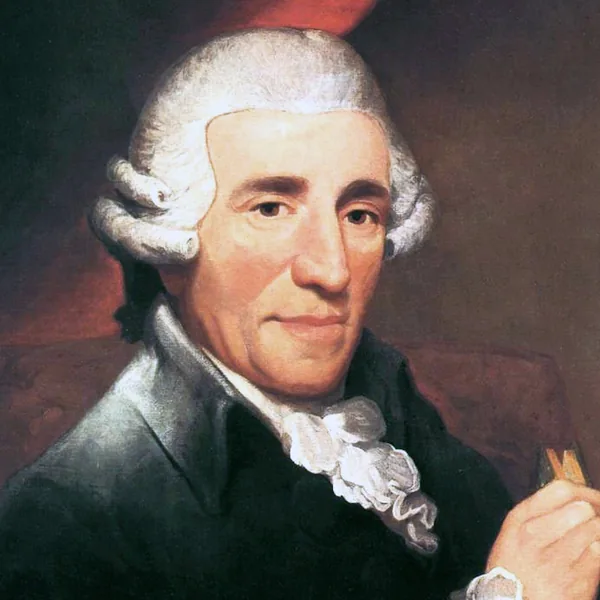
Haydn's two London visits, 1791–95: six of the symphonies he wrote there, three piano sonatas, and what he took home to Vienna.
Haydn
Path 07
Short, complete works for a single sitting.
Bach → Mozart → Haydn → Beethoven → Schubert → Mendelssohn → Saint-Saëns → Sibelius → Ravel → Debussy → Gershwin → Copland
Path 08
Four players across almost two centuries: Haydn shapes the conversation, Bartók breaks it open, Shostakovich turns it inward.
Haydn → Mozart → Schubert → Beethoven → Dvořák → Debussy → Reger → Bartók → Shostakovich
Path 09
One work for each kind in the catalog, from the symphony to choral music.
Beethoven → Vivaldi → Debussy → Holst → Dvořák → Mozart → Chopin → Scarlatti → Bach → Schubert → Strauss → Handel
Path 10
From the First of 1800 to the Choral of 1824, in the order Beethoven wrote them.
Beethoven
Path 11
Soloist and orchestra across two and a half centuries, from Bach's harpsichord to Rostropovich's cello.
Bach → Vivaldi → Mozart → Beethoven → Mendelssohn → Tchaikovsky → Dvořák → Rachmaninoff → Ravel → Shostakovich
Path 12
Eleven short pieces from Field to Grieg, each holding one mood.
Field → Schubert → Mendelssohn → Chopin → Schumann → Liszt → Tchaikovsky → Rachmaninoff → Brahms → Grieg
Path 13
A poem, a voice and a piano, later an orchestra: from Schubert's first masterpieces to Strauss's last songs.
Schubert → Schumann → Wagner → Mahler → Debussy → Fauré → Strauss
Path 14
Two ways of making much from little: a theme changed again and again, and a subject passed from voice to voice.
Bach → Mozart → Haydn → Beethoven → Mendelssohn → Brahms → Elgar
Path 15
Fauré, Satie, Debussy, Chausson, Dukas and Ravel, from 1887 to 1920.
Fauré → Satie → Debussy → Chausson → Dukas → Ravel
Path 16
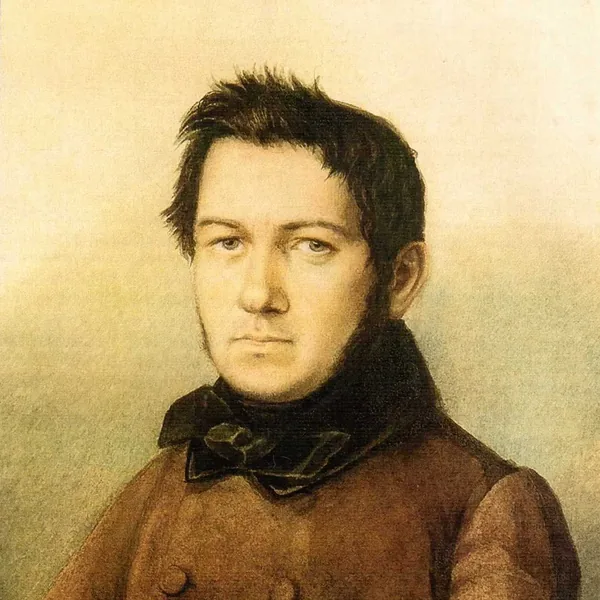
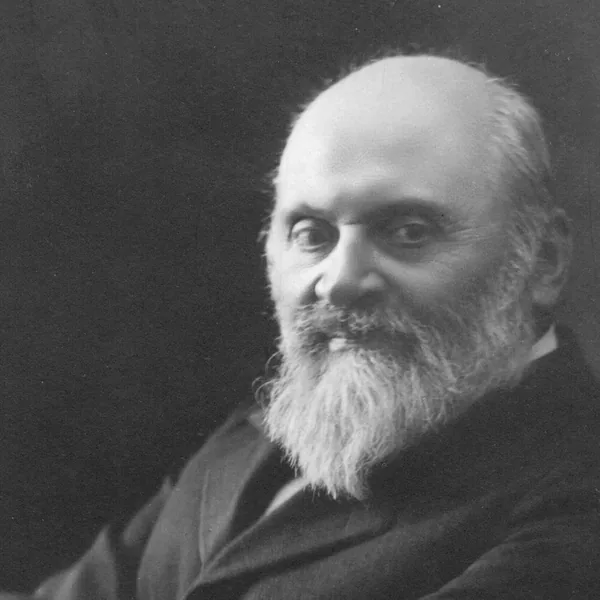
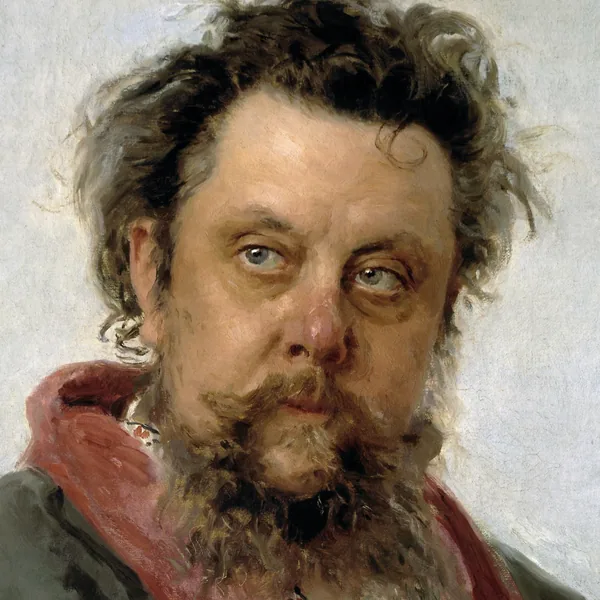
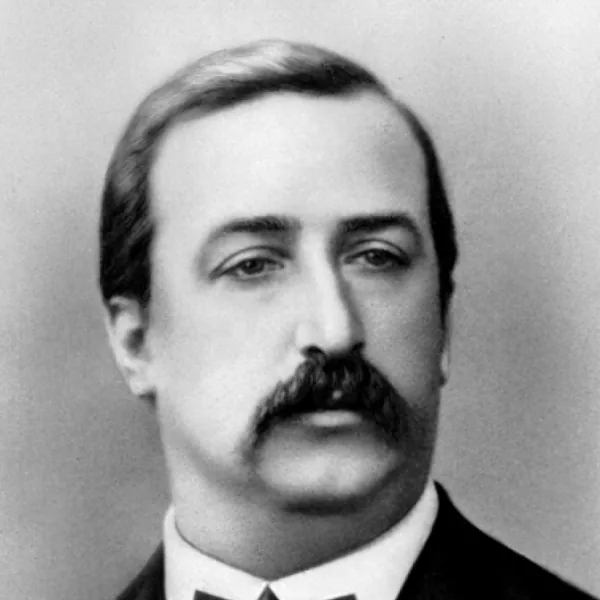
From Glinka to Shostakovich: a century of Russian music, in the order it was written.
Glinka → Balakirev → Mussorgsky → Borodin → Rimsky-Korsakov → Tchaikovsky → Rachmaninoff → Scriabin → Prokofiev → Shostakovich
Path 17
Nocturne, étude, mazurka, scherzo, ballade, polonaise, waltz: Chopin's genres in twelve works, in the order he wrote them.
Chopin
Path 18
Mozart in twelve works, from a motet written at sixteen to the Requiem he left unfinished.
Mozart
Path 19
Brahms in twelve works, from the First Piano Concerto to the last of his piano pieces.
Brahms
Path 20
Twelve piano sonatas from Mozart and Haydn to Prokofiev's war sonata of 1942.
Mozart → Haydn → Beethoven → Schubert → Chopin → Liszt → Berg → Bartók → Prokofiev
Path 21
Two French composers side by side, often compared and often confused, from 1891 to Boléro in 1928.
Debussy → Ravel
Path 22
Ten violin concertos, from Beethoven's of 1806 to Sibelius's of 1904.
Beethoven → Paganini → Mendelssohn → Wieniawski → Bruch → Lalo → Brahms → Tchaikovsky → Dvořák → Sibelius
Path 24
Folk songs, dances and landscapes, from Liszt's Hungary to Márquez's Mexico.
Liszt → Smetana → Grieg → Albéniz → Dvořák → Sibelius → Elgar → Williams → Janáček → Villa-Lobos → Rodrigo → Márquez
Path 25
Choirs from Handel's coronation anthem to Ligeti's cloud of voices: masses, requiems and psalms, 1727 to 1966.
Handel → Mozart → Brahms → Verdi → Fauré → Orff → Messiaen → Bernstein → Ligeti
Path 26
Twelve overtures from Mozart's Figaro to Bernstein's Candide, each a complete piece in a few minutes.
Mozart → Beethoven → Rossini → Weber → Mendelssohn → Wagner → Berlioz → Offenbach → Brahms → Tchaikovsky → Bernstein
Path 27
Twelve directions the century took, from Schoenberg's Verklärte Nacht of 1899 to Piazzolla's tango of 1982.
Schoenberg → Ives → Bartók → Holst → Gershwin → Barber → Prokofiev → Copland → Ligeti → Górecki → Piazzolla