Path 01
Understanding sonata form
The form behind most first movements, heard six times, from a small sonata to a symphony.
Mozart → Haydn → Beethoven → Schubert
Listening paths · Path 03
Short, complete works for a single sitting.
Every work here lasts about ten minutes or less from start to finish, and each has a clear form you can follow on the map in one listening.
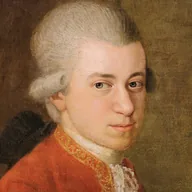 MozartPiano Sonata No. 16 in C major, K. 545
Mozart listed it as a little sonata for beginners: three movements in a few minutes.
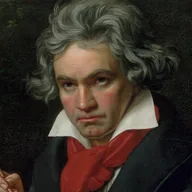 BeethovenPiano Sonata No. 20 in G major, Op. 49 No. 2
Two movements. The tune of the minuet also appears in Beethoven's Septet.
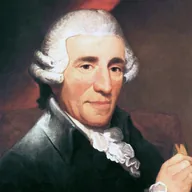 HaydnPiano Sonata in D major, Hob. XVI:51
Two quick movements in D major, from Haydn's last years at the keyboard.
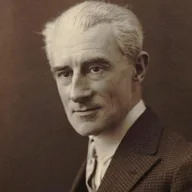 RavelJeux d'eau, M. 30
Water on the piano, 1901. Under the glitter there are two themes, laid out much like a sonata movement.
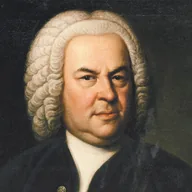 BachFantasia and Fugue in C minor, BWV 537
A free, searching fantasia, then a fugue whose subject keeps returning in a different voice.
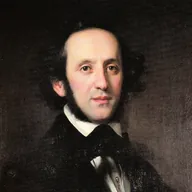 MendelssohnThe Hebrides (Fingal's Cave), Op. 26
A concert overture in sonata form; the rolling figure in the low strings at the start is the sea.
Path 01
The form behind most first movements, heard six times, from a small sonata to a symphony.
Mozart → Haydn → Beethoven → Schubert
Path 02
The last five of the twelve symphonies Haydn wrote for London audiences, 1794–95.
Haydn
Path 04
Four players across a century and a half: Haydn shapes the conversation, Bartók breaks it open.
Haydn → Reger → Bartók