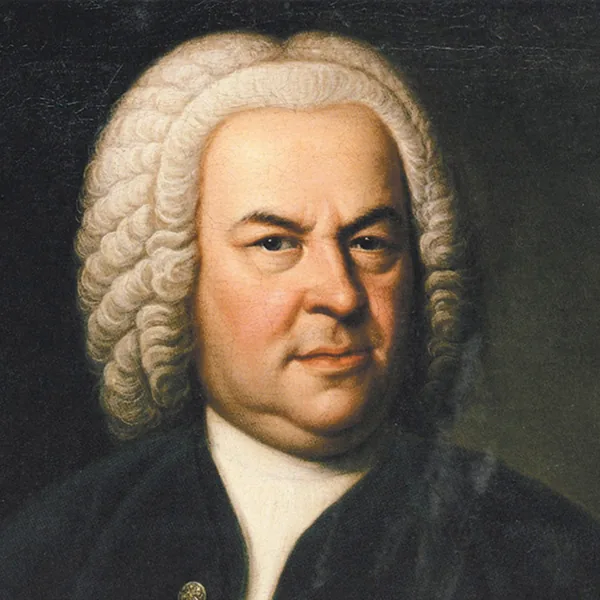
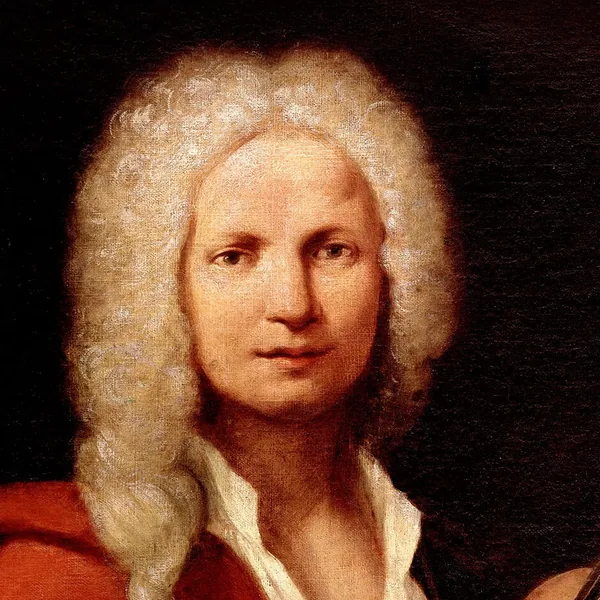
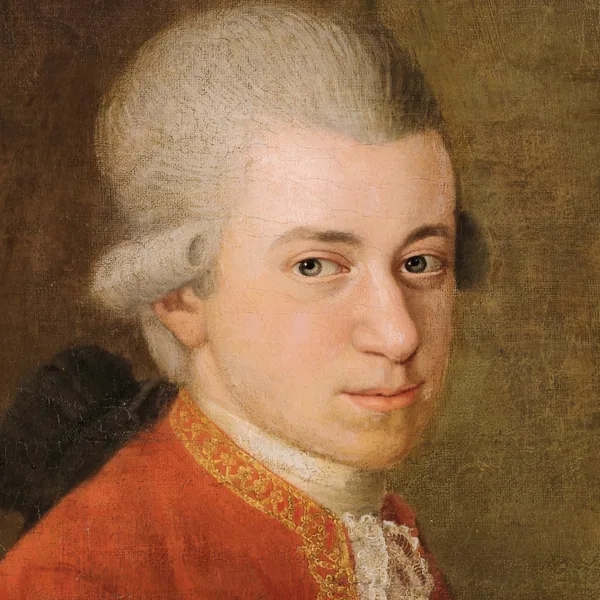
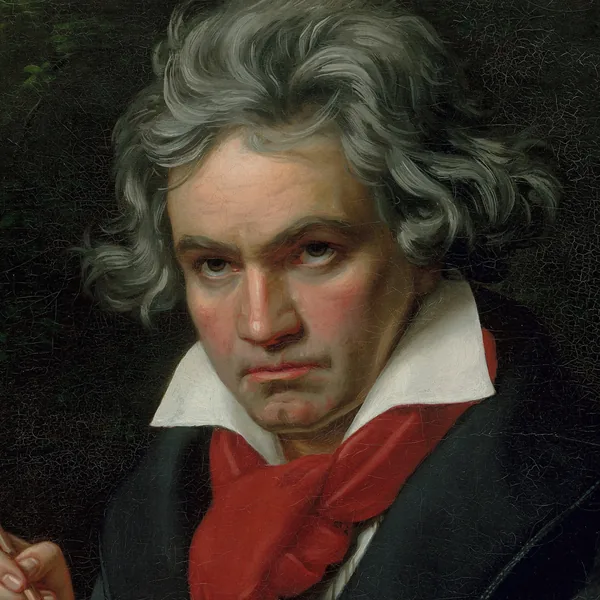
Path 01
Start here
Ten well-known works to learn the map on, each open in full to everyone.
Pachelbel → Bach → Vivaldi → Mozart → Beethoven → Schubert → Chopin → Dvořák → Debussy
Listening paths · Path 22
Ten violin concertos, from Beethoven's of 1806 to Sibelius's of 1904.
The nineteenth century made the violinist a star, and the concerto was the vehicle. Several here were written for great players: Mendelssohn's for Ferdinand David, Brahms's and Dvořák's for Joseph Joachim, Lalo's for Pablo de Sarasate; Paganini and Wieniawski wrote for themselves. Listen for the soloist's first entry, for the cadenza, where the orchestra falls silent, and for the folk colour that Lalo, Brahms and Dvořák bring to their finales.
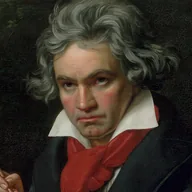 BeethovenViolin Concerto in D major, Op. 61
It begins with the timpani alone, tapping out repeated D's, a figure that later marks the Recapitulation. The orchestra sets out every idea before the violin enters with rising octaves, and display is never the point. Neglected for decades, it was revived by the young Joseph Joachim in 1844.
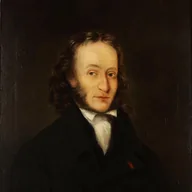 PaganiniViolin Concerto No. 1 in D major, Op. 6 / MS 21
Paganini wrote it to show off his own playing, in the style of Italian opera. The Adagio is a dark aria for the violin; in the Rondo, episode B sends the refrain's scale up into whistling double-stop harmonics, and C drops to the low strings for a singing melody.
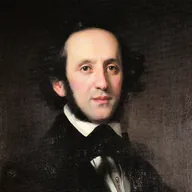 MendelssohnViolin Concerto in E minor, Op. 64
The violin enters after a bar and a half instead of waiting for the orchestra, and the Cadenza, fully written out, comes before the Recapitulation: its rushing arpeggios become the accompaniment for the returning first theme. A held bassoon note leads straight into the Andante.
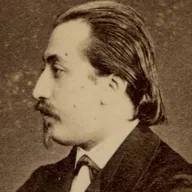 WieniawskiViolin Concerto No. 2 in D minor, Op. 22
Wieniawski wrote it in St Petersburg and dedicated it to Pablo de Sarasate. The finale is marked à la Zingara, in the Gypsy manner: a Solo Cadenza races away at breakneck speed, the swaggering A theme sets off, and the first movement's lyrical second idea returns along the way.
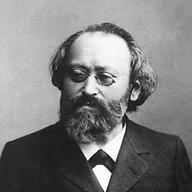 BruchViolin Concerto No. 1 in G minor, Op. 26
Bruch called the first movement a Vorspiel, a prelude: a timpani roll, soft woodwind chords and free passages for the violin alone, heard twice. Joachim helped him revise it, and the Adagio that follows lets the soloist sing long, arching melodies over an accompaniment that never stops moving.
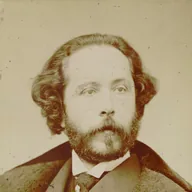 LaloSymphonie espagnole, Op. 21
A violin concerto in all but name, in five movements, written for Sarasate. Spain colours each one: a seguidilla lilt in the Scherzando, a habanera in the Intermezzo with its theme low on the G string, and the malagueña recalled in episode C of the closing Rondo.
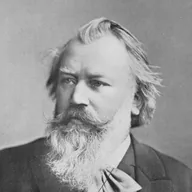 BrahmsViolin Concerto in D major, Op. 77
Joachim premiered it in a concert that opened with Beethoven's concerto in the same key. In the Adagio the oboe sings the F major melody first and the violin only takes it up afterwards; the finale's Rondo Theme has a Hungarian swagger. Wieniawski called it unplayable.
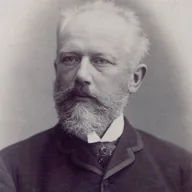 TchaikovskyViolin Concerto in D major, Op. 35
Leopold Auer refused it, and it gained a name as unplayable. The brief orchestral Introduction never returns, the Cadenza comes before the Recapitulation and ends in a trill, and after the G minor Canzonetta the finale's A theme dances over a Russian-sounding drone.
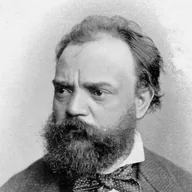 DvořákViolin Concerto in A minor, Op. 53
Dvořák wrote it for Joachim and rewrote it twice at his urging, yet Joachim probably never played it. The first movement runs without a pause into the Adagio, and the finale is a rondo on the furiant, a folk dance whose syncopations drive its A theme.
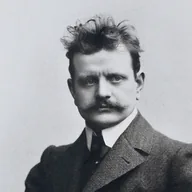 SibeliusViolin Concerto in D minor, Op. 47
Sibelius once hoped to be a violin virtuoso himself. The soloist enters softly over quiet strings, the Cadenza takes the place of a development, and in the finale the A theme, a bold dance on the lowest string, drives to a resolute final D.
Path 01
Ten well-known works to learn the map on, each open in full to everyone.
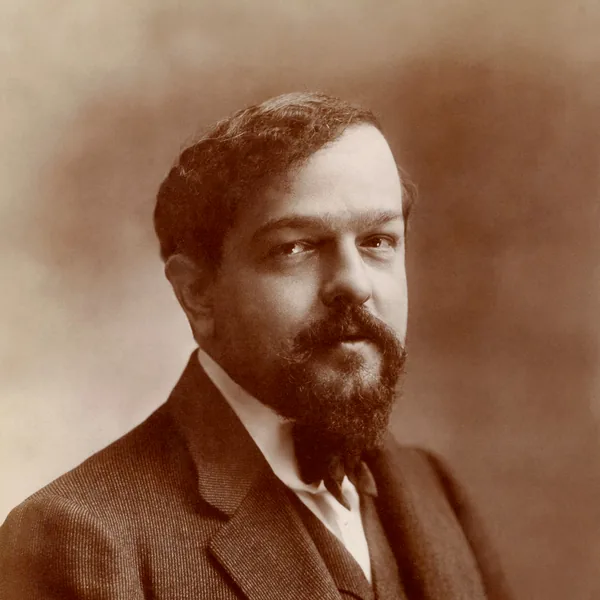
Pachelbel → Bach → Vivaldi → Mozart → Beethoven → Schubert → Chopin → Dvořák → Debussy
Path 02
Twelve symphonies from Mozart's Fortieth to Shostakovich's Fifth, the core of the concert repertoire.
Mozart → Haydn → Beethoven → Schubert → Berlioz → Mendelssohn → Brahms → Mahler → Tchaikovsky → Dvořák → Shostakovich
Path 03
Twelve slow, quiet pieces, from Chopin's lullaby to Pärt's Fratres.
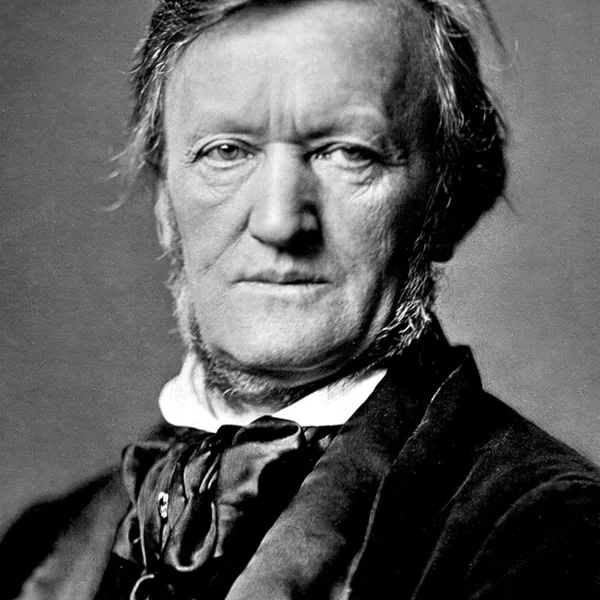
Chopin → Liszt → Wagner → Debussy → Massenet → Fauré → Grainger → Delius → Williams → Rachmaninoff → Pärt
Path 04
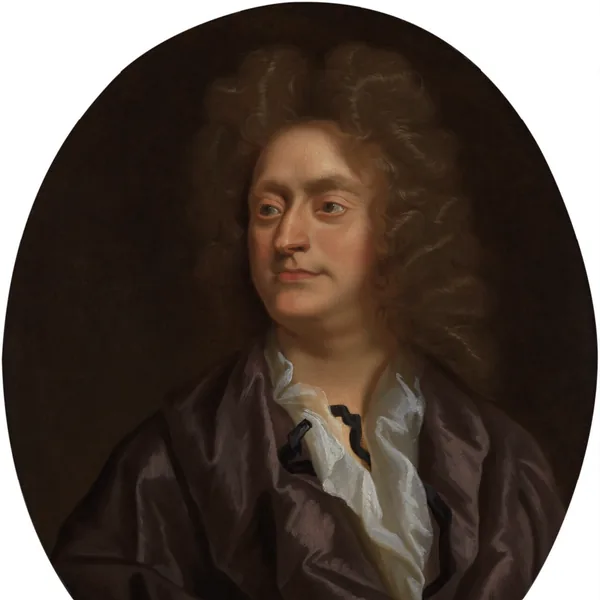
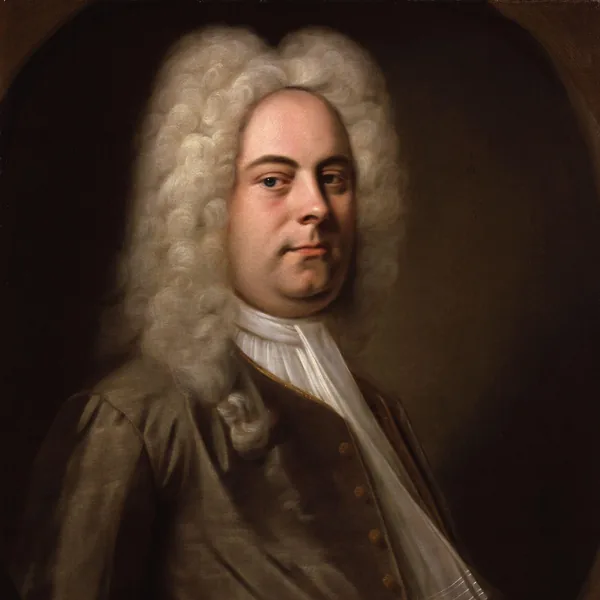
Ground bass, ritornello, fugue and dance: the Baroque in twelve works, from Purcell to Bach's Musical Offering.
Purcell → Pachelbel → Bach → Vivaldi → Handel → Scarlatti
Path 05
The form behind most first movements, heard twelve times, from a small sonata to a symphony.
Mozart → Haydn → Beethoven → Schubert → Mendelssohn → Brahms → Prokofiev
Path 06
Haydn's two London visits, 1791–95: six of the symphonies he wrote there, three piano sonatas, and what he took home to Vienna.
Haydn
Path 07
Short, complete works for a single sitting.
Bach → Mozart → Haydn → Beethoven → Schubert → Mendelssohn → Saint-Saëns → Sibelius → Ravel → Debussy → Gershwin → Copland
Path 08
Four players across almost two centuries: Haydn shapes the conversation, Bartók breaks it open, Shostakovich turns it inward.
Haydn → Mozart → Schubert → Beethoven → Dvořák → Debussy → Reger → Bartók → Shostakovich
Path 09
One work for each kind in the catalog, from the symphony to choral music.
Beethoven → Vivaldi → Debussy → Holst → Dvořák → Mozart → Chopin → Scarlatti → Bach → Schubert → Strauss → Handel
Path 10
From the First of 1800 to the Choral of 1824, in the order Beethoven wrote them.
Beethoven
Path 11
Soloist and orchestra across two and a half centuries, from Bach's harpsichord to Rostropovich's cello.
Bach → Vivaldi → Mozart → Beethoven → Mendelssohn → Tchaikovsky → Dvořák → Rachmaninoff → Ravel → Shostakovich
Path 12
Eleven short pieces from Field to Grieg, each holding one mood.
Field → Schubert → Mendelssohn → Chopin → Schumann → Liszt → Tchaikovsky → Rachmaninoff → Brahms → Grieg
Path 13
A poem, a voice and a piano, later an orchestra: from Schubert's first masterpieces to Strauss's last songs.
Schubert → Schumann → Wagner → Mahler → Debussy → Fauré → Strauss
Path 14
Two ways of making much from little: a theme changed again and again, and a subject passed from voice to voice.
Bach → Mozart → Haydn → Beethoven → Mendelssohn → Brahms → Elgar
Path 15
Fauré, Satie, Debussy, Chausson, Dukas and Ravel, from 1887 to 1920.
Fauré → Satie → Debussy → Chausson → Dukas → Ravel
Path 16
From Glinka to Shostakovich: a century of Russian music, in the order it was written.
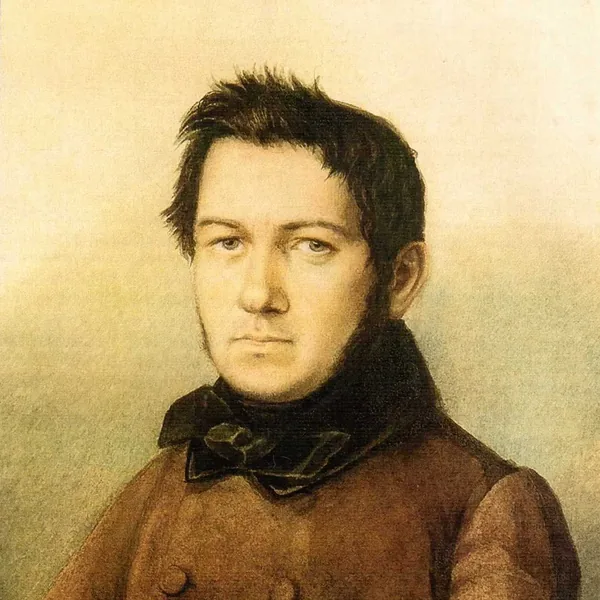
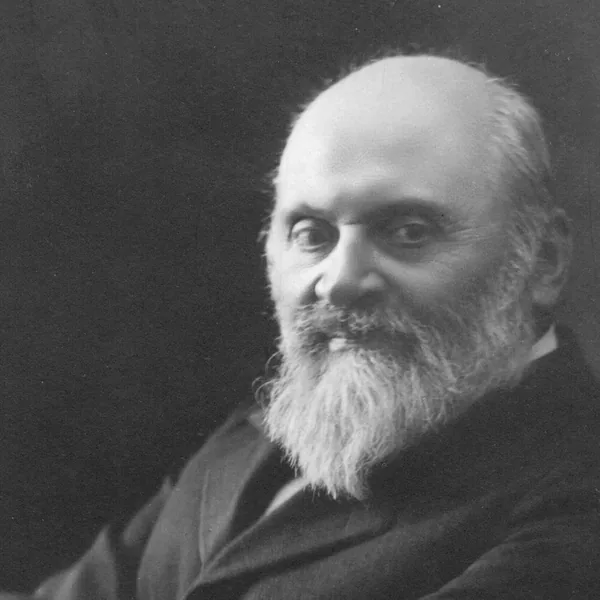
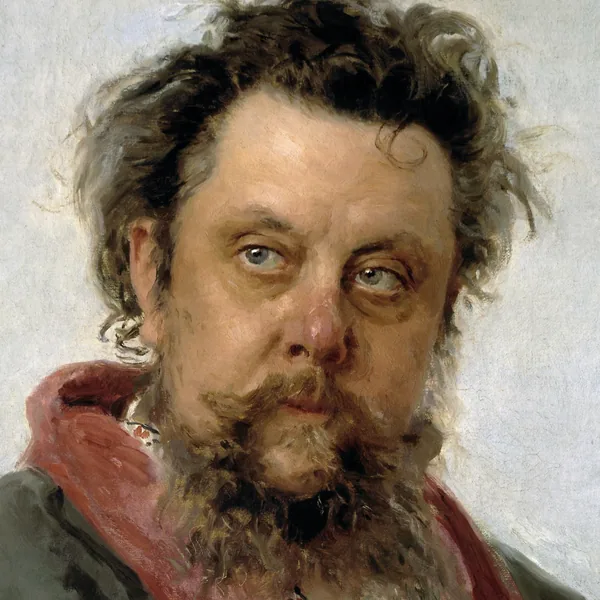
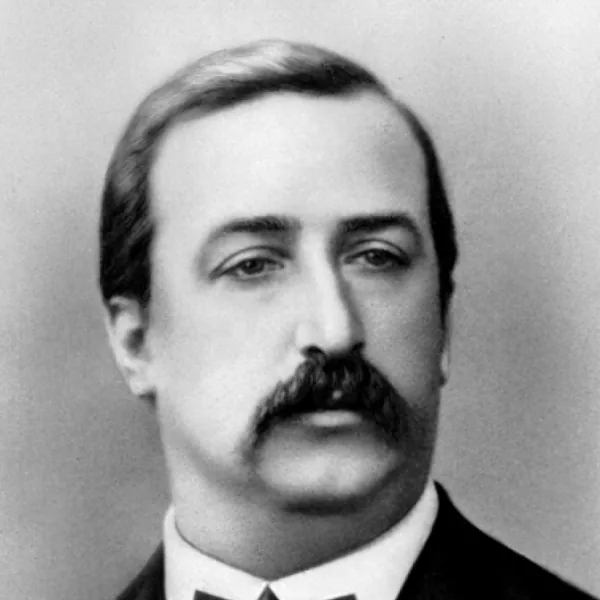
Glinka → Balakirev → Mussorgsky → Borodin → Rimsky-Korsakov → Tchaikovsky → Rachmaninoff → Scriabin → Prokofiev → Shostakovich
Path 17
Nocturne, étude, mazurka, scherzo, ballade, polonaise, waltz: Chopin's genres in twelve works, in the order he wrote them.
Chopin
Path 18
Mozart in twelve works, from a motet written at sixteen to the Requiem he left unfinished.
Mozart
Path 19
Brahms in twelve works, from the First Piano Concerto to the last of his piano pieces.
Brahms
Path 20
Twelve piano sonatas from Mozart and Haydn to Prokofiev's war sonata of 1942.
Mozart → Haydn → Beethoven → Schubert → Chopin → Liszt → Berg → Bartók → Prokofiev
Path 21
Two French composers side by side, often compared and often confused, from 1891 to Boléro in 1928.
Debussy → Ravel
Path 23
The late Romantic orchestra at its largest: Bruckner's and Mahler's symphonies and Strauss's tone poems, 1880 to 1945.
Bruckner → Mahler → Strauss
Path 24
Folk songs, dances and landscapes, from Liszt's Hungary to Márquez's Mexico.
Liszt → Smetana → Grieg → Albéniz → Dvořák → Sibelius → Elgar → Williams → Janáček → Villa-Lobos → Rodrigo → Márquez
Path 25
Choirs from Handel's coronation anthem to Ligeti's cloud of voices: masses, requiems and psalms, 1727 to 1966.
Handel → Mozart → Brahms → Verdi → Fauré → Orff → Messiaen → Bernstein → Ligeti
Path 26
Twelve overtures from Mozart's Figaro to Bernstein's Candide, each a complete piece in a few minutes.
Mozart → Beethoven → Rossini → Weber → Mendelssohn → Wagner → Berlioz → Offenbach → Brahms → Tchaikovsky → Bernstein
Path 27
Twelve directions the century took, from Schoenberg's Verklärte Nacht of 1899 to Piazzolla's tango of 1982.
Schoenberg → Ives → Bartók → Holst → Gershwin → Barber → Prokofiev → Copland → Ligeti → Górecki → Piazzolla