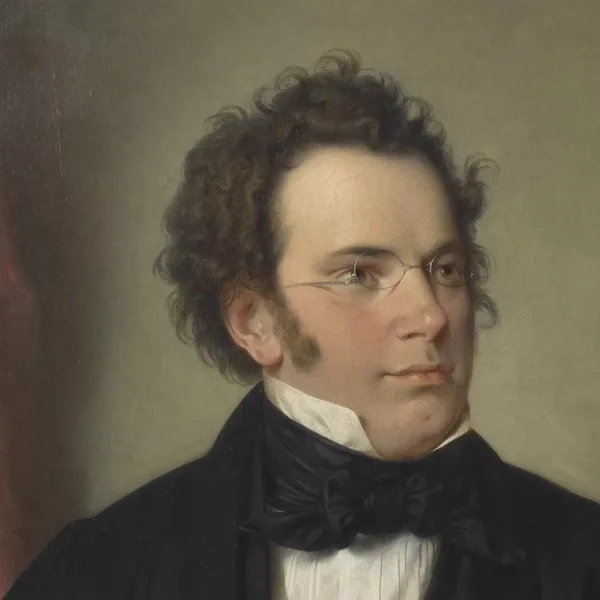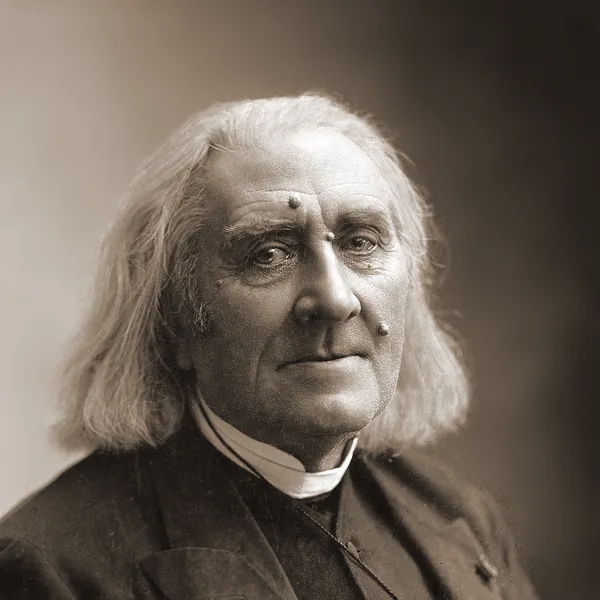
Path 01
Start here
Ten well-known works to learn the map on, each open in full to everyone.
Pachelbel → Bach → Vivaldi → Mozart → Beethoven → Schubert → Chopin → Dvořák → Debussy
Listening paths · Path 09
One work for each kind in the catalog, from the symphony to choral music.
Classical music comes in kinds. A symphony is for orchestra, in several movements; a string quartet is for two violins, a viola and a cello; an art song sets a poem for one voice and piano. This path takes one example of each of the fifteen kinds the catalog is sorted by, in the catalog's own order. Each kind has its own entry in the glossary, with what it is and how to listen to it.
 BeethovenSymphony No. 5 in C minor, Op. 67
A symphony: several movements for full orchestra. Here the third movement runs without a break into the finale.
 VivaldiViolin Concerto in E major (The Four Seasons), RV 269 / Op. 8 No. 1
A concerto sets a soloist against the orchestra. Three movements, fast, slow and fast, with the orchestra's refrain returning between the soloist's passages.
BeethovenRomance No. 2 in F major for violin and orchestra, Op. 50A work for soloist and orchestra that is not a concerto: one movement, a rondo whose gentle refrain the violin sings first.
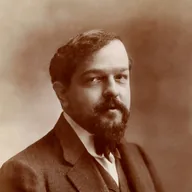 DebussyPrélude à l’après-midi d’un faune, L. 86
Orchestral music without the symphony's movements: one piece after a poem, shaped by colour and a returning flute theme.
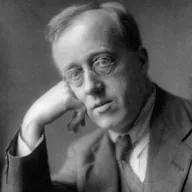 HolstFirst Suite in E-flat for Military Band, Op. 28 No. 1 / H. 105
Music for military band: winds, brass and percussion, no strings. The first movement is a chaconne, variations over an eight-bar theme that the low brass state first.
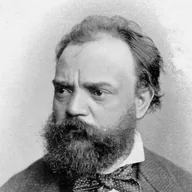 DvořákString Quartet No. 12 in F major, Op. 96 / B. 179
A string quartet: two violins, a viola and a cello, each with a voice of its own. Here the viola has the first tune.
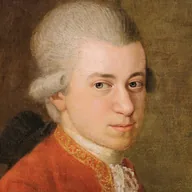 MozartClarinet Quintet in A major, K. 581
Chamber music, one player to each part: a string quartet joined by a clarinet. The finale is a theme with six variations.
BeethovenPiano Sonata No. 14 in C-sharp minor, Op. 27 No. 2A piano sonata in three movements. The famous first is a slow sonata form that stays quiet throughout; the storm comes in the third.
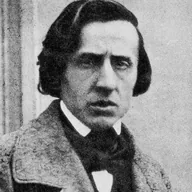 ChopinNocturne in E-flat major, Op. 9 No. 2
A single piano piece in one mood: a night piece, with a singing right hand over a rocking left.
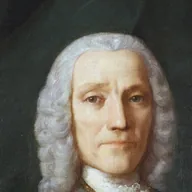 ScarlattiKeyboard Sonata in D minor, K. 141
Scarlatti wrote 555 keyboard sonatas, almost all single movements in two halves. This one drives along on fast repeated notes, with the hands crossing over each other.
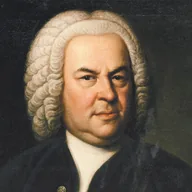 BachToccata and Fugue in D minor, BWV 565
Organ music: the feet play a part of their own on the pedals, and in the fugue they state the subject alone.
DebussySyrinx, L. 129One flute and no accompaniment, about three minutes. Its opening bar is the idea to remember: it returns, each time continued in a new way.
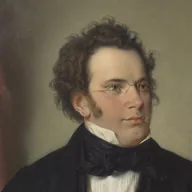 SchubertErlkönig, D 328; Op. 1
An art song: a poem for one voice and piano, in which the piano is a full partner, here the galloping horse.
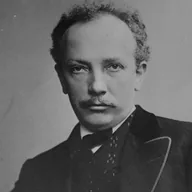 StraussFour Last Songs, TrV 296
Songs for voice and orchestra. In the last, Im Abendrot, two flutes sing like larks over the sunset.
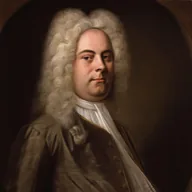 HandelMessiah: Hallelujah Chorus
Music for choir, here with orchestra. Listen for the changes of texture: unison, imitation, chords like a chorale, and a fugue on 'for ever and ever'.
Path 01
Ten well-known works to learn the map on, each open in full to everyone.
Pachelbel → Bach → Vivaldi → Mozart → Beethoven → Schubert → Chopin → Dvořák → Debussy
Path 02
Twelve symphonies from Mozart's Fortieth to Shostakovich's Fifth, the core of the concert repertoire.
Mozart → Haydn → Beethoven → Schubert → Berlioz → Mendelssohn → Brahms → Mahler → Tchaikovsky → Dvořák → Shostakovich
Path 03
Twelve slow, quiet pieces, from Chopin's lullaby to Pärt's Fratres.
Chopin → Liszt → Wagner → Debussy → Massenet → Fauré → Grainger → Delius → Williams → Rachmaninoff → Pärt
Path 04
Ground bass, ritornello, fugue and dance: the Baroque in twelve works, from Purcell to Bach's Musical Offering.
Purcell → Pachelbel → Bach → Vivaldi → Handel → Scarlatti
Path 05
The form behind most first movements, heard twelve times, from a small sonata to a symphony.
Mozart → Haydn → Beethoven → Schubert → Mendelssohn → Brahms → Prokofiev
Path 06
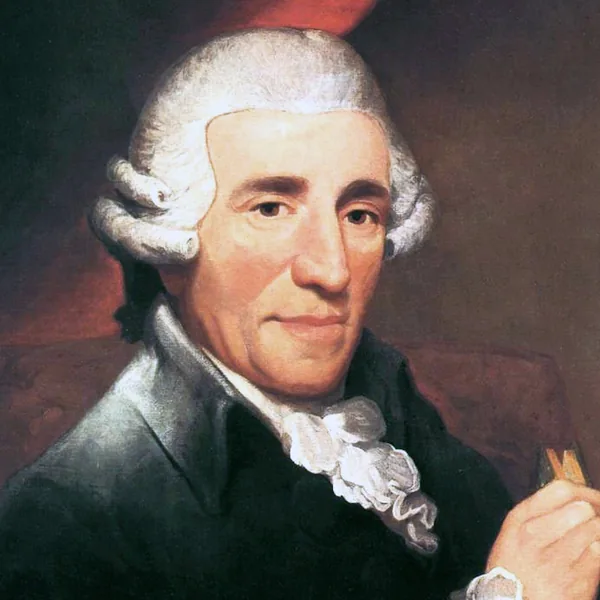
Haydn's two London visits, 1791–95: six of the symphonies he wrote there, three piano sonatas, and what he took home to Vienna.
Haydn
Path 07
Short, complete works for a single sitting.
Bach → Mozart → Haydn → Beethoven → Schubert → Mendelssohn → Saint-Saëns → Sibelius → Ravel → Debussy → Gershwin → Copland
Path 08
Four players across almost two centuries: Haydn shapes the conversation, Bartók breaks it open, Shostakovich turns it inward.
Haydn → Mozart → Schubert → Beethoven → Dvořák → Debussy → Reger → Bartók → Shostakovich
Path 10
From the First of 1800 to the Choral of 1824, in the order Beethoven wrote them.
Beethoven
Path 11
Soloist and orchestra across two and a half centuries, from Bach's harpsichord to Rostropovich's cello.
Bach → Vivaldi → Mozart → Beethoven → Mendelssohn → Tchaikovsky → Dvořák → Rachmaninoff → Ravel → Shostakovich
Path 12
Eleven short pieces from Field to Grieg, each holding one mood.
Field → Schubert → Mendelssohn → Chopin → Schumann → Liszt → Tchaikovsky → Rachmaninoff → Brahms → Grieg
Path 13
A poem, a voice and a piano, later an orchestra: from Schubert's first masterpieces to Strauss's last songs.
Schubert → Schumann → Wagner → Mahler → Debussy → Fauré → Strauss
Path 14
Two ways of making much from little: a theme changed again and again, and a subject passed from voice to voice.
Bach → Mozart → Haydn → Beethoven → Mendelssohn → Brahms → Elgar
Path 15
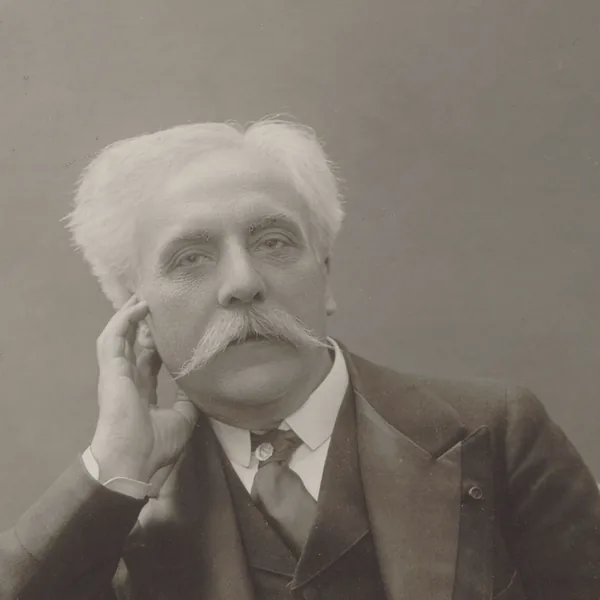
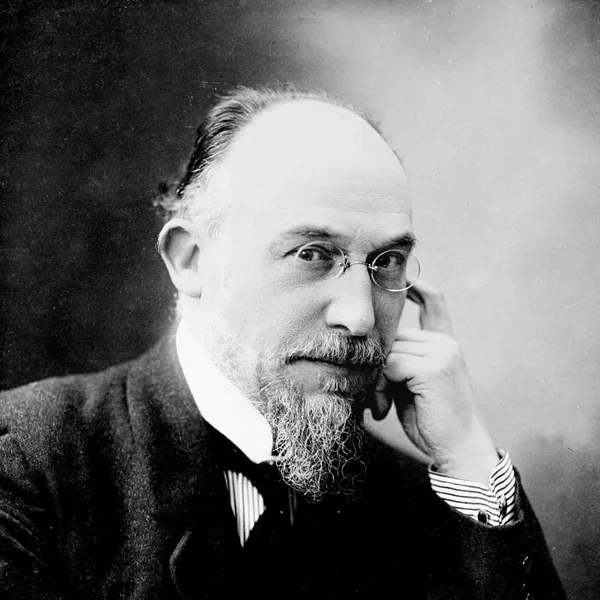
Fauré, Satie, Debussy, Chausson, Dukas and Ravel, from 1887 to 1920.
Fauré → Satie → Debussy → Chausson → Dukas → Ravel
Path 16
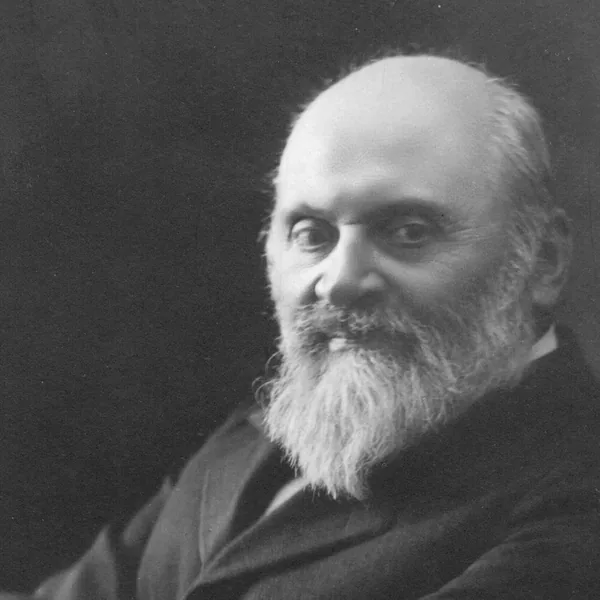
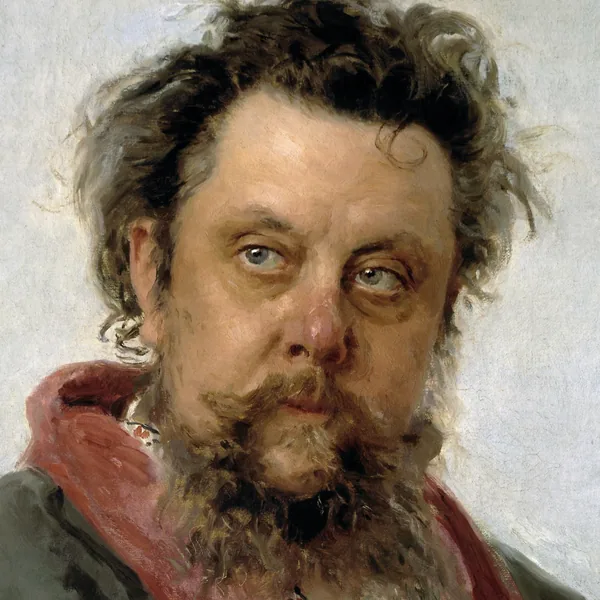
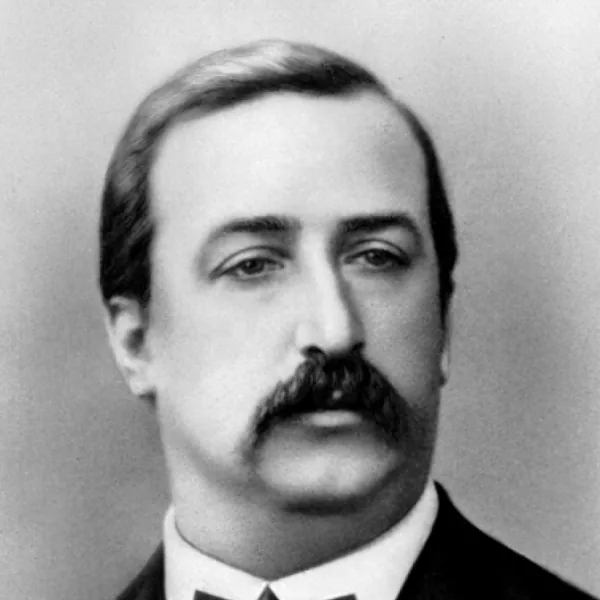
From Glinka to Shostakovich: a century of Russian music, in the order it was written.
Glinka → Balakirev → Mussorgsky → Borodin → Rimsky-Korsakov → Tchaikovsky → Rachmaninoff → Scriabin → Prokofiev → Shostakovich
Path 17
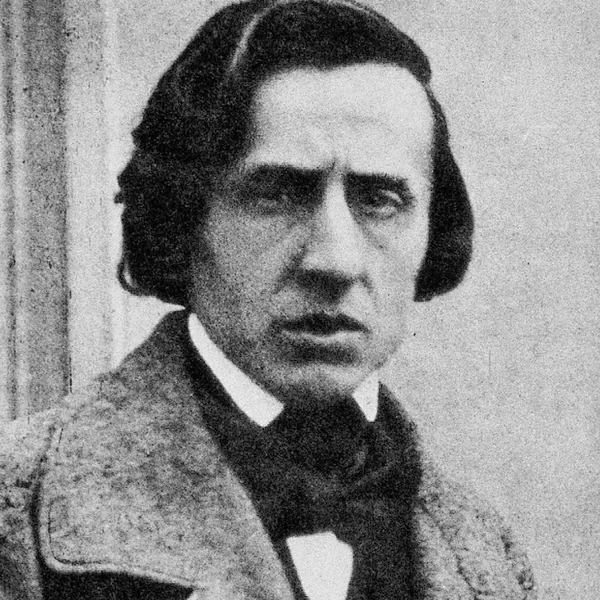
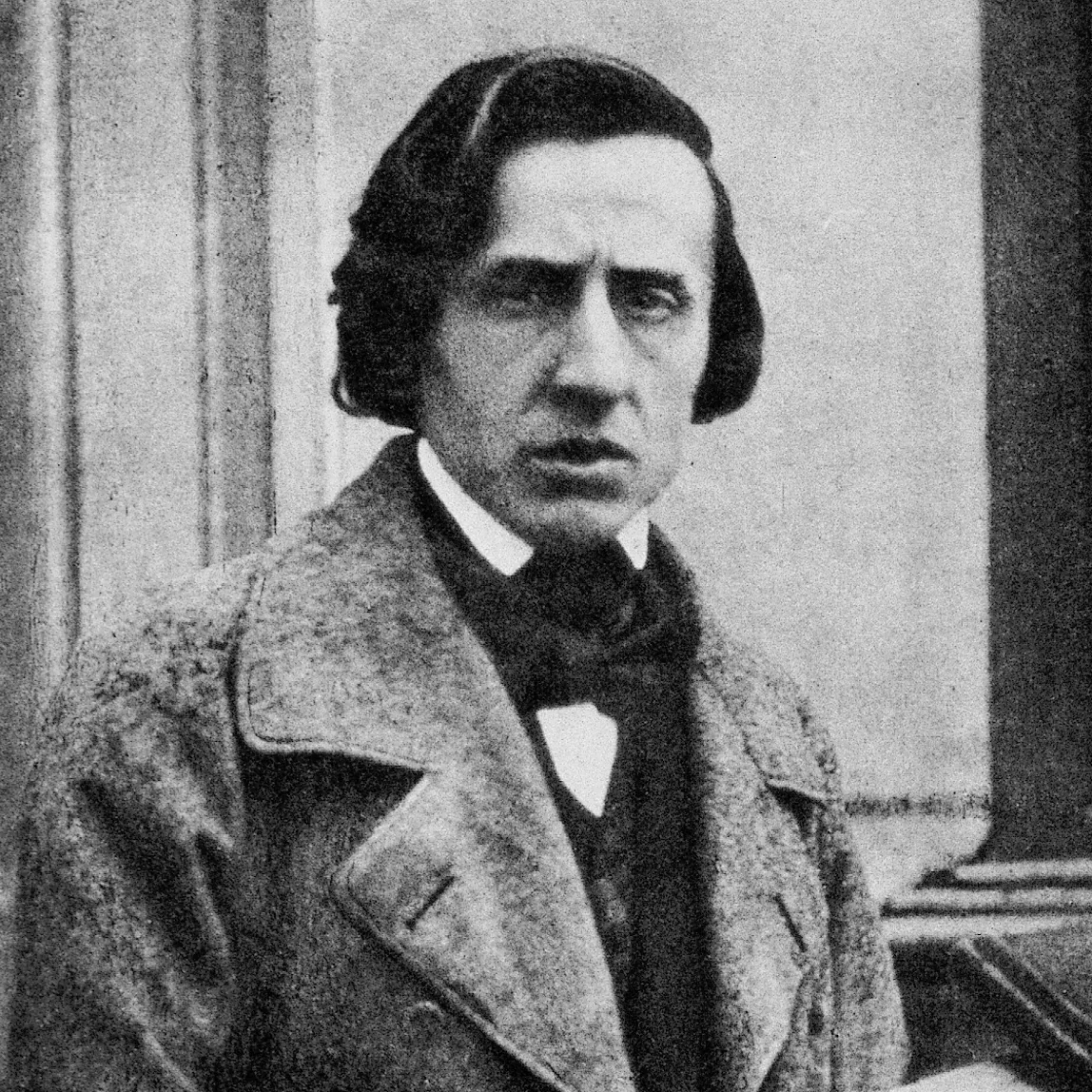
Nocturne, étude, mazurka, scherzo, ballade, polonaise, waltz: Chopin's genres in twelve works, in the order he wrote them.
Chopin
Path 18
Mozart in twelve works, from a motet written at sixteen to the Requiem he left unfinished.
Mozart
Path 19
Brahms in twelve works, from the First Piano Concerto to the last of his piano pieces.
Brahms
Path 20
Twelve piano sonatas from Mozart and Haydn to Prokofiev's war sonata of 1942.
Mozart → Haydn → Beethoven → Schubert → Chopin → Liszt → Berg → Bartók → Prokofiev
Path 21
Two French composers side by side, often compared and often confused, from 1891 to Boléro in 1928.
Debussy → Ravel
Path 22
Ten violin concertos, from Beethoven's of 1806 to Sibelius's of 1904.
Beethoven → Paganini → Mendelssohn → Wieniawski → Bruch → Lalo → Brahms → Tchaikovsky → Dvořák → Sibelius
Path 23
The late Romantic orchestra at its largest: Bruckner's and Mahler's symphonies and Strauss's tone poems, 1880 to 1945.
Bruckner → Mahler → Strauss
Path 24
Folk songs, dances and landscapes, from Liszt's Hungary to Márquez's Mexico.
Liszt → Smetana → Grieg → Albéniz → Dvořák → Sibelius → Elgar → Williams → Janáček → Villa-Lobos → Rodrigo → Márquez
Path 25
Choirs from Handel's coronation anthem to Ligeti's cloud of voices: masses, requiems and psalms, 1727 to 1966.
Handel → Mozart → Brahms → Verdi → Fauré → Orff → Messiaen → Bernstein → Ligeti
Path 26
Twelve overtures from Mozart's Figaro to Bernstein's Candide, each a complete piece in a few minutes.
Mozart → Beethoven → Rossini → Weber → Mendelssohn → Wagner → Berlioz → Offenbach → Brahms → Tchaikovsky → Bernstein
Path 27
Twelve directions the century took, from Schoenberg's Verklärte Nacht of 1899 to Piazzolla's tango of 1982.
Schoenberg → Ives → Bartók → Holst → Gershwin → Barber → Prokofiev → Copland → Ligeti → Górecki → Piazzolla