Path 06
Fifteen kinds of work
One work for each kind in the catalog, from the symphony to choral music.
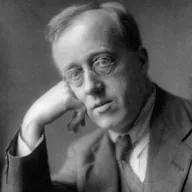
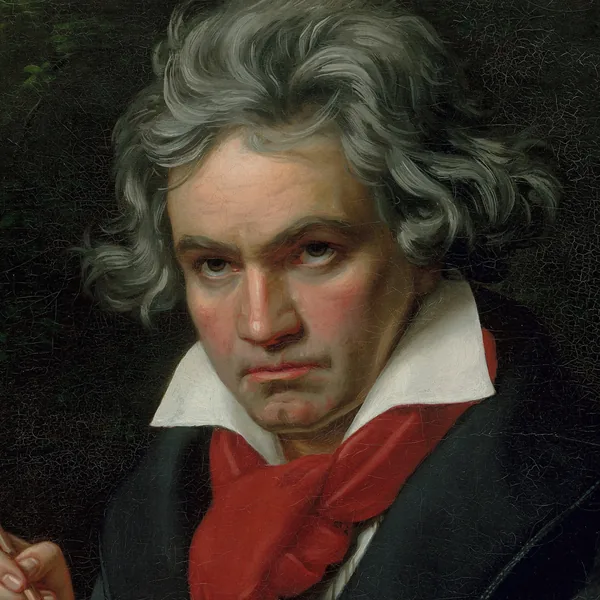
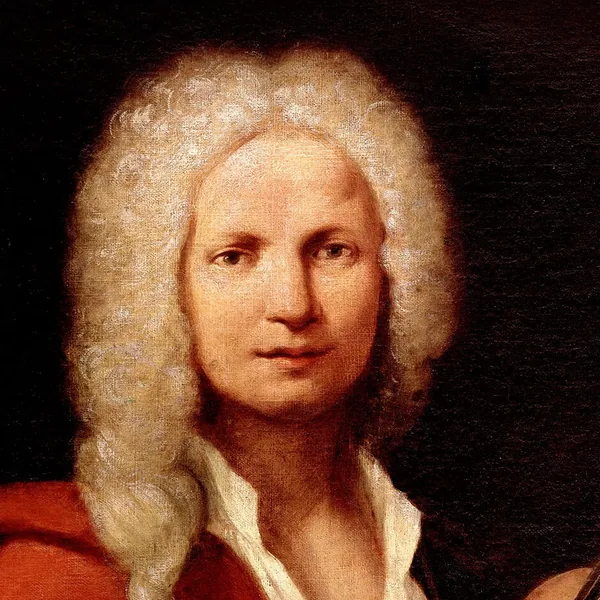
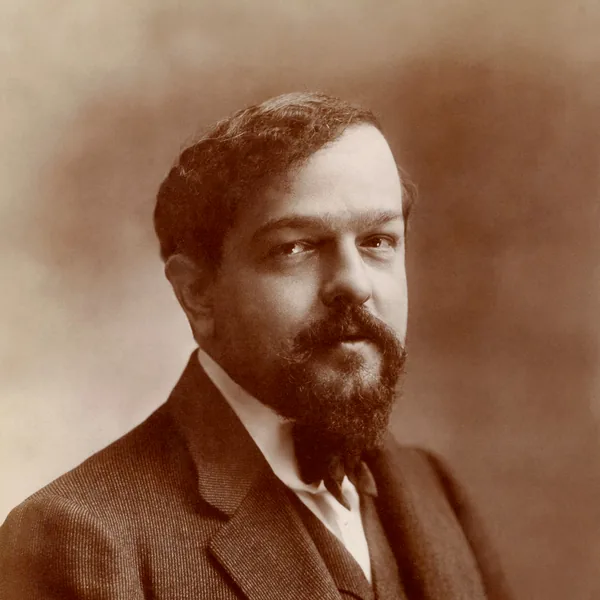
Beethoven → Vivaldi → Debussy → Holst → Dvořák → Mozart → Chopin → Scarlatti → Bach → Schubert → Strauss → Handel
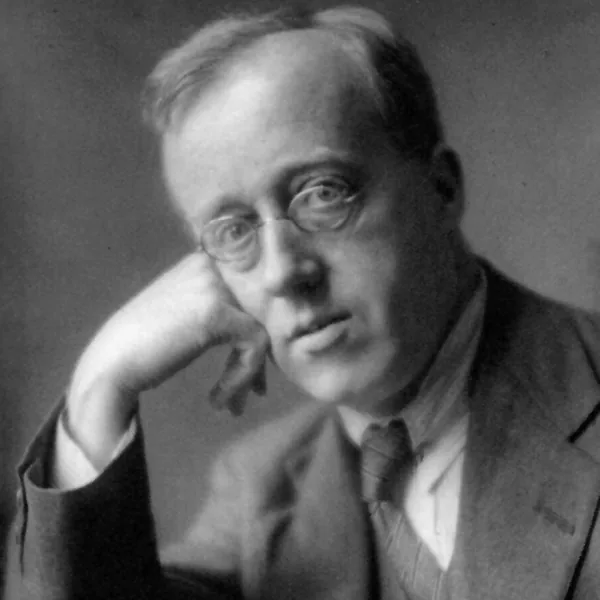
This guide follows Holst’s First Suite in E-flat for Military Band, Op. 28 No. 1 / H. 105 (1909) in three parts: Chaconne (theme and variations), Intermezzo: Vivace and March (minuet and trio).
I Chaconne · Theme and variations · 16 sections
A is a set of variations over a repeating bass line, here an eight- given first to the low brass. It in a new guise every eight : . 1, . 2, and so on. In the middle the is turned upside down (. 9 and . 10) and the music turns quiet and sombre (. 11). A crescendo leads to the loud final variations, the last of them (. 15) a fifth higher, and a bright chord ends the .
A light, brisk in C minor, with abrupt starts and stops and solos for oboe, clarinet and cornet. The first idea is followed by a second, and then the first . The lyrical section (C) is a mournful clarinet melody in 4/4, later taken up by much of the band. The two main ideas come back together, and the weaves all the material into a brighter C major before the music fades away.
The begins suddenly. Its opening chords turn the of the upside down, and the first strain is a marching tune for brass and percussion. The (the ) is a long, lyrical line in the woodwinds that recalls the melody. The then , and the combines the themes and builds toward a . A slower passage () leads to the , which briefly recalls material from the first two movements.
Section boundaries in music are not always sharp; a transition may be felt over a pause or a held chord.
 BachPassacaglia and Fugue in C minor, BWV 582Free
 HaydnString Quartet in D major, Op. 20 No. 4HaydnString Quartet in E-flat major, Op. 33 No. 2HaydnString Quartet in G major, Op. 33 No. 5HaydnSymphony No. 81 in G major, Hob. I:81HaydnSymphony No. 82 in C major, Hob. I:82HaydnSymphony No. 88 in G major, Hob. I:88HaydnPiano Sonata in C major, Hob. XVI:48HaydnPiano Sonata in E-flat major, Hob. XVI:49HaydnSymphony No. 94 in G major, Hob. I:94
Path 06
One work for each kind in the catalog, from the symphony to choral music.
Beethoven → Vivaldi → Debussy → Holst → Dvořák → Mozart → Chopin → Scarlatti → Bach → Schubert → Strauss → Handel
Reviews