Path 01
Start here
Ten well-known works to learn the map on, each open in full to everyone.
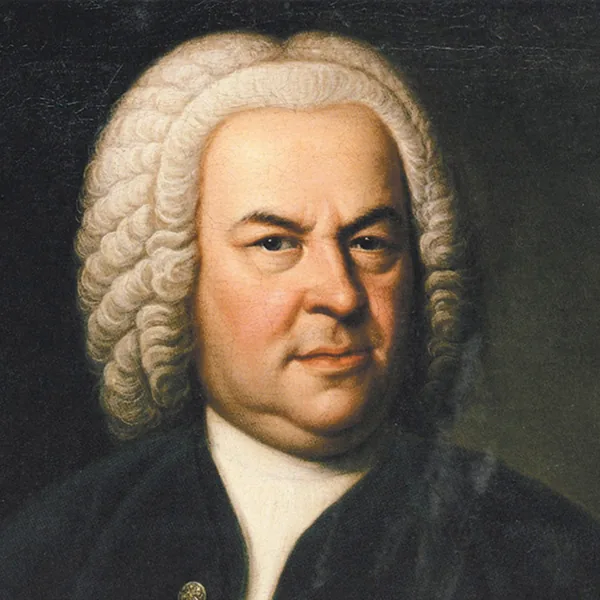
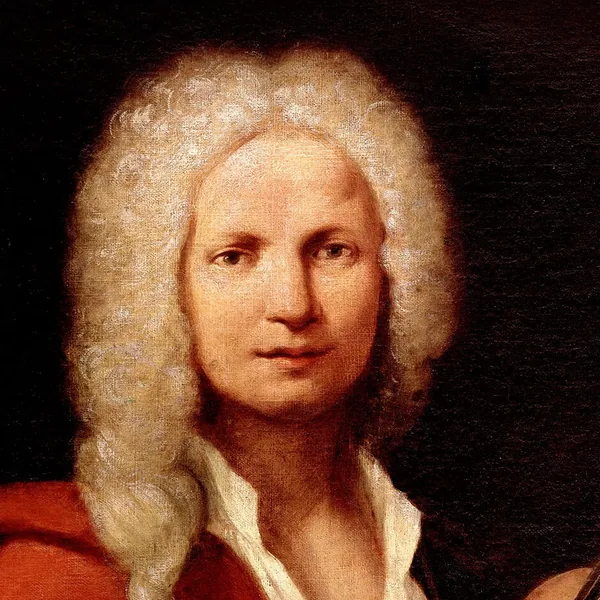
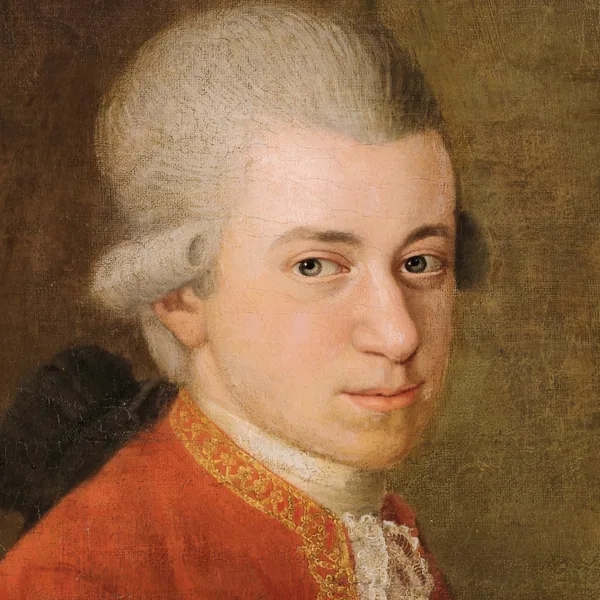
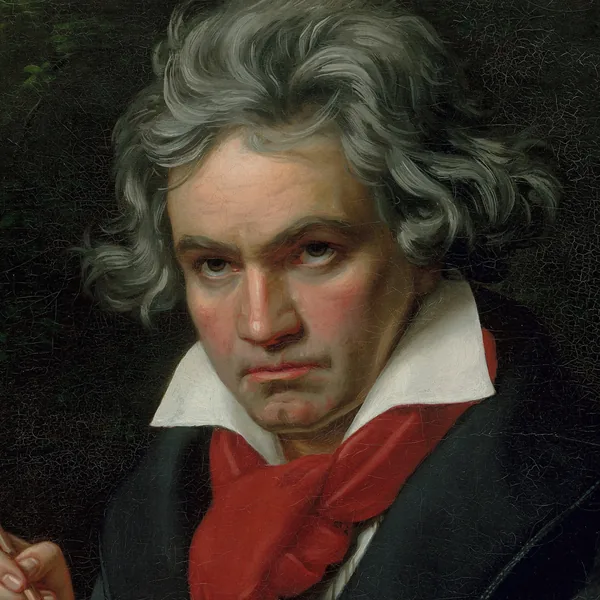
Pachelbel → Bach → Vivaldi → Mozart → Beethoven → Schubert → Chopin → Dvořák → Debussy
This guide follows Schubert’s Erlkönig, D 328; Op. 1 (1815) in one part.
Premium
Follow all 16 sections as they play
Listen for the piano's galloping triplets, which start in the first and almost never stop, and for the one voice playing four characters. The timeline follows the characters as they speak. The Erlking tries three times to lure the boy, and after each attempt the boy cries out to his father, every cry higher than the last as the desperation grows. The Erlking's lines are in the major mode, set against the minor of the other characters. The triplets break off only in the last three , and the closes the song after a short .
Section boundaries in music are not always sharp; a transition may be felt over a pause or a held chord.
 SchubertGretchen am Spinnrade, D 118; Op. 2SchubertDie schöne Müllerin, D. 795SchubertWinterreise, D. 911SchubertSymphony No. 5 in B-flat major, D 485SchubertPiano Sonata in A minor, D. 537SchubertPiano Sonata in A major, D. 664SchubertQuartettsatz in C minor, D. 703SchubertSymphony No. 8 in B minor, D 759SchubertWanderer Fantasy in C major, D 760; Op. 15SchubertPiano Sonata in A minor, D. 784
Path 01
Ten well-known works to learn the map on, each open in full to everyone.
Pachelbel → Bach → Vivaldi → Mozart → Beethoven → Schubert → Chopin → Dvořák → Debussy
Path 06
One work for each kind in the catalog, from the symphony to choral music.
Beethoven → Vivaldi → Debussy → Holst → Dvořák → Mozart → Chopin → Scarlatti → Bach → Schubert → Strauss → Handel
Path 10
A poem, a voice and a piano, later an orchestra: from Schubert's first masterpieces to Strauss's last songs.
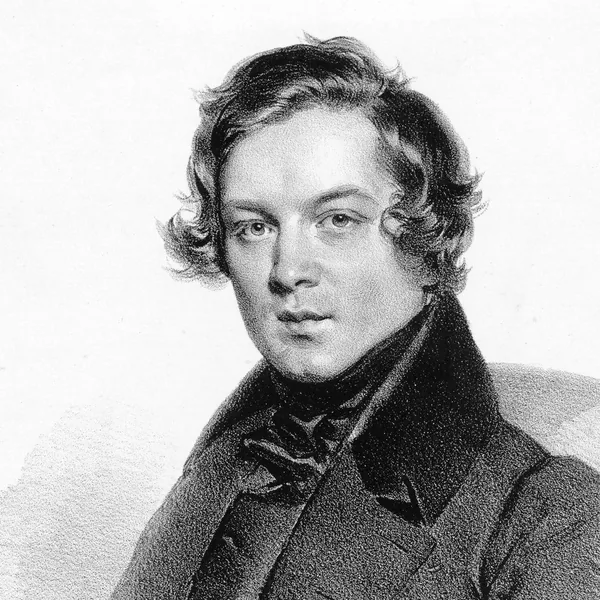
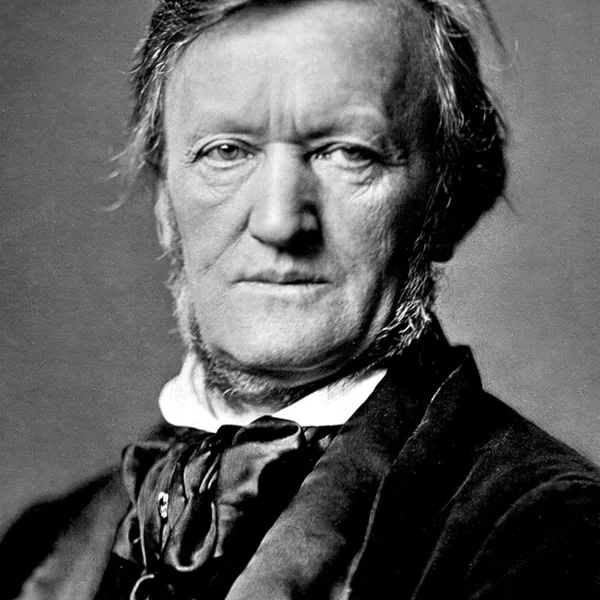
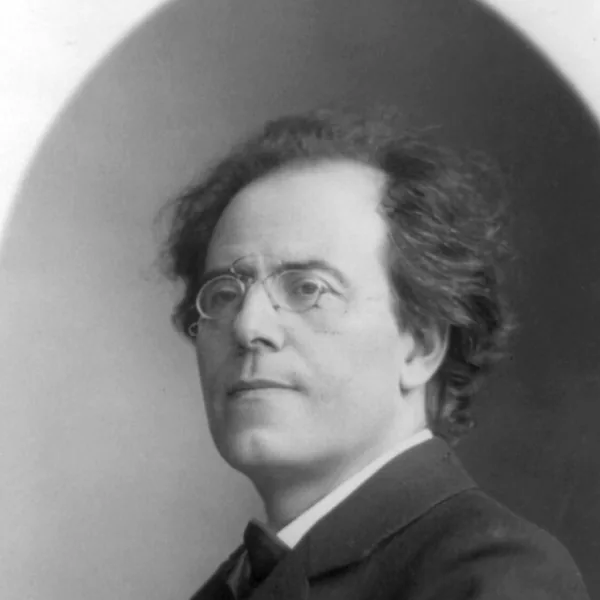
Schubert → Schumann → Wagner → Mahler → Debussy → Fauré → Strauss
Reviews