Path 10
The art song, from Schubert to Strauss
A poem, a voice and a piano, later an orchestra: from Schubert's first masterpieces to Strauss's last songs.
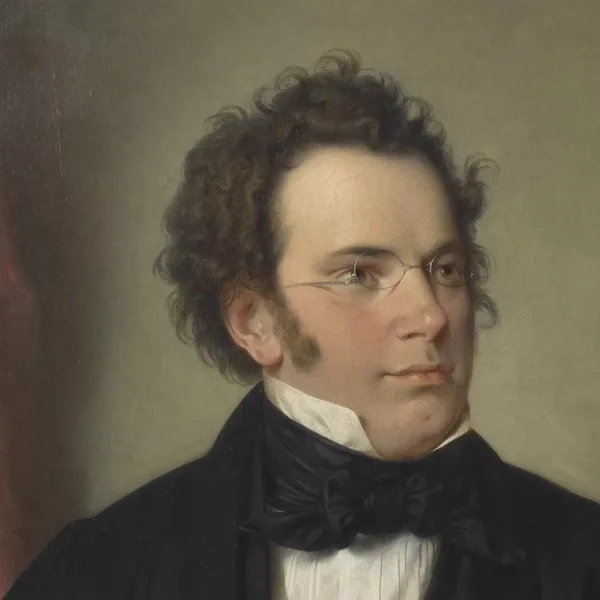
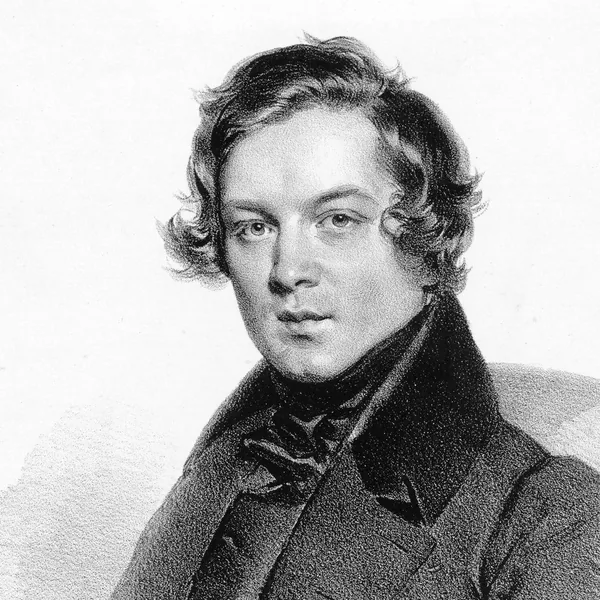
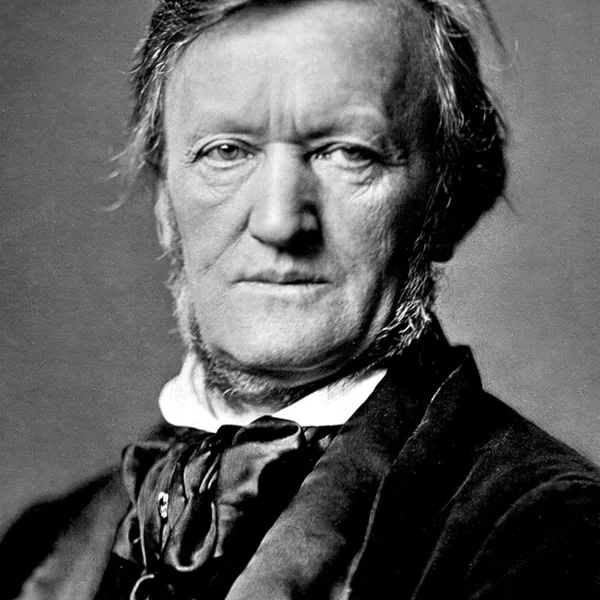
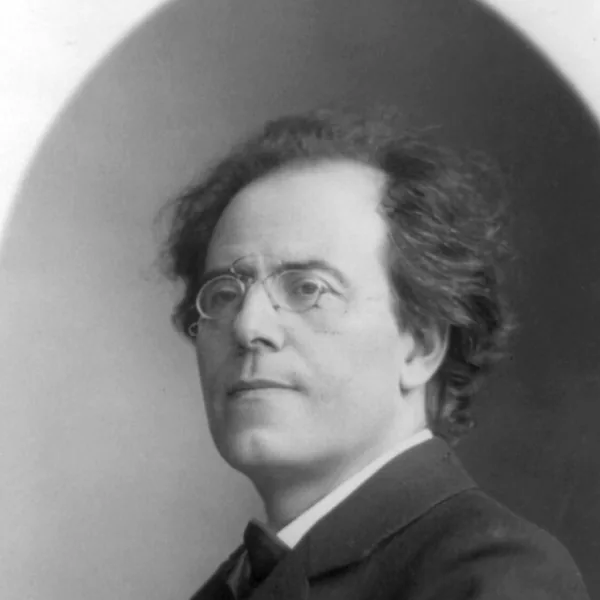
Schubert → Schumann → Wagner → Mahler → Debussy → Fauré → Strauss
This guide follows Schubert’s Die schöne Müllerin, D. 795 (1823) in 20 parts: Das Wandern, Wohin?, Halt!, Danksagung an den Bach, Am Feierabend, Der Neugierige, Ungeduld, Morgengruß, Des Müllers Blumen, Tränenregen, Mein!, Pause, Mit dem grünen Lautenbande, Der Jäger, Eifersucht und Stolz, Die liebe Farbe, Die böse Farbe, Trockne Blumen, Der Müller und der Bach and Des Baches Wiegenlied.
Premium
Follow all 87 sections as they play
The cycle opens in a cheerful B-flat major with a , so the same tune serves every . The piano paints the mill trade: rippling triads suggest water and turning wheels, and pounding octaves in the bass suggest the heavy millstones. The young miller sings in praise of wandering, and the steady, forward-moving pace sets the carefree mood that the later songs will gradually undo.
Section boundaries in music are not always sharp; a transition may be felt over a pause or a held chord.
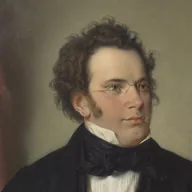 SchubertGretchen am Spinnrade, D 118; Op. 2SchubertErlkönig, D 328; Op. 1SchubertWinterreise, D. 911SchubertSymphony No. 5 in B-flat major, D 485SchubertPiano Sonata in A minor, D. 537SchubertPiano Sonata in A major, D. 664SchubertQuartettsatz in C minor, D. 703SchubertSymphony No. 8 in B minor, D 759SchubertWanderer Fantasy in C major, D 760; Op. 15SchubertPiano Sonata in A minor, D. 784
Path 10
A poem, a voice and a piano, later an orchestra: from Schubert's first masterpieces to Strauss's last songs.
Schubert → Schumann → Wagner → Mahler → Debussy → Fauré → Strauss
Reviews