Path 01
Start here
Ten well-known works to learn the map on, each open in full to everyone.
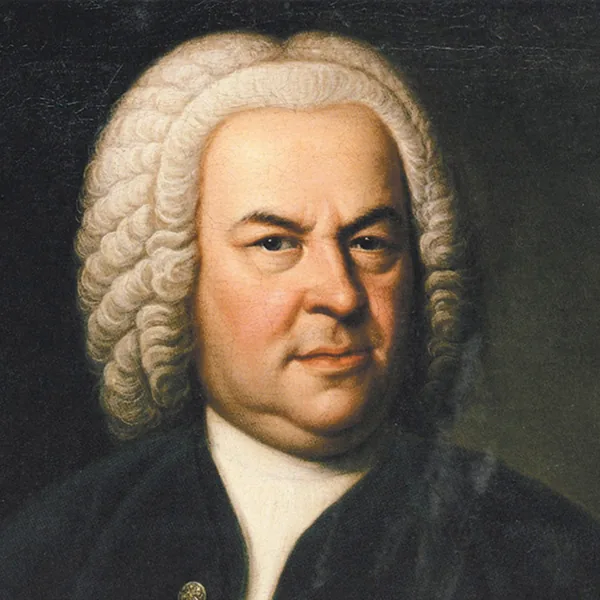
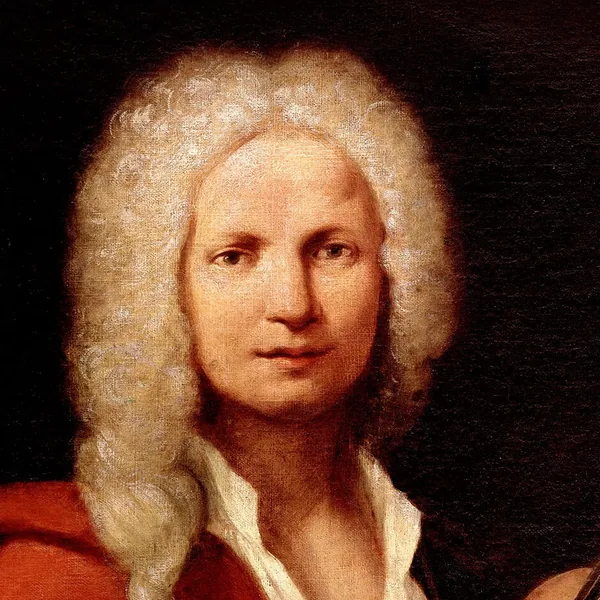
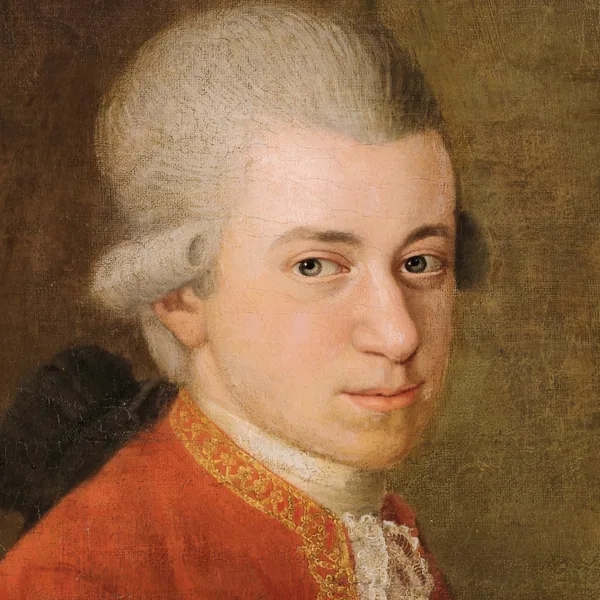
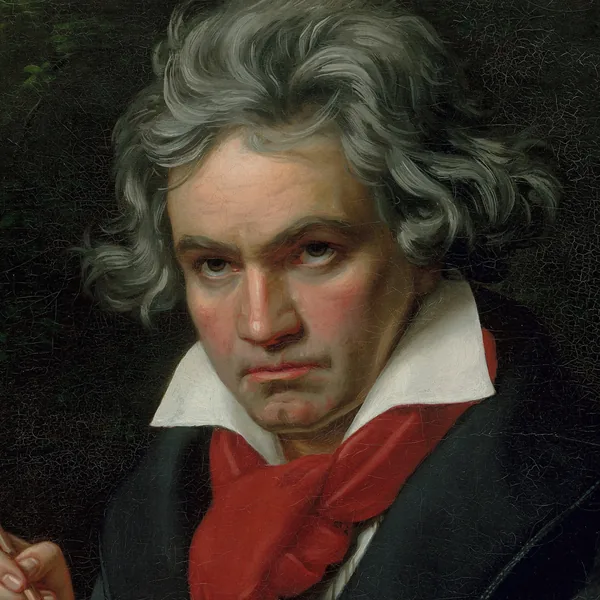
Pachelbel → Bach → Vivaldi → Mozart → Beethoven → Schubert → Chopin → Dvořák → Debussy
This guide follows Dvořák’s String Quartet No. 12 in F major, Op. 96 / B. 179 “American” (1893) in four parts: Allegro ma non troppo (sonata form), Lento, Molto vivace and Vivace ma non troppo.
Premium
Follow all 26 sections as they play
The viola begins alone with the main tune, built on a pentatonic scale, over a held F major chord from the others. A in A minor follows, with plucked cello below, and then a calmer in A major. The short works on pieces of the main tune and ends in a , where the voices enter one after another. The adds a new passage, and the ends quietly.
Section boundaries in music are not always sharp; a transition may be felt over a pause or a held chord.
 DvořákString Quartet No. 10 in E-flat major, Op. 51DvořákString Quartet No. 14 in A-flat major, Op. 105DvořákRomance for Violin and Orchestra in F minor, Op. 11 / B. 39DvořákSerenade for Winds in D minor, Op. 44DvořákMazurek for Violin and Piano in E minor, Op. 49 / B. 89DvořákViolin Concerto in A minor, Op. 53DvořákBallade for Violin and Piano in D minor, Op. 15, B. 139DvořákSymphony No. 7 in D minor, Op. 70, B. 141DvořákPiano Quintet No. 2 in A major, Op. 81DvořákSymphony No. 8 in G major, Op. 88
 BachTrio Sonata No. 1 in E-flat major, BWV 525
 HaydnSymphony No. 1 in D major, Hob. I:1HaydnHorn Concerto in D major, Hob. VIId:3HaydnPiano Sonata in A-flat major, Hob. XVI:46HaydnPiano Sonata in C minor, Hob. XVI:20HaydnString Quartet in A major, Op. 20 No. 6HaydnString Quartet in C major, Op. 20 No. 2HaydnString Quartet in D major, Op. 20 No. 4HaydnString Quartet in E-flat major, Op. 20 No. 1HaydnString Quartet in F minor, Op. 20 No. 5
Path 01
Ten well-known works to learn the map on, each open in full to everyone.
Pachelbel → Bach → Vivaldi → Mozart → Beethoven → Schubert → Chopin → Dvořák → Debussy
Path 05
Four players across almost two centuries: Haydn shapes the conversation, Bartók breaks it open, Shostakovich turns it inward.
Haydn → Mozart → Schubert → Beethoven → Dvořák → Debussy → Reger → Bartók → Shostakovich
Path 06
One work for each kind in the catalog, from the symphony to choral music.
Beethoven → Vivaldi → Debussy → Holst → Dvořák → Mozart → Chopin → Scarlatti → Bach → Schubert → Strauss → Handel
Reviews