Path 06
Fifteen kinds of work
One work for each kind in the catalog, from the symphony to choral music.
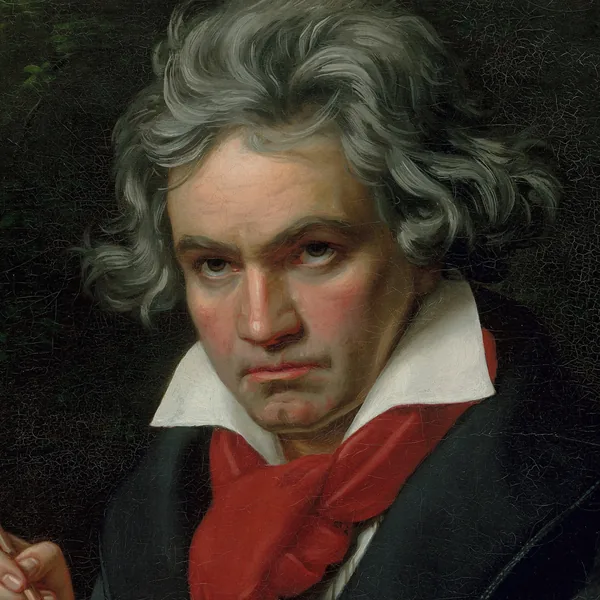
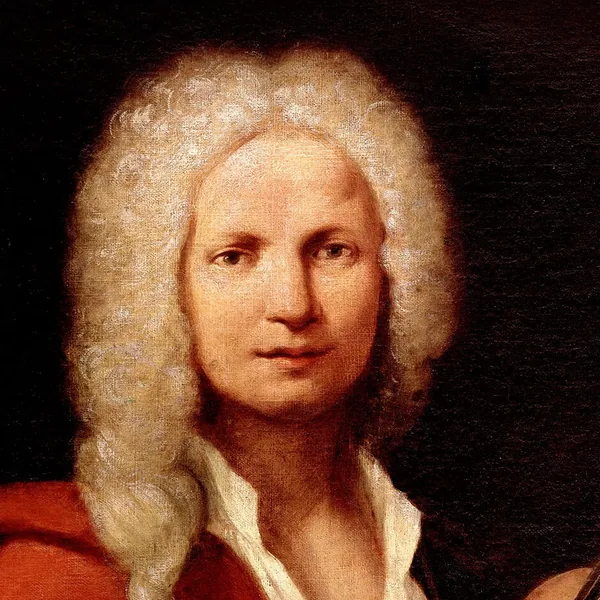
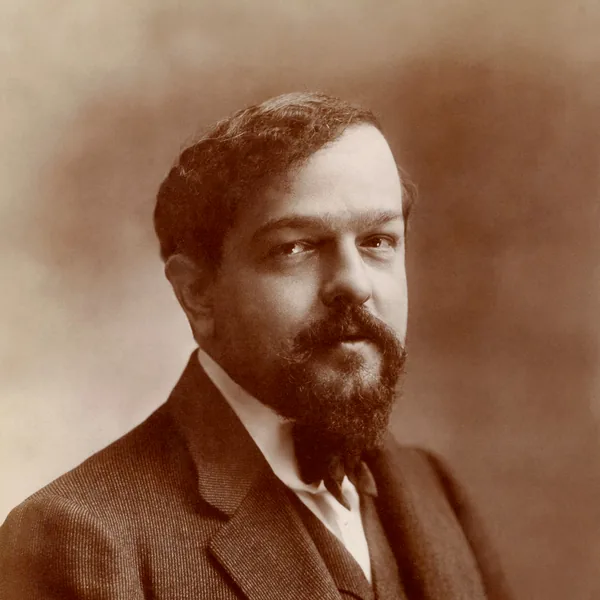
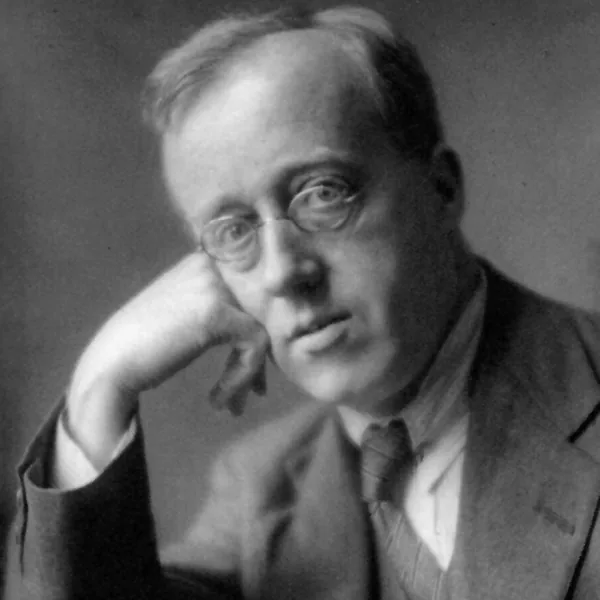
Beethoven → Vivaldi → Debussy → Holst → Dvořák → Mozart → Chopin → Scarlatti → Bach → Schubert → Strauss → Handel
This guide follows Debussy’s Syrinx, L. 129 (1913) in one part.
Premium
Follow all 3 sections as they play
Marked (very moderate). The first is the idea to remember: it recalls the flute at the start of Debussy's Prélude à l'après-midi d'un faune, and it comes back later in the piece. Then the B section turns to freer phrases that sound improvised. The (A′) brings the opening idea back once more, again with a new , and the piece stays mostly in the low of the flute.
Section boundaries in music are not always sharp; a transition may be felt over a pause or a held chord.
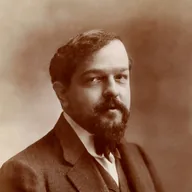 DebussyAriettes oubliées, L. 60DebussyRêverie, L. 68DebussyArabesque No. 1 in E major, CD 74/1; L. 66/1DebussyDeuxième Arabesque in G major, L. 66 No. 2DebussyFêtes galantes, première série, L. 80DebussyString Quartet in G minor, Op. 10, L. 85DebussyPrélude à l’après-midi d’un faune, L. 86DebussyTrois Nocturnes, L. 91DebussyPour le piano, L. 95DebussyEstampes, L. 100
Path 06
One work for each kind in the catalog, from the symphony to choral music.
Beethoven → Vivaldi → Debussy → Holst → Dvořák → Mozart → Chopin → Scarlatti → Bach → Schubert → Strauss → Handel
Reviews