Path 03
Calm classical music
Twelve slow, quiet pieces, from Chopin's lullaby to Pärt's Fratres.
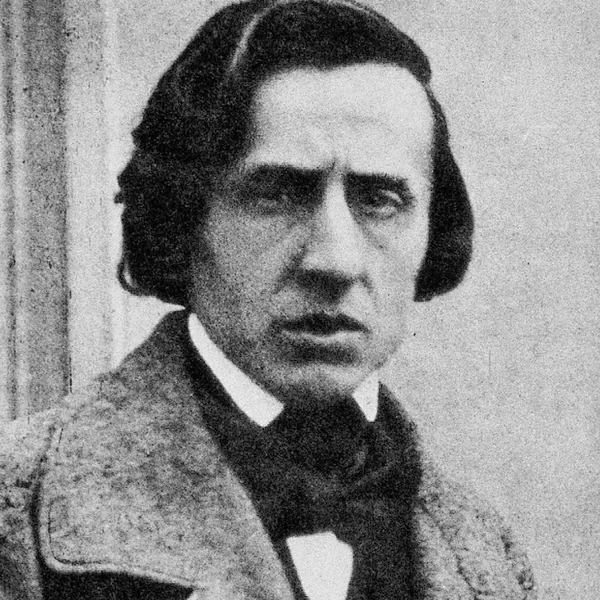
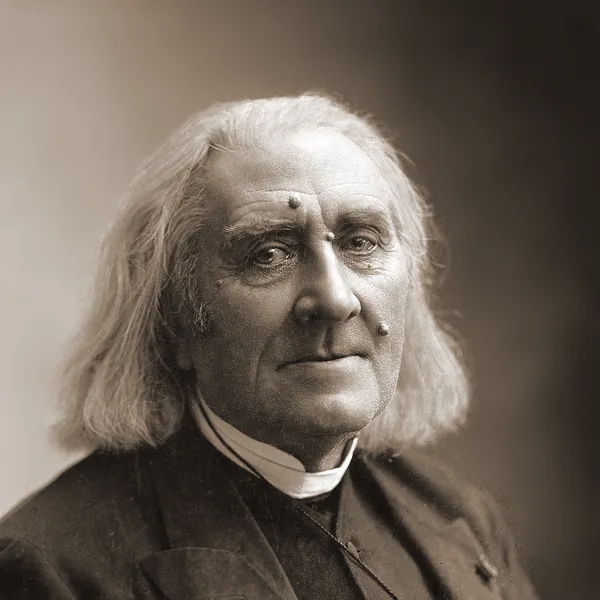
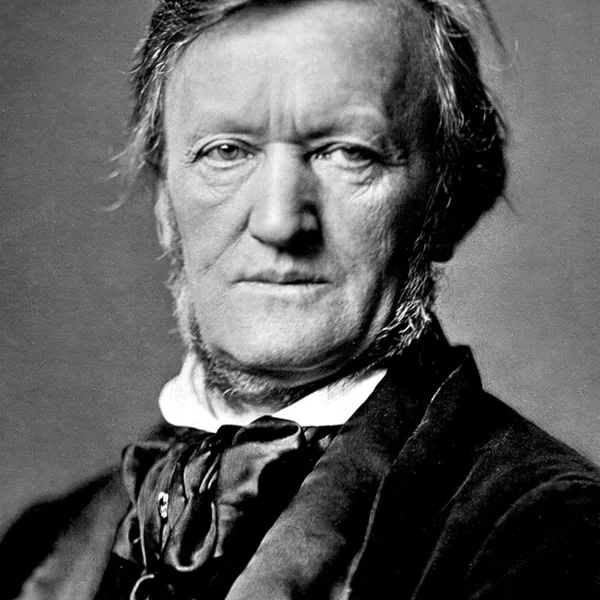
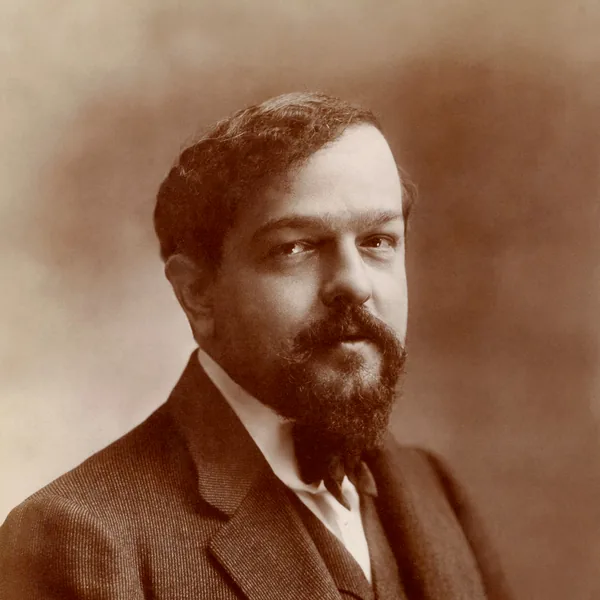
Chopin → Liszt → Wagner → Debussy → Massenet → Fauré → Grainger → Delius → Williams → Rachmaninoff → Pärt
This guide follows Debussy’s Rêverie, L. 68 (1890) in one part.
Premium
Follow all 3 sections as they play
The piece falls into three parts. A spins a gentle melody over a held B-flat in the bass, with syncopations that blur the beat. The central B section moves to E major, a contrast that one writer hears as Grieg and Borodin. Then A′ brings the back in the middle voice, surrounded by arpeggios in the outer parts.
Section boundaries in music are not always sharp; a transition may be felt over a pause or a held chord.
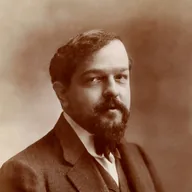 DebussyArabesque No. 1 in E major, CD 74/1; L. 66/1DebussyDeuxième Arabesque in G major, L. 66 No. 2DebussyPour le piano, L. 95DebussyEstampes, L. 100DebussyL’Isle joyeuse, L. 106DebussyImages, Book I, L. 110DebussySuite bergamasque, L. 75DebussyImages, Book II, L. 111DebussyChildren's Corner, L. 113DebussyPrélude I/1: Danseuses de Delphes, L. 117 No. 1
Path 03
Twelve slow, quiet pieces, from Chopin's lullaby to Pärt's Fratres.
Chopin → Liszt → Wagner → Debussy → Massenet → Fauré → Grainger → Delius → Williams → Rachmaninoff → Pärt
Reviews