Path 13
The art song, from Schubert to Strauss
A poem, a voice and a piano, later an orchestra: from Schubert's first masterpieces to Strauss's last songs.
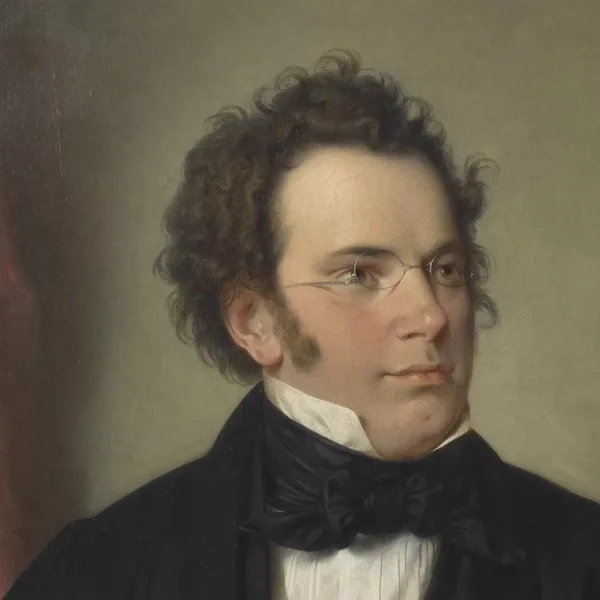
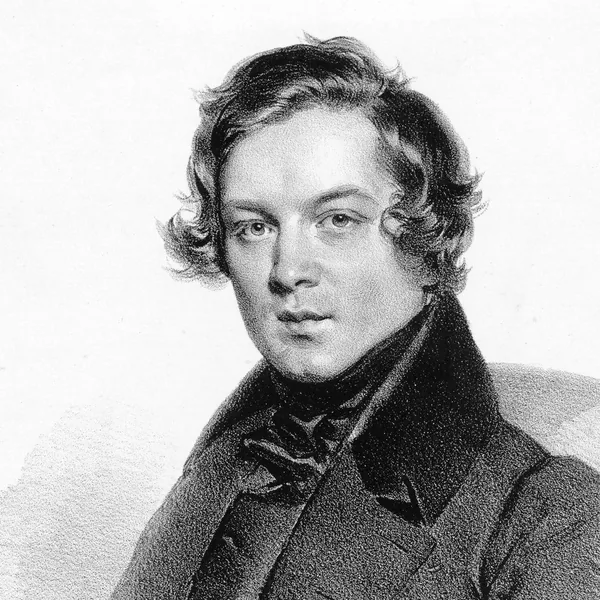
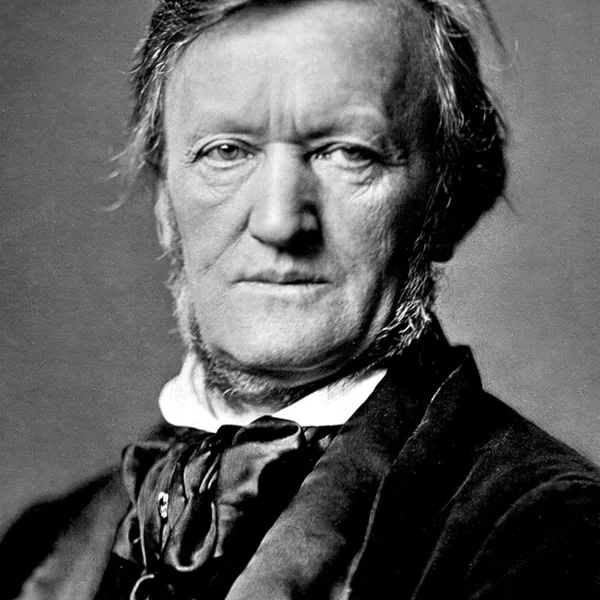
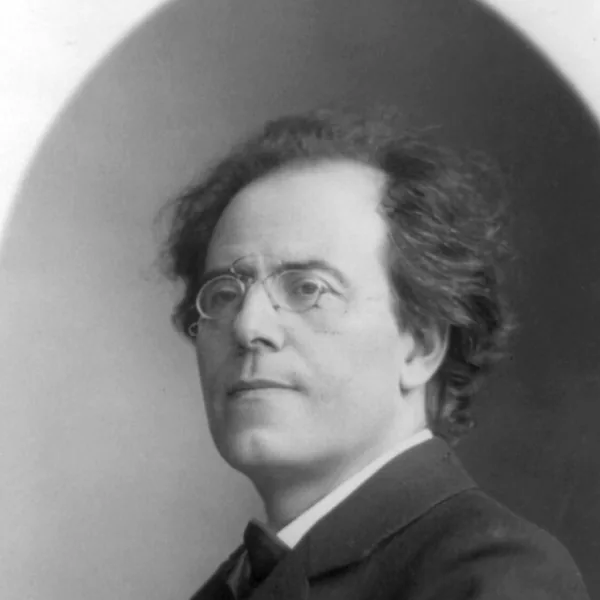
Schubert → Schumann → Wagner → Mahler → Debussy → Fauré → Strauss
This guide follows Debussy’s Ariettes oubliées, L. 60 (1887) in six parts: C’est l’extase langoureuse, Il pleure dans mon cœur, L’ombre des arbres, Chevaux de bois, Green and Spleen.
Premium
Follow all 45 sections as they play
A song about the weariness of love, with a printed epigraph that mentions the wind holding its breath. The piano lasts two . The voice then sings two paired phrases (Part 1 and Part 2), heard again, before a third . Listen to the sustained chords in the accompaniment, which sink downward and swell and fade. The piano gets the last word in a .
Section boundaries in music are not always sharp; a transition may be felt over a pause or a held chord.
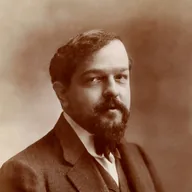 DebussyFêtes galantes, première série, L. 80DebussyRêverie, L. 68DebussyArabesque No. 1 in E major, CD 74/1; L. 66/1DebussyDeuxième Arabesque in G major, L. 66 No. 2DebussyString Quartet in G minor, Op. 10, L. 85DebussyPrélude à l’après-midi d’un faune, L. 86DebussyTrois Nocturnes, L. 91DebussyPour le piano, L. 95DebussyEstampes, L. 100DebussyDanse sacrée et danse profane, L. 103
Path 13
A poem, a voice and a piano, later an orchestra: from Schubert's first masterpieces to Strauss's last songs.
Schubert → Schumann → Wagner → Mahler → Debussy → Fauré → Strauss
Reviews