Path 01
Start here
Ten well-known works to learn the map on, each open in full to everyone.
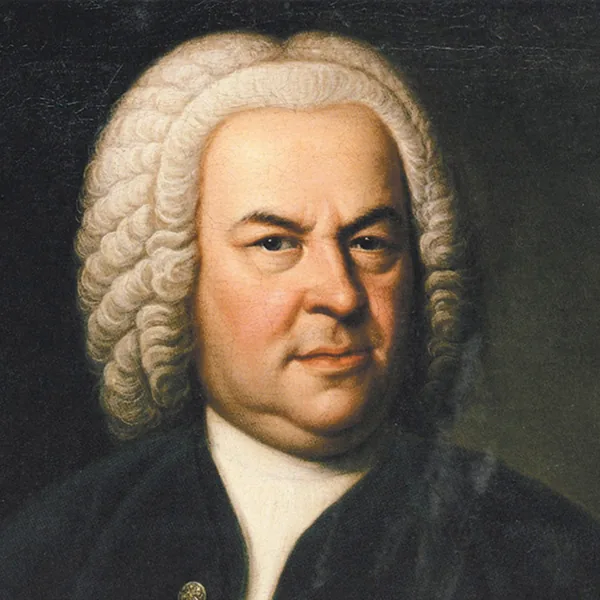
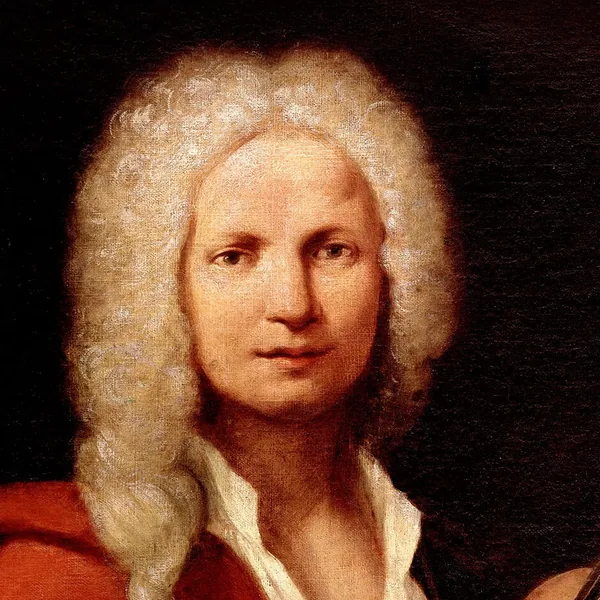
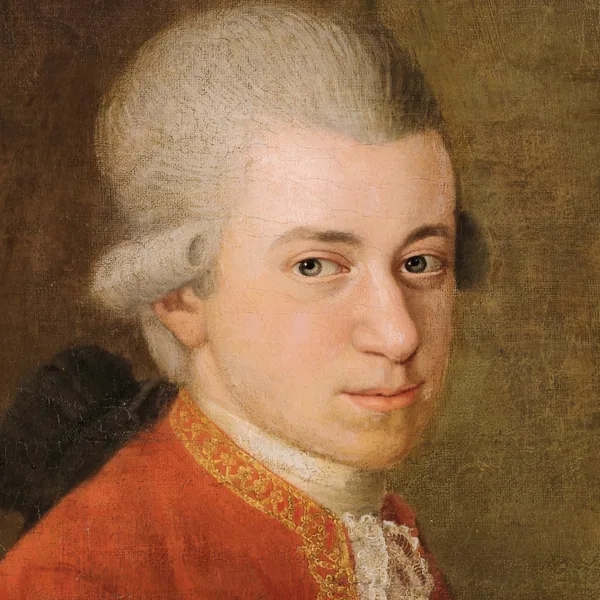
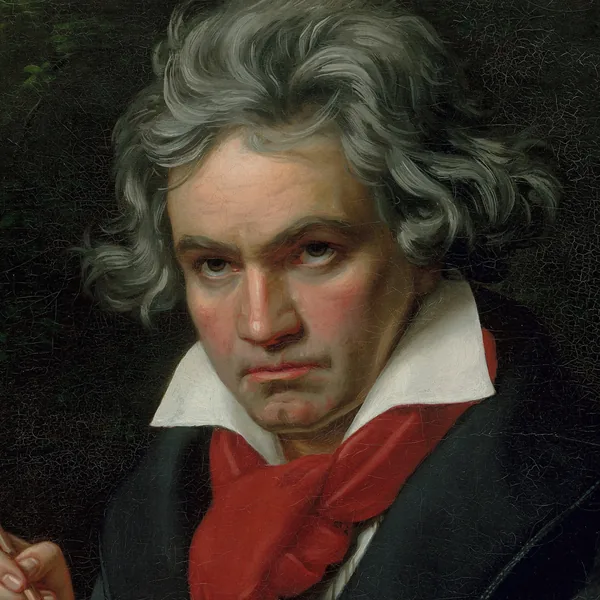
Pachelbel → Bach → Vivaldi → Mozart → Beethoven → Schubert → Chopin → Dvořák → Debussy
This guide follows Debussy’s Prélude à l’après-midi d’un faune, L. 86 (1894) in one part.
Premium
Follow all 8 sections as they play
The flute opens the piece, and the woodwinds then take up the , with the metre shifting among 9/8, 6/8 and 12/8. In the whole-tone (a scale of whole steps only) the harmony loosens, and then the oboe brings a new tune in 3/4. The big D-flat major melody (B) begins exactly halfway. The (A′) and is restated twice more. The settles into a very slow, held-back E major .
Section boundaries in music are not always sharp; a transition may be felt over a pause or a held chord.
 DebussyTrois Nocturnes, L. 91DebussyLa mer, L. 109DebussyAriettes oubliées, L. 60DebussyRêverie, L. 68DebussyArabesque No. 1 in E major, CD 74/1; L. 66/1DebussyDeuxième Arabesque in G major, L. 66 No. 2DebussyFêtes galantes, première série, L. 80DebussyString Quartet in G minor, Op. 10, L. 85DebussyPour le piano, L. 95DebussyEstampes, L. 100
Path 01
Ten well-known works to learn the map on, each open in full to everyone.
Pachelbel → Bach → Vivaldi → Mozart → Beethoven → Schubert → Chopin → Dvořák → Debussy
Path 06
One work for each kind in the catalog, from the symphony to choral music.
Beethoven → Vivaldi → Debussy → Holst → Dvořák → Mozart → Chopin → Scarlatti → Bach → Schubert → Strauss → Handel
Path 12
Fauré, Satie, Debussy, Dukas and Ravel, from 1887 to 1920.
Fauré → Satie → Debussy → Dukas → Ravel
Reviews