Path 15
Paris around 1900
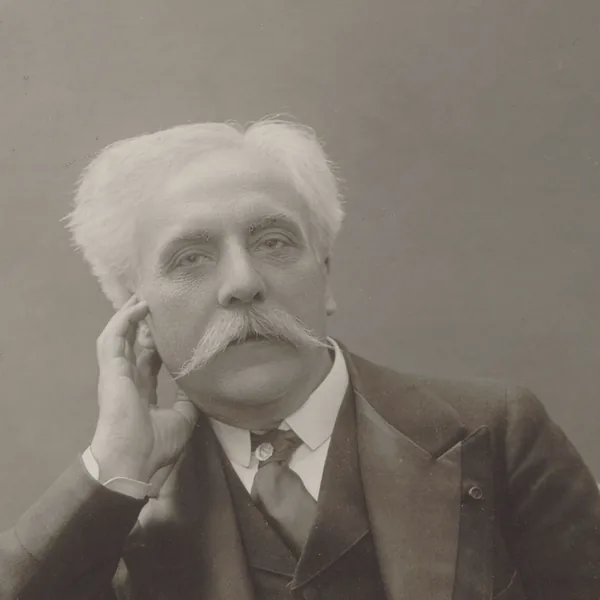
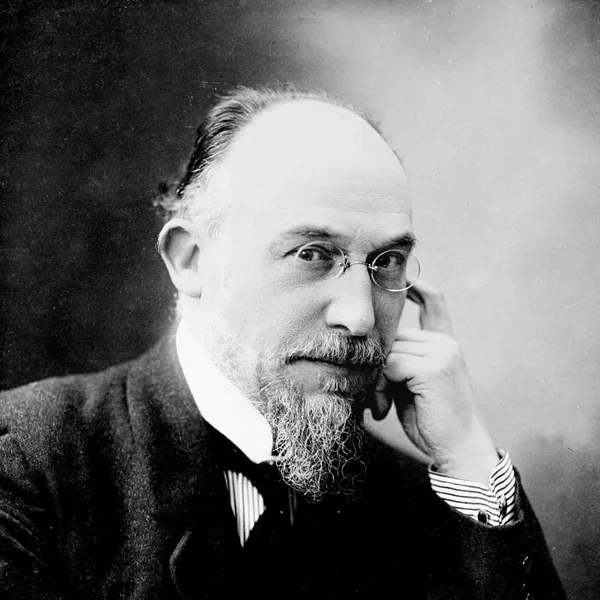
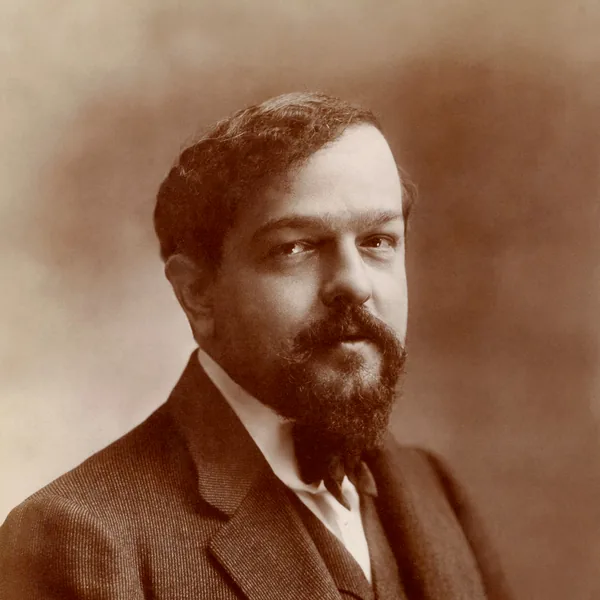
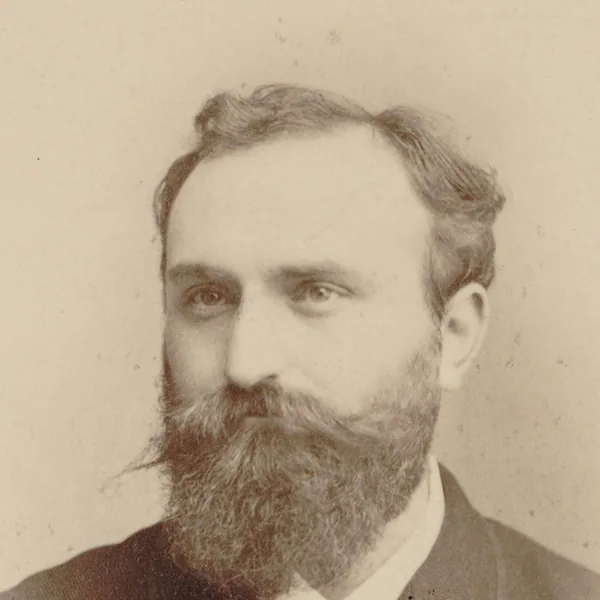
Fauré, Satie, Debussy, Chausson, Dukas and Ravel, from 1887 to 1920.
Fauré → Satie → Debussy → Chausson → Dukas → Ravel
This guide follows Debussy’s La mer, L. 109 (1905) in three parts: De l’aube à midi sur la mer, Jeux de vagues and Dialogue du vent et de la mer.
Premium
Follow all 21 sections as they play
Very slow and very quiet at first, in B minor, the music wakes like the sea at dawn. Listen for the abrupt two-note rhythm in the cellos and for the rising-and-falling melody that muted trumpet and English horn give out early, which comes back in the . The wave-like phrases grow clearer through Section 1 (“Moderate, without slowness”) and Section 2 (“A little more animated”), and a striking passage for sixteen cellos stands out. A brass marks the arrival of midday, and the releases the full orchestra, with a swell of cymbals.
Section boundaries in music are not always sharp; a transition may be felt over a pause or a held chord.
 DebussyPrélude à l’après-midi d’un faune, L. 86DebussyTrois Nocturnes, L. 91DebussyAriettes oubliées, L. 60DebussyRêverie, L. 68DebussyArabesque No. 1 in E major, CD 74/1; L. 66/1DebussyDeuxième Arabesque in G major, L. 66 No. 2DebussyFêtes galantes, première série, L. 80DebussyString Quartet in G minor, Op. 10, L. 85DebussyPour le piano, L. 95DebussyEstampes, L. 100
Path 15
Fauré, Satie, Debussy, Chausson, Dukas and Ravel, from 1887 to 1920.
Fauré → Satie → Debussy → Chausson → Dukas → Ravel
Reviews