Path 01
Start here
Ten well-known works to learn the map on, each open in full to everyone.
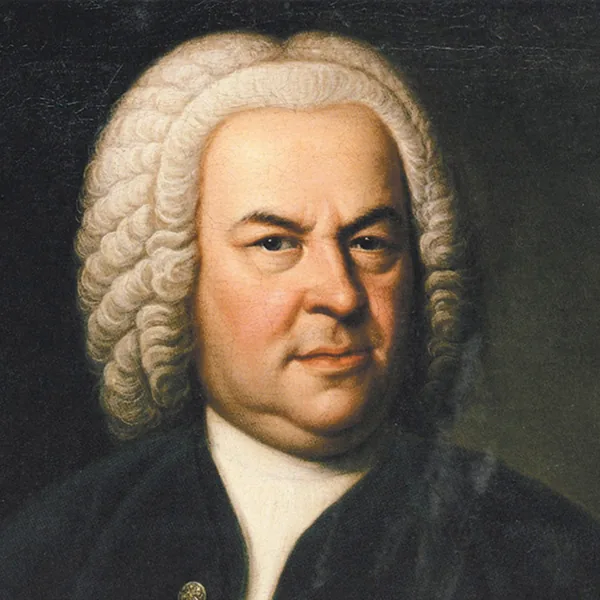
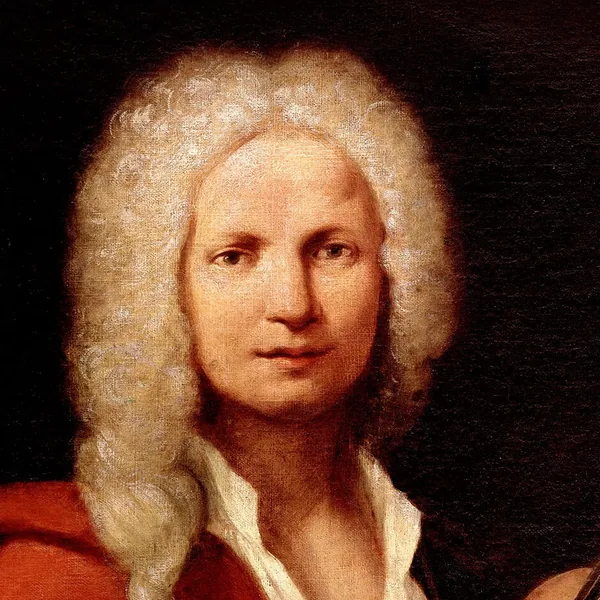
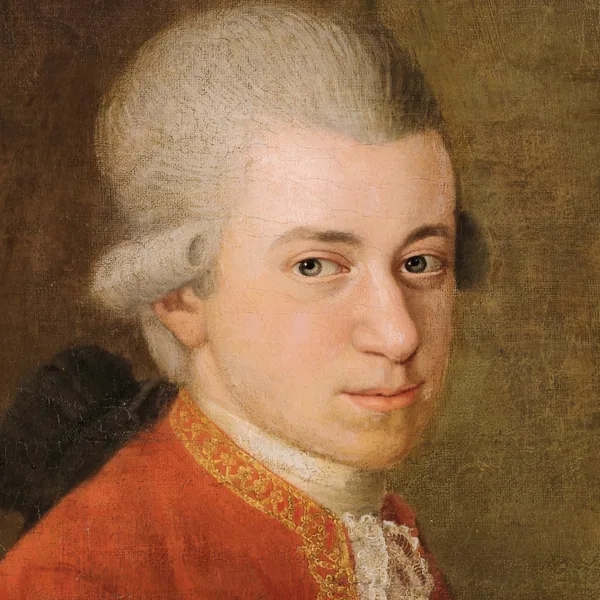
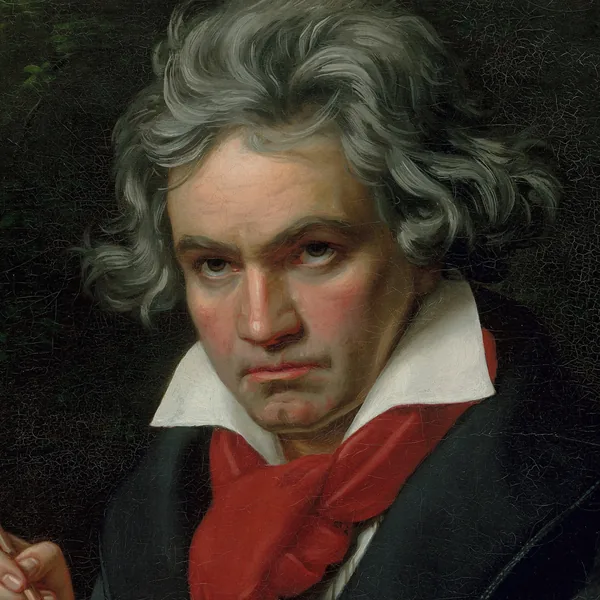
Pachelbel → Bach → Vivaldi → Mozart → Beethoven → Schubert → Chopin → Dvořák → Debussy
This guide follows Chopin’s Nocturne in E-flat major, Op. 9 No. 2 (1831) in one part.
Premium
Follow all 6 sections as they play
A calm melody with graceful leaps (A) floats over a swaying left hand in 12/8. Every is four long, which makes the piece easy to follow. A contrasting (B) enters, and the melody (A) with extra . The contrasting (B) is heard again, and the opening comes back once more (A), with still more trills and decoration. Last comes the , which includes a marked senza .
Section boundaries in music are not always sharp; a transition may be felt over a pause or a held chord.
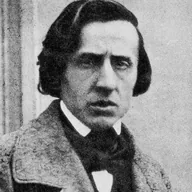 ChopinRondo à la mazur, Op. 5ChopinMazurka in A minor, Op. 68 No. 2ChopinNocturne in E minor, Op. 72 No. 1ChopinVariations on 'La ci darem la mano', Op. 2ChopinEtude in A-flat major, Op. 10 No. 10ChopinEtude in F major, Op. 10 No. 8ChopinWaltz in B minor, Op. 69 No. 2ChopinEtude in A minor, Op. 10 No. 2ChopinEtude in C major, Op. 10 No. 1ChopinEtude in E-flat minor, Op. 10 No. 6
Path 01
Ten well-known works to learn the map on, each open in full to everyone.
Pachelbel → Bach → Vivaldi → Mozart → Beethoven → Schubert → Chopin → Dvořák → Debussy
Path 06
One work for each kind in the catalog, from the symphony to choral music.
Beethoven → Vivaldi → Debussy → Holst → Dvořák → Mozart → Chopin → Scarlatti → Bach → Schubert → Strauss → Handel
Reviews