Path 11
Variations and fugue
Two ways of making much from little: a theme changed again and again, and a subject passed from voice to voice.
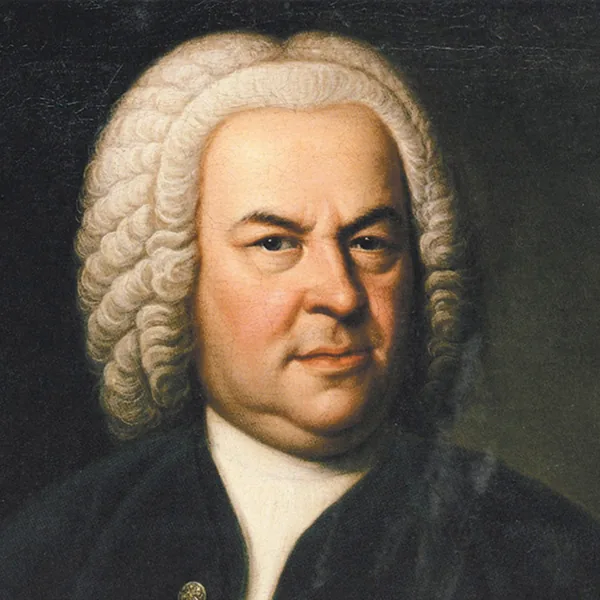
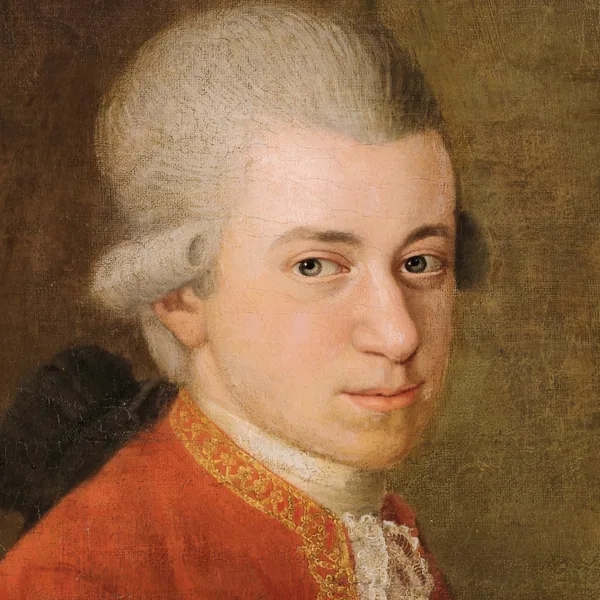
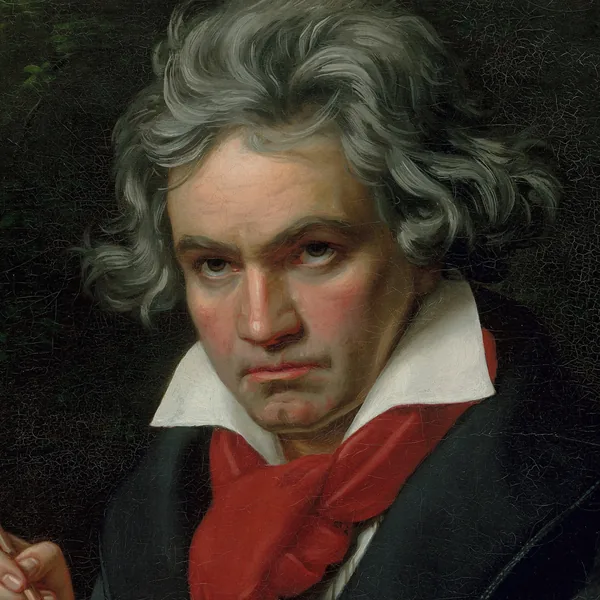
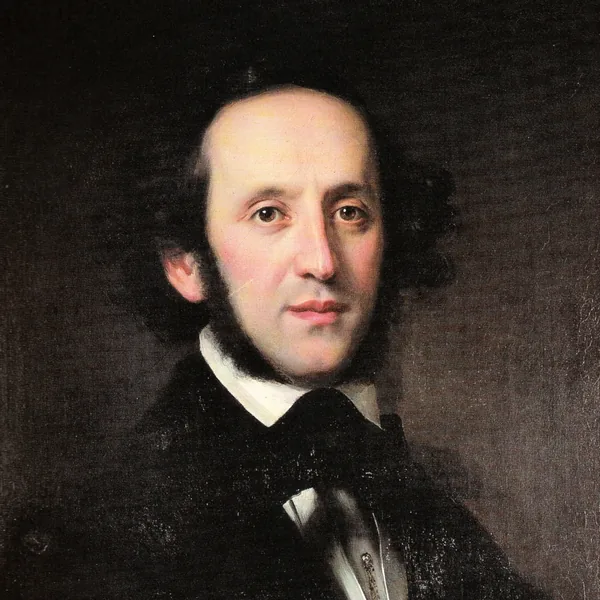
Bach → Mozart → Beethoven → Mendelssohn → Brahms → Elgar
This guide follows Brahms’s Variations on a Theme of Haydn for orchestra, Op. 56a (1873) in one part (theme and variations).
Premium
Follow all 11 sections as they play
The is stated in full at the start, in B-flat major, with orchestration to the original wind version. Eight variations follow. Each keeps the 's phrasing but changes speed and colour. 4 is in B-flat minor, with the melody doubled by oboe and horn. 7 is a gentle , and 8 a hushed, furtive . A follows, and it closes with its own .
Section boundaries in music are not always sharp; a transition may be felt over a pause or a held chord.
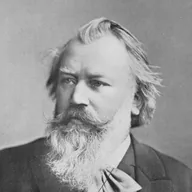 BrahmsSerenade No. 1 in D major, Op. 11BrahmsAcademic Festival Overture, Op. 80BrahmsTragic Overture, Op. 81BrahmsScherzo in E-flat minor for piano, Op. 4BrahmsF-A-E Sonata: Scherzo in C minor, WoO 2BrahmsPiano Sonata No. 1 in C major, Op. 1BrahmsPiano Sonata No. 3 in F minor, Op. 5BrahmsFour Ballades for piano, No. 1, Op. 10 No. 1BrahmsFour Ballades for piano, No. 2, Op. 10 No. 2BrahmsFour Ballades for piano, No. 3: Intermezzo, Op. 10 No. 3
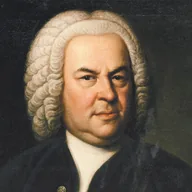 BachPassacaglia and Fugue in C minor, BWV 582Free
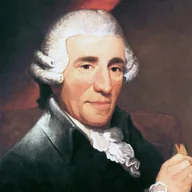 HaydnString Quartet in D major, Op. 20 No. 4HaydnString Quartet in E-flat major, Op. 33 No. 2HaydnString Quartet in G major, Op. 33 No. 5HaydnSymphony No. 81 in G major, Hob. I:81HaydnSymphony No. 82 in C major, Hob. I:82HaydnSymphony No. 88 in G major, Hob. I:88HaydnPiano Sonata in C major, Hob. XVI:48HaydnPiano Sonata in E-flat major, Hob. XVI:49HaydnSymphony No. 94 in G major, Hob. I:94
Path 11
Two ways of making much from little: a theme changed again and again, and a subject passed from voice to voice.
Bach → Mozart → Beethoven → Mendelssohn → Brahms → Elgar
Reviews