Path 15
Paris around 1900
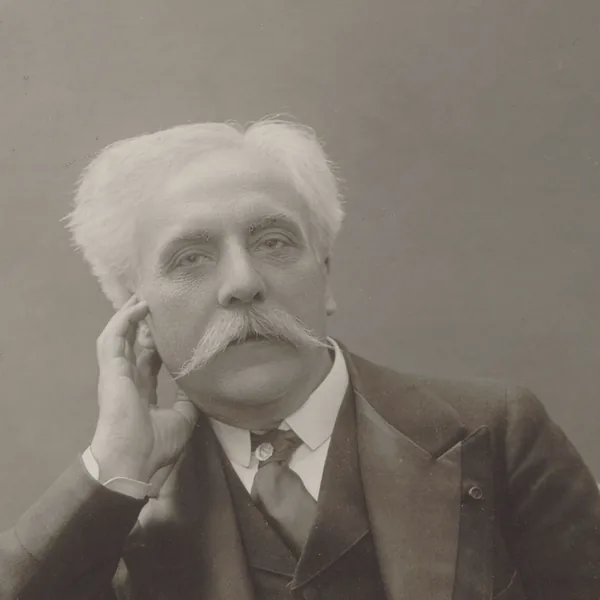
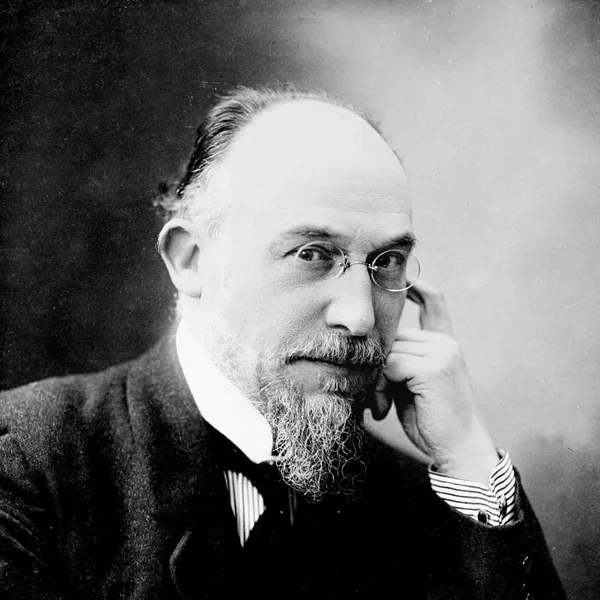
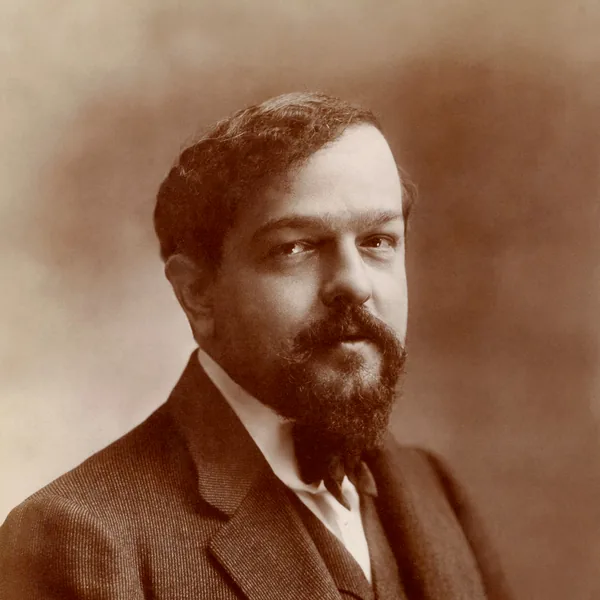
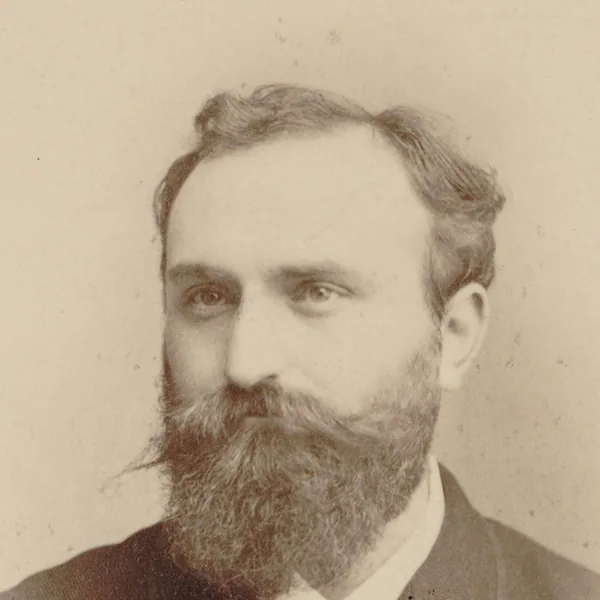
Fauré, Satie, Debussy, Chausson, Dukas and Ravel, from 1887 to 1920.
Fauré → Satie → Debussy → Chausson → Dukas → Ravel
This guide follows Ravel’s La valse, M. 72 (1920) in one part.
Premium
Follow all 7 sections as they play
The piece opens in a low murmur (the ), where the is hidden in mist. Then of melody begin to into a of . The proper follows: a chain of , loud and soft, tender, pompous and restless in turn. Then the brings back the earlier melodies, altered by unexpected modulations and a macabre colouring. A backward glance, a final drive and a gesture end the with a hard duple rhythm.
Section boundaries in music are not always sharp; a transition may be felt over a pause or a held chord.
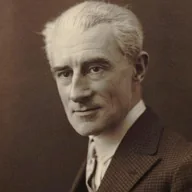 RavelMenuet antique, M. 7RavelPavane pour une infante défunte, M. 19RavelJeux d'eau, M. 30RavelMiroirs, M. 43RavelGaspard de la nuit, M. 55RavelValses nobles et sentimentales, M. 61RavelLe Tombeau de Couperin, M. 68RavelShéhérazade (song cycle), M. 41RavelString Quartet in F major, M. 35RavelIntroduction and Allegro, M. 46
Path 15
Fauré, Satie, Debussy, Chausson, Dukas and Ravel, from 1887 to 1920.
Fauré → Satie → Debussy → Chausson → Dukas → Ravel
Reviews