Path 12
Paris around 1900
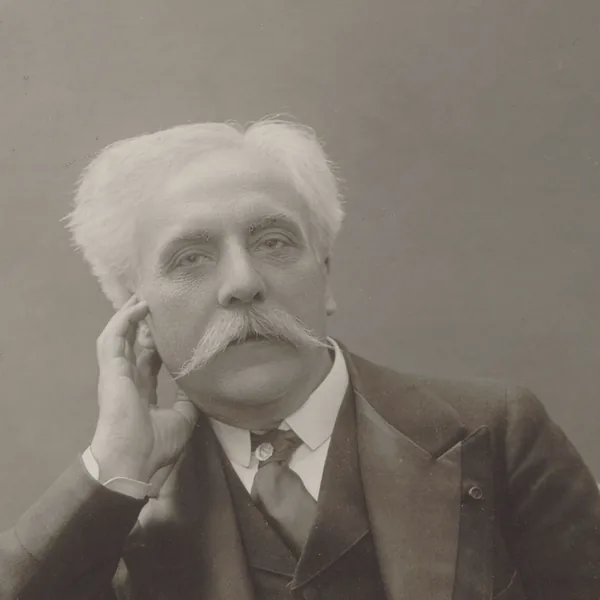
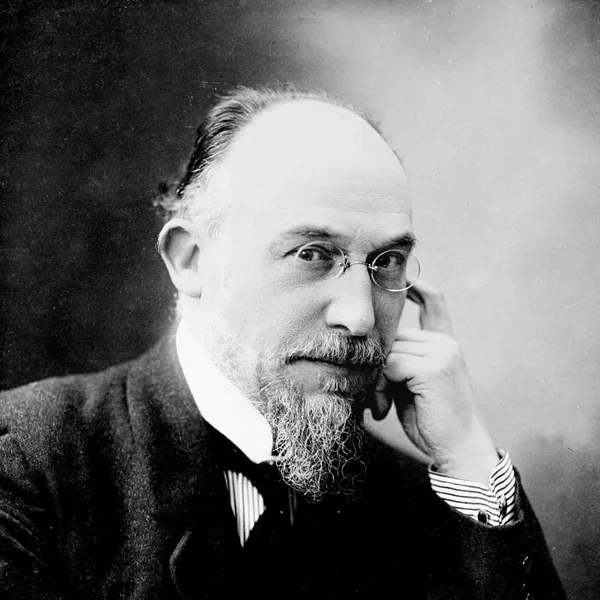
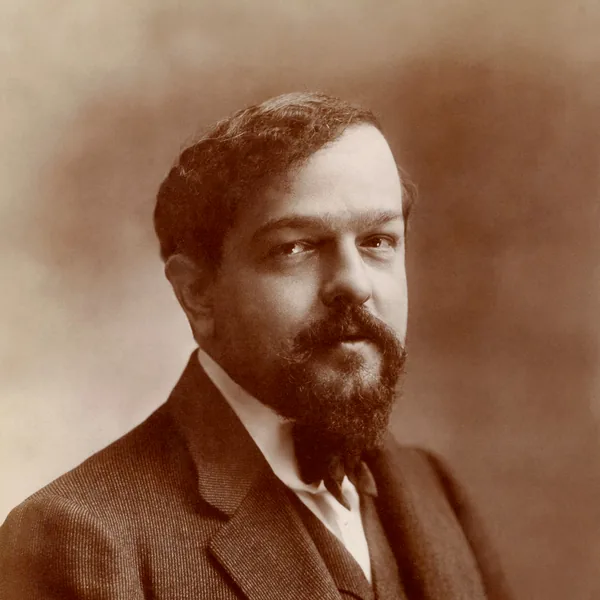
Fauré, Satie, Debussy, Dukas and Ravel, from 1887 to 1920.
Fauré → Satie → Debussy → Dukas → Ravel
This guide follows Ravel’s Le Tombeau de Couperin, M. 68 (1917) in six parts: Prélude (Vif) (sonata form), Fugue (Allegro moderato) (fugue), Forlane (Allegretto), Rigaudon (Assez vif), Menuet (Allegro moderato) (minuet and trio) and Toccata (Vif) (sonata form).
Premium
Follow all 46 sections as they play
A continuous stream of quick notes in 12/16, in E minor, marked (lively), with dynamics between and . The first and the are linked by a , and the first briefly at the end of the . Then the starts. In the the comes back first, then the and the first . A ends the piece. In the orchestral version the oboe carries the melody.
Section boundaries in music are not always sharp; a transition may be felt over a pause or a held chord.
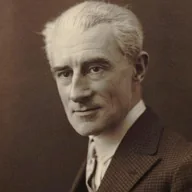 RavelMenuet antique, M. 7RavelPavane pour une infante défunte, M. 19RavelJeux d'eau, M. 30RavelMiroirs, M. 43RavelGaspard de la nuit, M. 55RavelValses nobles et sentimentales, M. 61RavelLa valse, M. 72RavelShéhérazade (song cycle), M. 41RavelString Quartet in F major, M. 35RavelIntroduction and Allegro, M. 46
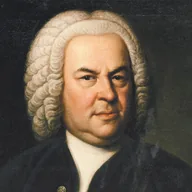 BachTrio Sonata No. 1 in E-flat major, BWV 525
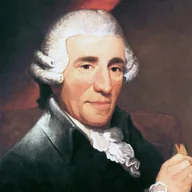 HaydnSymphony No. 1 in D major, Hob. I:1HaydnHorn Concerto in D major, Hob. VIId:3HaydnPiano Sonata in A-flat major, Hob. XVI:46HaydnPiano Sonata in C minor, Hob. XVI:20HaydnString Quartet in A major, Op. 20 No. 6HaydnString Quartet in C major, Op. 20 No. 2HaydnString Quartet in D major, Op. 20 No. 4HaydnString Quartet in E-flat major, Op. 20 No. 1HaydnString Quartet in F minor, Op. 20 No. 5
Path 12
Fauré, Satie, Debussy, Dukas and Ravel, from 1887 to 1920.
Fauré → Satie → Debussy → Dukas → Ravel
Reviews