Path 11
Variations and fugue
Two ways of making much from little: a theme changed again and again, and a subject passed from voice to voice.
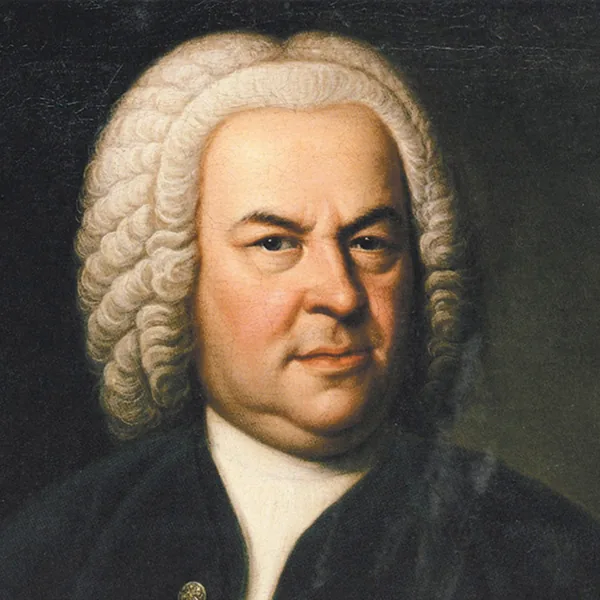
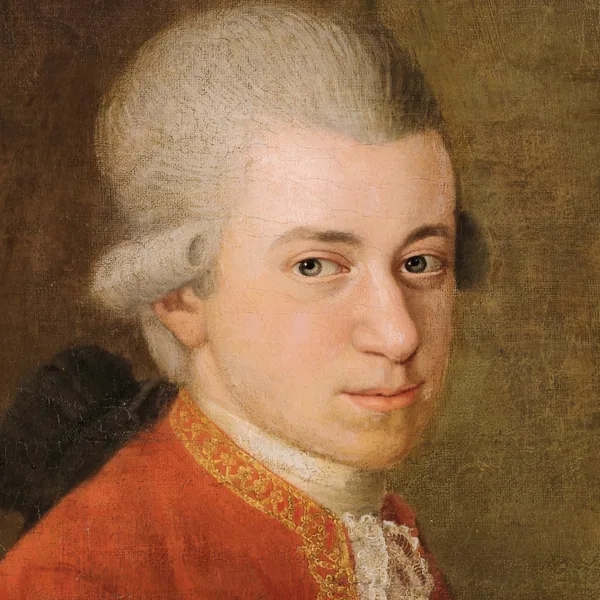
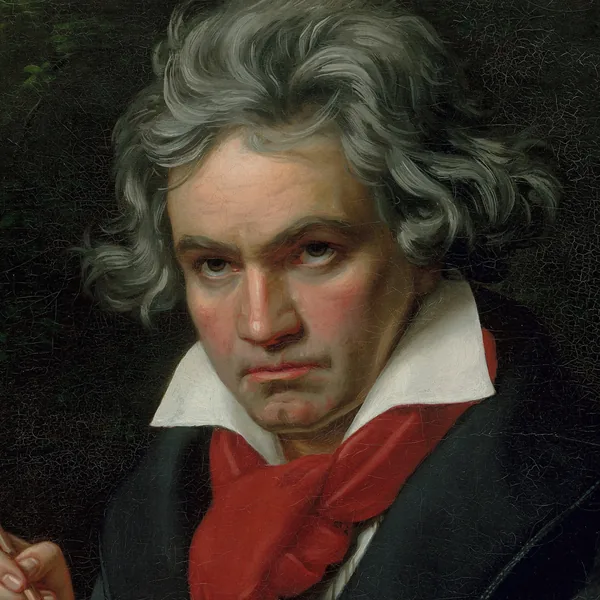
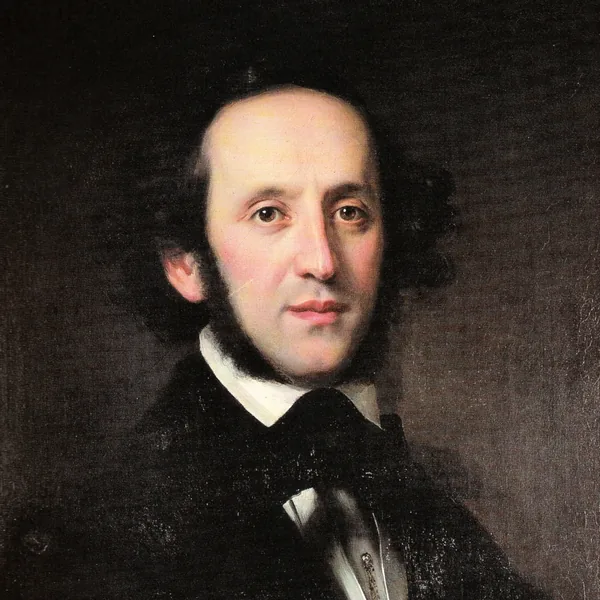
Bach → Mozart → Beethoven → Mendelssohn → Brahms → Elgar
This guide follows Bach’s The Art of Fugue, BWV 1080: Contrapunctus 1-4 (1746) in four parts: Contrapunctus 1 (fugue), Contrapunctus 2 (fugue), Contrapunctus 3 (fugue) and Contrapunctus 4 (fugue).
Premium
Follow all 42 sections as they play
A four-voice fugue on the plain , which opens in long notes with a leap from D up to A. In the the voices enter one at a : the alto first, then the soprano, the bass and the tenor, alternately on D and A. Episodes, the passages between of the , come four times. Four Developments, alternating with them, bring the back in new keys, often moving between D minor and A minor.
Section boundaries in music are not always sharp; a transition may be felt over a pause or a held chord.
 BachChromatic Fantasia and Fugue in D minor, BWV 903BachThe Well-Tempered Clavier, Book I, BWV 846-869BachSinfonia No. 1 in C major, BWV 787BachSinfonia No. 3 in D major, BWV 789BachSinfonia No. 6 in E major, BWV 792BachSinfonia No. 7 in E minor, BWV 793BachSinfonia No. 8 in F major, BWV 794BachSinfonia No. 13 in A minor, BWV 799BachSinfonia No. 14 in B♭ major, BWV 800BachSinfonia No. 15 in B minor, BWV 801BachToccata and Fugue in D minor, BWV 565BachPassacaglia and Fugue in C minor, BWV 582FreeBachFantasia and Fugue in C minor, BWV 537BachBrandenburg Concerto No. 2 in F major, BWV 1047BachBrandenburg Concerto No. 4 in G major, BWV 1049BachPrelude and Fugue No. 1 in C major (WTC II), BWV 870BachPrelude and Fugue in B minor, BWV 544BachFugue in C minor (WTC 2 No. 2), BWV 871BachFugue in E minor (WTC 2 No. 10), BWV 879BachFugue in G major (WTC 2 No. 15), BWV 884
Path 11
Two ways of making much from little: a theme changed again and again, and a subject passed from voice to voice.
Bach → Mozart → Beethoven → Mendelssohn → Brahms → Elgar
Reviews