Path 13
Russian voices
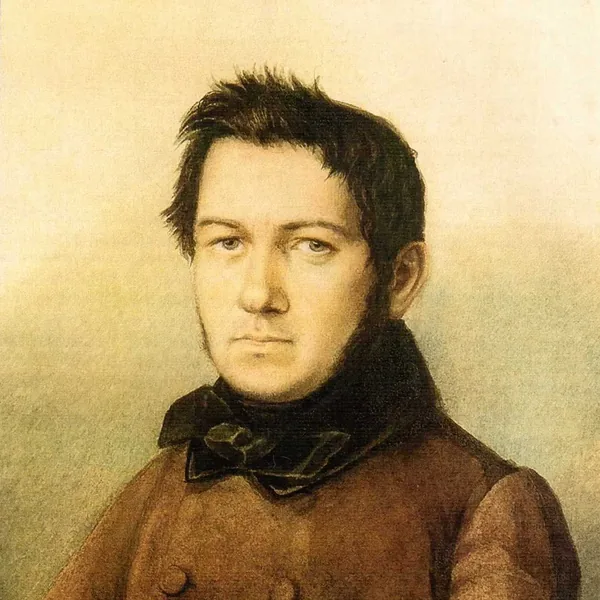
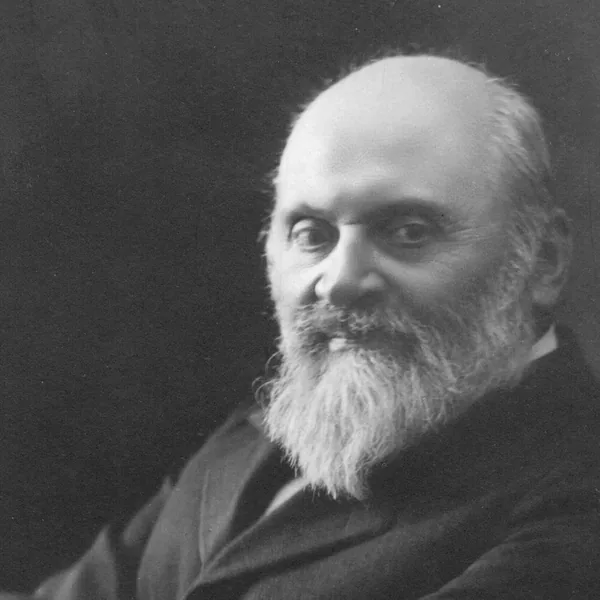
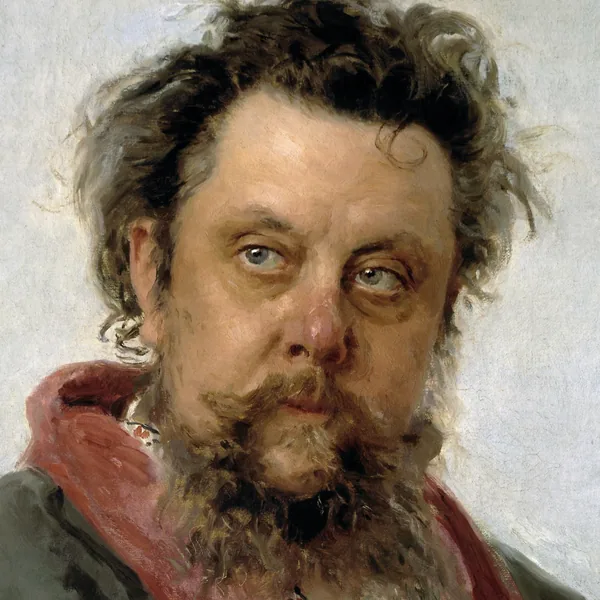
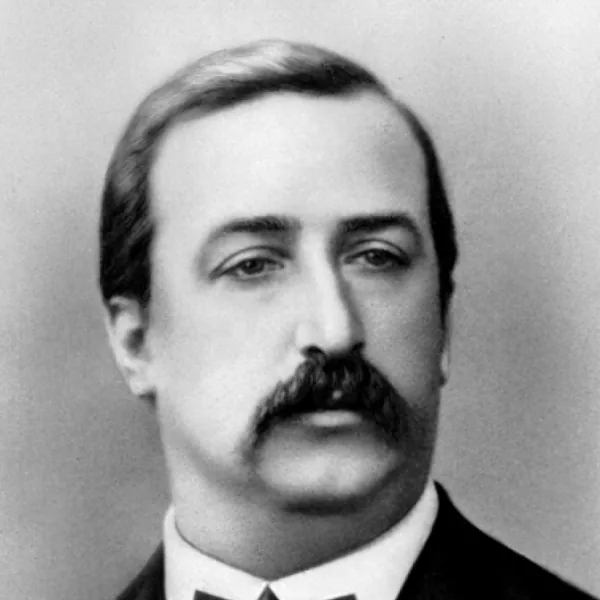
From Glinka to Shostakovich: a century of Russian music, in the order it was written.
Glinka → Balakirev → Mussorgsky → Borodin → Rimsky-Korsakov → Tchaikovsky → Rachmaninoff → Scriabin → Prokofiev → Shostakovich
This guide follows Borodin’s Symphony No. 2 in B minor (1876) in four parts: Allegro moderato (sonata form), Scherzo: Prestissimo – Allegretto – Tempo I (minuet and trio), Andante and Finale: Allegro (sonata form).
Premium
Follow all 39 sections as they play
The alternates major and minor thirds above the , B minor, and that idea shapes the whole symphony. The lyrical is in D major. Then come the and the . The brings the back, and the in E-flat, so the plan passes through E-flat and C instead of going straight home.
Section boundaries in music are not always sharp; a transition may be felt over a pause or a held chord.
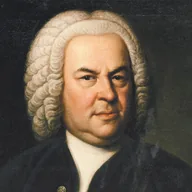 BachTrio Sonata No. 1 in E-flat major, BWV 525
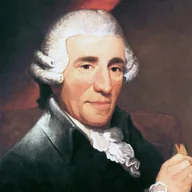 HaydnSymphony No. 1 in D major, Hob. I:1HaydnHorn Concerto in D major, Hob. VIId:3HaydnPiano Sonata in A-flat major, Hob. XVI:46HaydnPiano Sonata in C minor, Hob. XVI:20HaydnString Quartet in A major, Op. 20 No. 6HaydnString Quartet in C major, Op. 20 No. 2HaydnString Quartet in D major, Op. 20 No. 4HaydnString Quartet in E-flat major, Op. 20 No. 1HaydnString Quartet in F minor, Op. 20 No. 5
Path 13
From Glinka to Shostakovich: a century of Russian music, in the order it was written.
Glinka → Balakirev → Mussorgsky → Borodin → Rimsky-Korsakov → Tchaikovsky → Rachmaninoff → Scriabin → Prokofiev → Shostakovich
Reviews